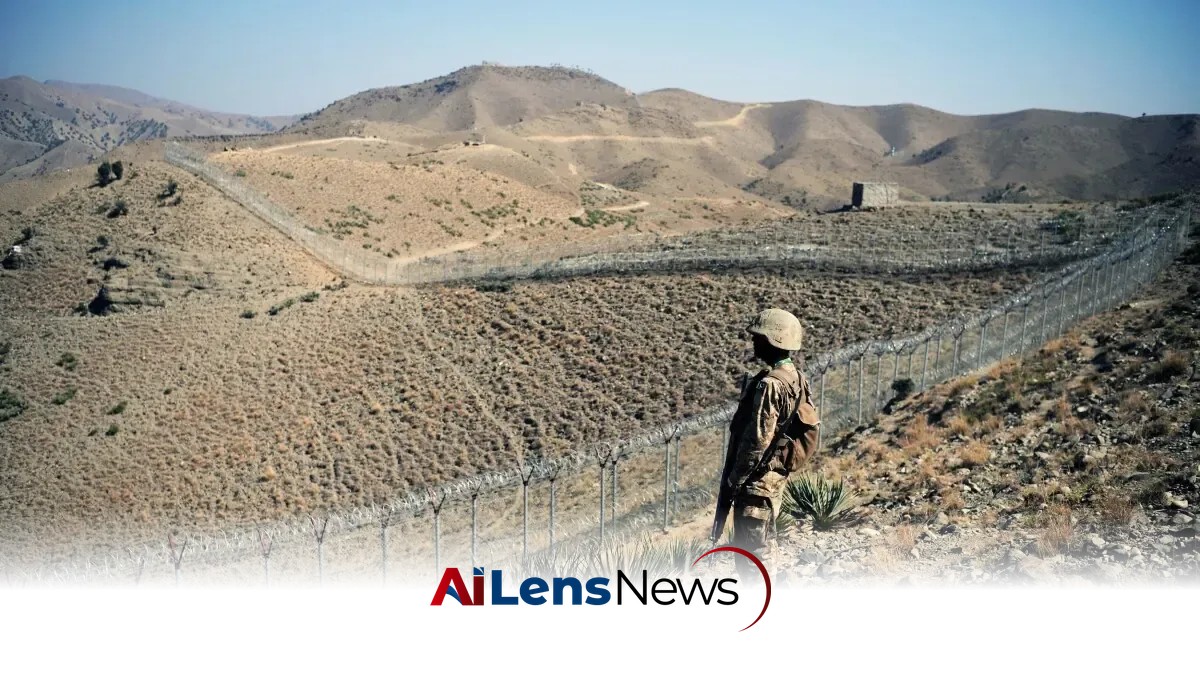


In a decisive response to unprovoked Taliban fire, Pakistani security forces launched a counter-offensive at the Kurram border, maintaining control and forcing the Taliban to retreat.
Islamabad, Pakistan Jul 19, 2026 ALN: Security forces launched an effective and full-scale retaliatory response to unprovoked firing by the Afghan Taliban at border posts in Kurram, security sources reported on Sunday. The situation at the Pakistan-Afghanistan border has been increasingly tense, with both sides experiencing a rise in skirmishes and military confrontations. The Kurram district, located in Pakistan's Khyber Pakhtunkhwa province, has been a hotspot for such conflicts, primarily due to its proximity to the Afghan border and the presence of various militant groups.
The Afghan Taliban used heavy weapons, mortars, and other arms to target border posts, prompting an immediate and forceful response from Pakistani security forces. They targeted Afghan Taliban border posts, mortar positions, and defensive checkpoints with both light and heavy weapons, including artillery, according to security sources. This escalation of violence is part of a broader pattern of cross-border engagements that have been observed since the Taliban regained control of Afghanistan in August 2021.
Pakistani security forces maintained complete control over border areas while delivering a strong response to the cross-border aggression. As a result, the Afghan Taliban were forced to abandon multiple posts and flee. This quick and decisive action by the Pakistani military underscores its commitment to safeguarding its territorial integrity and responding to any threats that may arise from the Afghan side of the border.
The border situation is being continuously monitored, and security forces are fully prepared and on alert to issue an immediate and decisive response to any act of provocation by the enemy, security sources stated. The Pakistani military has been on high alert, especially since the Taliban's takeover of Afghanistan, which has led to an increase in militant activities and cross-border attacks. The military's readiness reflects the ongoing concerns regarding the potential spillover of violence from Afghanistan into Pakistan.
On the night of February 26, following unprovoked firing by the Afghan Taliban from across the border, Pakistan launched Operation Ghazab lil-Haq against terrorist hideouts. This operation is part of a larger counter-terrorism strategy aimed at dismantling militant networks that threaten Pakistan's security. The operation has reportedly led to significant casualties among militant groups, indicating a focused effort by Pakistani forces to eliminate threats in the region.
On April 2/3, security forces foiled an attempt by the Afghan Taliban and terrorists to attack a border post in KP’s Ghulam Khan Sector, resulting in the deaths of 37 attackers and injuries to more than 80. This incident highlights the persistent threat that the Afghan Taliban and affiliated groups pose to Pakistan's security forces. The ability of these groups to launch coordinated attacks demonstrates the ongoing instability in the border regions and the challenges faced by Pakistani authorities in maintaining security.
Providing an update then, Information Minister Attaullah Tarar stated that 796 terrorists and Afghan Taliban operatives had been killed while over 1,043 had been injured since the launch of Operation Ghazab lil-Haq. These figures indicate the scale of the military's engagement with militant groups and the extent of the threat that they represent. The high number of casualties among militants suggests that Pakistani forces are employing a robust strategy to counter these threats effectively.
Later that month, security forces destroyed gun positions of Afghan Taliban involved in unprovoked firing at civilians in South Waziristan, injuring three, according to security sources. The targeting of civilian areas by militants has raised alarms regarding the safety of local populations and the need for protective measures. The Pakistani military's response to such incidents is critical in maintaining public confidence and ensuring that civilians are not caught in the crossfire of these conflicts.
On April 28, mortar shells fired from across the Pak-Afghan border injured five people—four children and a woman—in the Angoor Adda village of South Waziristan, security sources reported. This incident underscores the tragic impact of border skirmishes on innocent civilians, who often bear the brunt of such violence. The targeting of civilian areas raises humanitarian concerns and emphasizes the urgent need for a resolution to the ongoing conflict along the border.
Islamabad has repeatedly urged the Taliban administration in Kabul to dismantle terrorist sanctuaries on Afghan soil that are used for attacks in Pakistan. Officials say those appeals have gone unheeded. The lack of cooperation from the Taliban government in addressing these security concerns has led to heightened tensions between the two countries. Pakistan's calls for action reflect its frustration with the ongoing violence and the perceived inability of the Taliban to control militant groups operating within its territory.
The implications of these ongoing border conflicts are significant, not only for Pakistan but for the broader regional stability. The resurgence of the Taliban in Afghanistan has emboldened various militant factions, leading to increased violence in border areas. This situation poses challenges for both national security and regional diplomacy, as Pakistan navigates its relationship with the Taliban-led government while addressing its security concerns.
In conclusion, the recent escalation of violence along the Pakistan-Afghanistan border highlights the complex security dynamics in the region. The ongoing skirmishes, military operations, and the humanitarian impact on civilians underscore the urgent need for a comprehensive approach to address the underlying issues fueling this conflict. As Pakistan continues to respond to cross-border aggression, the international community must also pay attention to the broader implications of these developments for peace and stability in South Asia.
To learn more about the latest developments in Crime & Law, stay updated with our exclusive reports and analyses on AiLensNews.

