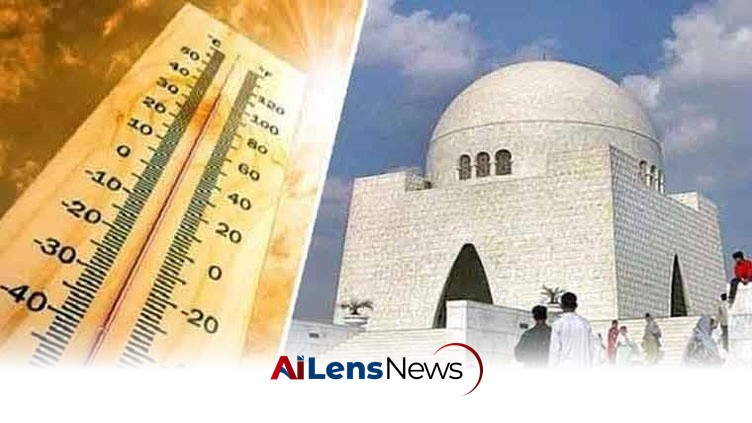


Karachi is set to endure hot and humid conditions over the next 24 hours, with temperatures reaching up to 36°C and a chance of light rain, according to the PMD.
Islamabad, Pakistan Jul 25, 2026 ALN: Karachi, the largest city in Pakistan and a bustling metropolis, is currently grappling with hot and humid weather conditions that are expected to persist over the next 24 hours. The Pakistan Meteorological Department (PMD) has issued a forecast predicting partly cloudy skies with the potential for light drizzle in certain areas, offering a glimmer of hope for residents seeking relief from the oppressive heat.
Hot and Humid Weather Expected to Persist in Karachi, Temperature May Reach 36°C
The PMD reported that the minimum temperature recorded in Karachi was 28 degrees Celsius, while the maximum temperature is anticipated to range between 34°C and 36°C throughout the day. This range, although not extreme, is coupled with high humidity levels, which can significantly affect how the temperature is perceived by residents. With humidity recorded at 78%, the discomfort index is expected to rise, making the weather feel considerably warmer than the actual temperature indicates.
High humidity levels are a common feature of Karachi's climate, especially during the monsoon season. The presence of moisture in the air can lead to a muggy atmosphere, particularly during the afternoon hours when temperatures peak. Meteorologists have noted that this combination of warm temperatures and elevated humidity can lead to increased discomfort, particularly for vulnerable populations such as the elderly, children, and those with existing health conditions.
In an effort to mitigate the effects of the heat, sea breezes have been blowing across the city at a speed of approximately 7 kilometers per hour. These breezes can provide some relief from the heat, making outdoor conditions slightly more bearable. However, weather experts caution that despite this natural ventilation, the overall combination of warm temperatures and high humidity will continue to create muggy conditions across most parts of the city, affecting daily life and outdoor activities.
The PMD has also indicated a possibility of light drizzle or isolated showers in a few localities. While widespread rainfall is not anticipated, these brief drizzles could provide a temporary respite from the humid weather, offering a much-needed break for residents who have been enduring the heat. Such localized rain events are typical during the monsoon season, which is characterized by fluctuating cloud cover and intermittent rainfall.
Residents have been advised to take precautions during this period of hot and humid weather. Staying hydrated is crucial, as the body loses fluids more rapidly in high temperatures. It is also recommended to avoid prolonged exposure to direct sunlight during peak afternoon hours when the sun's rays are strongest. Special care should be taken for children, elderly individuals, and those with underlying health conditions who may be more susceptible to heat-related illnesses.
The latest weather forecast comes at a time when Karachi is experiencing typical monsoon-season weather patterns. The monsoon season in Pakistan generally spans from June to September, bringing with it a mix of humidity, rain, and fluctuating temperatures. Karachi, being a coastal city, often faces the dual challenge of high temperatures and humidity during this time, which can lead to discomfort and health risks for its residents.
Weather officials have cautioned that forecasts may change depending on the movement of moisture-laden winds and local atmospheric conditions. The dynamics of weather systems can be unpredictable, and citizens are encouraged to stay informed by following official weather updates. This is particularly important as changes in weather patterns can have significant implications for daily life, agriculture, and local businesses.
Karachi Weather Update: Strong Winds and Light Drizzle Expected Over Next Three Days
Looking ahead, although temperatures are expected to remain below extreme heatwave levels, the persistent high humidity is likely to elevate the perceived temperature, making outdoor conditions feel significantly warmer. Authorities recommend that individuals take appropriate measures to minimize heat-related health risks while commuting or working outdoors. This includes wearing lightweight and loose-fitting clothing, using sunscreen, and seeking shade whenever possible.
Moreover, the impact of such weather conditions extends beyond personal comfort. High humidity levels can also affect infrastructure, transportation, and energy consumption in the city. Increased demand for air conditioning during hot and humid days can lead to higher electricity consumption, potentially straining the power grid. Additionally, heavy rains, even if localized, can lead to water accumulation on roads, affecting traffic flow and public transport systems.
In conclusion, Karachi's ongoing hot and humid weather, accompanied by the possibility of light drizzle, underscores the need for residents to remain vigilant and prepared. As the city navigates through the challenges posed by the monsoon season, understanding the implications of weather patterns is essential for ensuring health, safety, and overall well-being. The community's resilience, coupled with proactive measures, will play a crucial role in mitigating the effects of the current weather conditions.
To better understand the implications of this weather, it is important to consider Karachi’s geographical and climatic context. The city is located along the Arabian Sea, which significantly influences its weather patterns. The coastal position allows for a unique blend of maritime and continental climates, leading to high humidity levels, especially during the monsoon season. This season typically brings a significant amount of rainfall, although in recent years, the distribution and intensity of rainfall have varied, leading to both flooding and drought conditions in different parts of the city.
Furthermore, the urban environment of Karachi, characterized by densely populated areas and extensive concrete infrastructure, exacerbates heat retention, leading to what is known as the urban heat island effect. This phenomenon can result in higher temperatures in urban areas compared to surrounding rural areas, making the heat feel even more oppressive. As such, the combination of high humidity and urban heat can create a challenging situation for residents, particularly those without access to air conditioning or adequate shelter.
The health implications of prolonged exposure to such weather conditions are significant. Heat-related illnesses, such as heat exhaustion and heat stroke, can occur when individuals are unable to adequately cool their bodies. Symptoms may include heavy sweating, nausea, dizziness, and confusion. Vulnerable populations, including the elderly and those with chronic health issues, face increased risks during such weather events. Public health campaigns emphasizing hydration, recognition of heat-related illness symptoms, and strategies for staying cool are essential during these periods.
Additionally, the economic impact of weather conditions in Karachi cannot be overlooked. The increased demand for cooling solutions during hot and humid days can lead to higher electricity costs for consumers and strain on the power supply. This can result in load shedding or power outages, further complicating daily life for residents and businesses alike. Furthermore, the transportation sector may also face challenges due to weather conditions, with heavy rains potentially leading to traffic disruptions and accidents, impacting the economy and daily commuting.
In light of these challenges, community resilience and preparedness become crucial. Local authorities and community organizations play an important role in disseminating information and resources to help residents cope with extreme weather conditions. Initiatives such as establishing cooling centers, providing access to clean drinking water, and increasing awareness of heat-related health risks can greatly benefit the community during the monsoon season.
In summary, Karachi’s current hot and humid weather, coupled with the potential for light drizzle, highlights the complexities of urban living in a coastal city during monsoon season. The interplay between climate, health, and economic factors underscores the importance of proactive measures to ensure the well-being of residents. As the city continues to experience the challenges posed by its climate, a collective effort from individuals, communities, and authorities will be essential in navigating these conditions effectively.
To learn more about the latest developments in Crime & Law, stay updated with our exclusive reports and analyses on AiLensNews.

