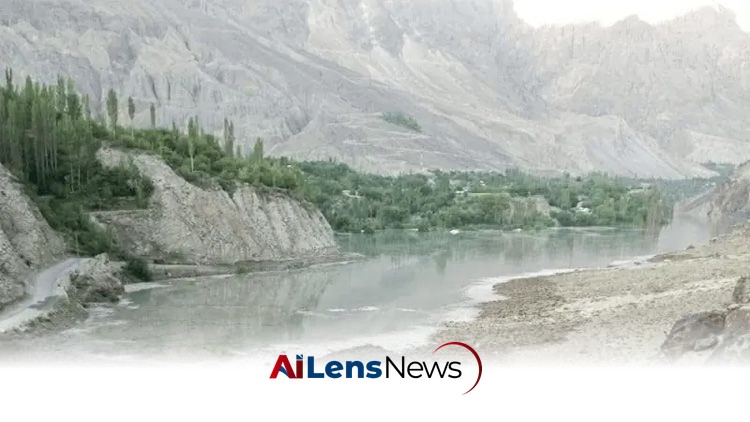


Flash floods and glacial lake outburst floods have cut off road access in Gilgit-Baltistan for four days, hampering relief efforts and isolating communities.
Islamabad, Pakistan Jul 26, 2026 ALN: Road access to several parts of Gilgit-Baltistan remained cut off for the fourth consecutive day on Saturday as flash floods and glacial lake outburst floods (GLOFs), triggered by rapid glacier melting, continued to damage highways and hamper restoration efforts. This situation has raised alarms among local authorities and residents, as the region is particularly vulnerable to the impacts of climate change, which has been exacerbating weather patterns and glacier dynamics.
The continued flooding, driven by unusually high temperatures and accelerated glacier melt, has disrupted relief operations and delayed the restoration of road links to affected areas. The phenomenon of GLOFs, where glacial lakes overflow due to rapid melting and subsequent heavy rainfall, has become increasingly common in the region, leading to significant infrastructure damage and posing risks to local communities. The GLOFs in Gilgit-Baltistan are a stark reminder of how climate change can directly impact local ecosystems and human settlements, causing not only immediate hazards but also long-term socio-economic challenges.
Director General of the GB Disaster Management Authority (GBDMA) Ataur Rehman Kakar told the media that heavy machinery had been deployed and restoration work was continuing round the clock to reopen blocked roads. He noted that the Karakoram Highway (KKH), Gilgit-Shandur Road, and Baltistan Road had been reopened for traffic, while efforts were underway to restore the Astore Valley Road, Naltar Highway, and other routes connecting remote areas across the region. The Karakoram Highway, a vital trade route connecting Pakistan with China, has historically been susceptible to landslides and flooding, making its maintenance critical for regional connectivity. The KKH is not just a transportation route; it is also a lifeline for trade and commerce, linking local economies to broader markets.
Later, the National Highway Authority (NHA) announced that the Baltistan Road had been reopened to light traffic. However, Kakar emphasized the ongoing challenges posed by high water levels and mudflows in rivers and nullahs, which have created serious obstacles for road restoration activities. The authorities are facing a race against time to clear these routes as the monsoon season can lead to further complications. The timing of these floods coincides with the monsoon season, creating a compounded risk where additional rainfall could exacerbate the already precarious situation.
Residents of Astore expressed concern over what they described as the slow pace of work to reopen the Valley Road, saying the valley had remained isolated for three days. This isolation has far-reaching implications, as residents in Diamer, Astore, Ghizer, and other affected districts have complained of prolonged disruptions to electricity, water supply, and the availability of essential commodities. The logistical challenges in these remote areas are compounded by the mountainous terrain, which makes transportation and delivery of aid more difficult. The lack of access not only affects daily life but also poses serious health risks, particularly for vulnerable populations such as the elderly and children.
Meanwhile, Hisper Valley in Nagar district remained disconnected for nearly two months after successive GLOF events washed away large sections of the only access road. The prolonged disconnection has left local residents in a precarious situation, as they face severe hardships, particularly for patients needing medical care and students unable to attend school. The shortages of food, medicines, and other essential supplies are worsening, raising concerns about the long-term impact on community well-being and health. Educational disruptions are particularly troubling, as they can have lasting effects on the development and future opportunities for children in these isolated communities.
The authority stated that rock blasting had been completed, and boulders were being stockpiled so restoration work could begin immediately once water levels receded. This proactive approach is necessary to mitigate further risks associated with potential landslides and flooding, which are common in the region due to its geological characteristics. A temporary pedestrian track has been constructed along the river to facilitate the movement of local residents, highlighting the urgent need for alternative routes during such crises. The construction of alternative pathways is a critical adaptive measure that can help communities maintain some level of connectivity during emergencies.
The GBDMA reported that Hisper Road had suffered extensive damage at multiple locations due to successive flood events and that restoration and protective works would begin once conditions became favorable. The agency is also focusing on long-term strategies to enhance resilience against similar disasters in the future, as climate change continues to alter weather patterns significantly. These strategies may include improved land management practices, investment in better drainage systems, and community training on disaster preparedness and response.
According to the latest GBDMA situation report, conditions were gradually returning to normal across most districts following the recent spell of heavy rainfall. While most roads had reopened, Haramosh Road, Naltar Road, Hisper Road, Astore Valley Road at Khachak, and Hushe Valley Road at Rout Longba in Ghanche district remained closed. The situation underscores the ongoing vulnerabilities of the region, as climate change and extreme weather events continue to pose significant risks. The impact of these events is not just immediate; they can have long-lasting effects on the economic stability and social cohesion of communities.
The implications of these events extend beyond immediate relief efforts, as they highlight the urgent need for comprehensive disaster management strategies in the face of climate change. Local and national authorities must invest in infrastructure improvements, community education on disaster preparedness, and long-term environmental management to mitigate the impacts of such natural disasters in the future. As the region grapples with the aftermath of these floods, the lessons learned will be crucial in shaping future responses to climate-related challenges. The need for a coordinated approach that involves all stakeholders, including local communities, government agencies, and non-governmental organizations, is essential for building resilience against future disasters.
To learn more about the latest developments in Health & Public Safety, stay updated with our exclusive reports and analyses on AiLensNews.

