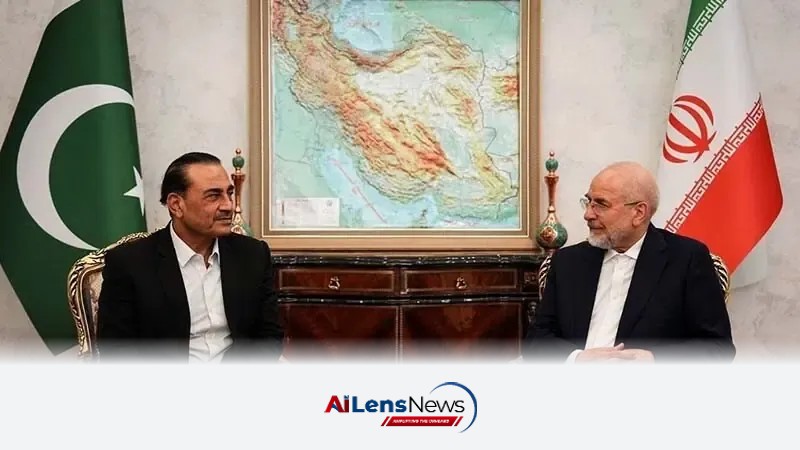



Field Marshal Asim Munir meets Iranian leaders to discuss regional peace and stability amid rising tensions with the US.
Islamabad, Pakistan Aug 25, 2026 ALN: Chief of Defence Forces (CDF) and Chief of Army Staff Field Marshal Asim Munir recently concluded a significant visit to Tehran, where he met with Iranian parliament speaker Mohammad Bagher Ghalibaf. This meeting, which took place on a Monday, was reported by the Iranian state broadcaster Press TV and is seen as part of a broader initiative by Pakistan to enhance regional peace and stability.
The visit underscores the importance of diplomatic engagement between Pakistan and Iran, particularly in light of the current geopolitical climate in the Middle East. The Inter-Services Public Relations (ISPR) characterized the trip as a vital step in Pakistan’s ongoing efforts to promote stability in a region that has been marred by conflict and tension.
During the meeting, Ghalibaf reiterated Iran's commitment to the Islamabad Memorandum of Understanding, a framework aimed at fostering cooperation between the two nations. He also criticized the United States for not fulfilling its commitments, arguing that such failures have hindered regional stability and eroded trust in Washington. This sentiment reflects a growing skepticism in Iran regarding U.S. foreign policy, especially in the context of its relations with Middle Eastern countries.
Field Marshal Munir responded by affirming Pakistan's dedication to restoring stability in the region, a commitment that is crucial given the complex dynamics at play. The meeting with Ghalibaf was part of a series of discussions that included Iranian officials, such as Mohsen Rezaei, the secretary of Iran’s Supreme National Security Council. Rezaei echoed the sentiment of distrust towards the U.S., calling for a change in American behavior and the practical implementation of agreements related to regional security.
In addition to his discussions with Ghalibaf and Rezaei, Field Marshal Munir also met with Iranian President Masoud Pezeshkian, further solidifying the high-level nature of this diplomatic engagement. The Iranian foreign ministry spokesperson, Esmaeil Baqaei, noted that the timing of the visit coincides with a period of strengthened bilateral ties between Islamabad and Tehran, suggesting that both nations are keen to collaborate on security issues that affect their mutual interests.
The backdrop of this visit includes ongoing tensions in the Middle East, particularly following the escalation of conflict between Iran and the United States. The U.S. and Israel have been involved in military actions against Iran, which intensified on February 28, leading to Iranian retaliatory strikes across the region. A ceasefire was eventually established on April 8, but tensions remain high, especially regarding control over the Strait of Hormuz, a critical passage for global oil and gas supplies.
Iran's control over this vital waterway has become a focal point of contention, with the U.S. prioritizing its reopening as part of broader sanctions and economic pressures against Iran. Tehran has made it clear that it will maintain control over the strait until the U.S. lifts its naval blockade on Iranian ports and removes economic sanctions that have crippled its economy.
Pakistan's role in facilitating dialogue and negotiations between Iran and the U.S. has been notable. The country brokered a memorandum of understanding in June aimed at peace, but current peace negotiations appear to be stalled. This situation is compounded by the recent announcement from U.S. President Donald Trump, who stated that Washington would escalate economic pressure on Iran to an unprecedented scale, further complicating the diplomatic landscape.
As part of this context, the U.S. has been actively seeking to isolate Iran economically and has urged other nations, including China, to join in these efforts. The anticipation of new sanctions has created an atmosphere of uncertainty, with U.S. officials suggesting that these measures will be the toughest in history against Iran. This ongoing pressure could have significant implications for regional stability and the prospects for peace in the Middle East.
In summary, Field Marshal Munir's visit to Tehran represents a critical moment in Pakistan-Iran relations, emphasizing the need for dialogue and cooperation in the face of escalating tensions in the region. The discussions held during this visit may serve as a foundation for future collaboration on security issues, as both nations navigate the complexities of their geopolitical environment. The commitment to uphold agreements and work towards regional stability reflects a mutual recognition of the challenges posed by external pressures and internal dynamics within the Middle East.
To learn more about the latest developments in World News & International Affairs, stay updated with our exclusive reports and analyses on AILensNews.

