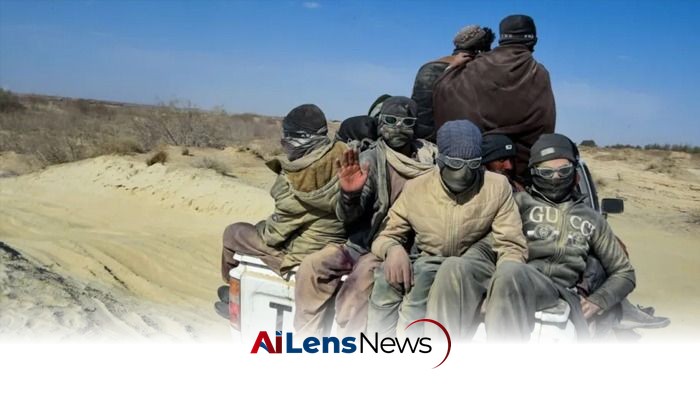


The bodies of 14 Afghan nationals were found in a desert in southwestern Afghanistan, emphasizing the perilous conditions faced by migrants seeking to cross into Iran.
Islamabad, Pakistan Aug 2, 2026 ALN: The tragic deaths of 14 Afghan nationals, who were attempting to travel to Iran, have underscored the severe risks associated with irregular migration in the region. The bodies were recovered from a remote desert area in southwestern Afghanistan, specifically in Nimroz province, which is known for its harsh environmental conditions. This incident not only highlights the dangers faced by those seeking better opportunities abroad but also raises questions about the broader implications of migration patterns in Afghanistan and neighboring countries.
The group of migrants had reportedly been missing for several weeks prior to the discovery of their bodies. According to local authorities, they were traveling by vehicle toward Iran when their vehicle broke down. Faced with the necessity to continue their journey, they attempted to traverse the unforgiving desert on foot. This decision proved fatal, as the extreme heat and lack of water in the region took a devastating toll on their health.
The search operation for the missing individuals was initiated after the vehicle driver managed to reach a nearby village in a state of severe dehydration and exhaustion. His arrival prompted local authorities to mobilize rescue teams to locate the rest of the group. Initially, five bodies were recovered, and subsequent efforts led to the discovery of the remaining victims. Local hospital sources confirmed that the 14 bodies were found buried under sand, illustrating the perilous conditions that migrants face when traversing such inhospitable terrain.
Nimroz province is characterized as one of the hottest and driest regions in Afghanistan, with current temperatures soaring to around 45 degrees Celsius (113 degrees Fahrenheit). The extreme climate not only poses a significant risk to human life but also complicates rescue operations in the area. The region's geography and climate have long made it a challenging environment for both locals and migrants alike, with limited access to resources such as water and shelter.
The dangers associated with irregular migration are exacerbated by the reliance on human smugglers, who often exploit vulnerable individuals seeking a better life. Many migrants are driven by desperation, fleeing from conflict, poverty, and persecution in their home countries. In Afghanistan, decades of war, political instability, and economic hardship have fueled a surge in migration, with many individuals believing that the risks of the journey are outweighed by the potential for a more stable and prosperous future abroad.
Afghan officials have expressed their commitment to combating human trafficking networks that facilitate such dangerous migrations. Interior Ministry spokesperson Abdul Mateen Qani emphasized that the government is actively conducting operations against human smuggling, with a focus on dismantling the networks that prey on vulnerable populations. The Afghan government has pledged to continue its efforts to address illegal migration and improve the safety of its citizens.
This tragic incident has intensified concerns regarding the safety of migrants traversing remote border areas. The harsh realities of irregular migration are not limited to Afghanistan; they extend across the region, affecting many countries in South Asia and the Middle East. As more individuals seek to escape dire circumstances, the risks associated with their journeys are likely to increase, particularly in areas where law enforcement is limited and smuggling operations thrive.
In response to the growing crisis, authorities are expected to strengthen measures against trafficking activities and enhance border security. This may involve increased surveillance, more robust law enforcement operations, and greater collaboration with international partners to address the root causes of migration. Investigations into the circumstances surrounding the deaths of the Afghan migrants are also underway, aiming to provide clarity and accountability in the wake of this tragedy.
The implications of this incident extend beyond the immediate loss of life. It serves as a stark reminder of the need for comprehensive strategies to address the underlying issues driving migration, such as poverty, lack of education, and ongoing conflict. Humanitarian organizations and advocacy groups have long called for increased support for migrants, as well as for policies that prioritize their safety and well-being.
Moreover, the international community has a role to play in addressing the challenges of migration. Collaborative efforts between governments, NGOs, and international organizations can help create safer pathways for migrants and provide support for those who are vulnerable. This includes not only addressing the immediate risks of migration but also investing in long-term solutions that can improve conditions in migrants' home countries, thereby reducing the impetus for irregular migration.
As authorities continue to investigate the tragic deaths of these 14 Afghan migrants, it is crucial to reflect on the broader implications of their journey. The dangers faced by migrants are a symptom of deeper societal issues that require urgent attention. By addressing the root causes of migration and enhancing protections for those on the move, there is hope for a future where individuals do not have to risk their lives in search of safety and opportunity.
Historically, Afghanistan has been a significant source of migrants, particularly in the context of its long-standing conflicts and socio-economic challenges. The Soviet invasion in the late 1970s, followed by years of civil war and the rise of the Taliban, led millions of Afghans to flee their homeland. The situation has only worsened in recent years, particularly following the U.S. withdrawal in 2021 and the subsequent return of the Taliban to power, which has led to a humanitarian crisis characterized by widespread poverty, unemployment, and human rights abuses.
The current political climate has created an environment where many Afghans feel compelled to leave, often resorting to perilous routes and relying on smugglers who exploit their desperation. The risks associated with these journeys are compounded by the lack of legal migration pathways and the often hostile reception migrants face in transit and destination countries. This reality makes the journey not only dangerous but also fraught with uncertainty and potential exploitation.
Furthermore, the international community's response to the Afghan migration crisis has been mixed. While some countries have offered asylum and support to Afghan refugees, others have tightened their borders and increased restrictions on asylum seekers. This inconsistency can create additional pressures on migrants, forcing them into more dangerous and irregular routes in search of safety and a better life.
In light of the recent tragedy, there is a pressing need for a coordinated international response to address the complexities of Afghan migration. This includes not only humanitarian assistance but also diplomatic efforts to stabilize the region and improve conditions in Afghanistan. By fostering dialogue and collaboration among nations, it may be possible to create a more effective framework for managing migration that prioritizes human rights and safety.
As the investigation into the deaths of the Afghan migrants unfolds, it is essential for policymakers to engage with affected communities, listen to their needs, and develop solutions that address the root causes of migration. This approach can help ensure that future migrants are not forced to undertake dangerous journeys in search of safety and opportunity, thereby preventing further tragedies like the one that claimed the lives of these 14 individuals.
Ultimately, the plight of Afghan migrants serves as a stark reminder of the urgent need for comprehensive migration policies that prioritize human dignity and safety. By addressing the factors that compel individuals to leave their homes and creating pathways for safe migration, the international community can contribute to a future where individuals are not forced to risk their lives in search of a better life.
To learn more about the latest developments in Crime & Law, stay updated with our exclusive reports and analyses on AiLensNews.

