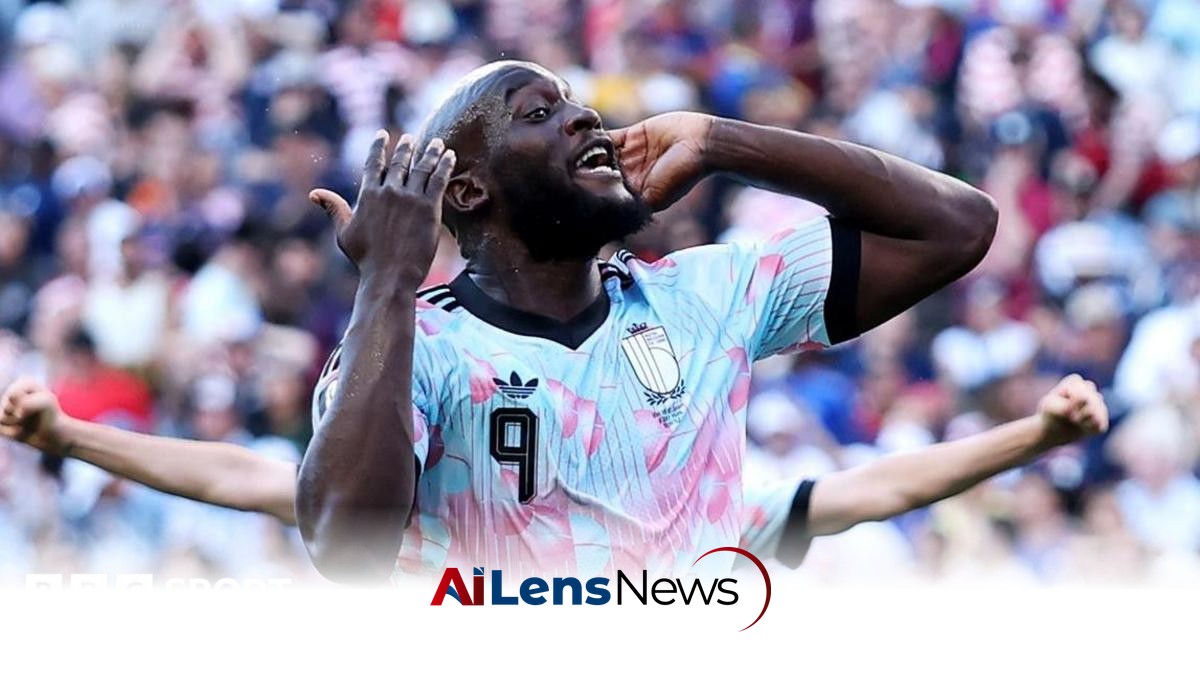


Belgium's Nicolas Raskin expressed a 'sense of injustice' over Fifa's decision to suspend Balogun's ban, fueling their motivation in a 4-1 victory over the US.
New Delhi, India Jul 7, 2026 ALN: Belgium midfielder Nicolas Raskin expressed a strong sense of injustice regarding the recent decision by Fifa to suspend the one-match ban of United States striker Folarin Balogun. This ruling came just before their World Cup last-16 match in Seattle, which heightened the competitive spirit of the Belgian team. The incident has sparked considerable debate about the intersection of sports and politics, particularly in the context of international football competitions. The World Cup, being one of the most prestigious tournaments in sports, often serves as a microcosm of global issues, and this situation is no exception.
Balogun, 25, was initially expected to miss the crucial match after receiving a straight red card for a foul on Bosnia-Herzegovina defender Tarik Muharemovic in the previous round. The decision to suspend the ban for 12 months by Fifa was unexpected and controversial, leading to widespread criticism from various quarters, including figures from Uefa, Belgium, and England's head coach Thomas Tuchel. The initial ruling was seen as a necessary measure to maintain fairness in the competition, particularly in such a high-stakes environment. The timing of the suspension raised eyebrows, as it seemed to favor the US team just before a pivotal knockout match, leading many to question the integrity of the decision-making process at Fifa.
On the eve of the match, US President Donald Trump stated that he had requested Fifa to review Balogun's suspension, arguing that it would have left a "big stain" on the tournament. Trump's involvement in this matter highlights how sports can often become a platform for political statements and maneuvering. His comments were interpreted by many as an attempt to influence the outcome of a sporting event to favor the United States, raising questions about the separation of sports from political interference. This incident underscores the delicate balance between sports and politics, especially in an era where social media amplifies every statement and action, allowing for rapid dissemination of opinions and reactions.
Despite Balogun being cleared to play and starting the match, Belgium triumphed convincingly with a 4-1 victory over the tournament co-hosts. This result not only showcased Belgium's footballing prowess but also served as a statement against what they perceived as an unjust ruling. Raskin noted, "A lot has happened off the pitch over the last two days. There was a sense of injustice within the squad, and we were determined to respond on the field." This sentiment was echoed by Belgium captain Youri Tielemans, who emphasized the need to respond to the controversy through their performance, indicating that the team channeled their frustrations into their play. This victory not only advanced Belgium in the tournament but also served as a symbolic triumph over perceived unfairness, reinforcing their commitment to the principles of fair play.
After scoring their fourth goal, several Belgian players celebrated by mimicking the 'Trump dance', a move that gained notoriety during the 2024 US presidential campaign. This celebration was not merely a spontaneous act of joy; it was a calculated response to the political context surrounding the match, symbolizing the team's defiance against perceived injustice. Additionally, the official Instagram account for the Belgium national team humorously referenced the incident by posting a picture of striker Romelu Lukaku cupping his ear with the caption "overturn this". This clever use of social media highlights how teams engage with fans and the public, often using humor to address serious issues in a light-hearted manner. Such interactions serve to strengthen the bond between players and supporters, while also providing commentary on the larger issues at play.
Belgium's head coach Rudi Garcia remarked that Balogun approached him after the match, indicating that he appreciated the striker's gesture. Garcia stated, "It's not his fault, he's not the one to blame and that's what I told him." His comments reflect an understanding of the complexities involved in such situations, emphasizing the need for sportsmanship and respect among players, regardless of the surrounding controversies. He further explained that the focus for his team was on their game plan, regardless of the US's lineup, showcasing a professional approach to the challenges presented by external factors. This perspective highlights the importance of maintaining focus on the game itself, despite the distractions that may arise from political interventions or external pressures.
In a related note, Iran also took a jab at the US regarding the Balogun incident, posting a screenshot of their draw with Belgium alongside the US's heavy defeat, accompanied by the message: "Now the whole world is dancing for the humiliating defeat of politics against football." This comment alluded to the complex political backdrop surrounding the World Cup, where sporting events often become a stage for national pride and international relations. Iran's statement serves as a reminder of the global nature of football and how it can reflect broader geopolitical tensions. The interplay between football and politics is a recurring theme, with nations often using sporting success as a means of asserting their identity and influence on the world stage.
Trump later reiterated his belief that Fifa made the right decision in suspending Balogun's ban, stating that it would have been detrimental to the tournament had the ban been enforced. His insistence on the matter illustrates the extent to which political figures may seek to influence sports outcomes, potentially undermining the integrity of the sport. However, Uefa and other football authorities expressed concern that the intervention crossed a line, setting a dangerous precedent for future rulings. This situation raises significant questions about the autonomy of sporting organizations and their ability to govern fairly without external pressures. The implications of such political involvement could lead to greater scrutiny of Fifa's decision-making processes and a call for reforms to ensure that sporting integrity is preserved.
As the tournament progresses, the implications of this incident may continue to resonate, not just for the teams involved, but for the integrity of the sport itself. The intersection of politics and sports is not a new phenomenon, but this incident highlights the growing visibility of such interactions in the age of social media and instant communication. The reactions from players, coaches, and political figures alike underscore the importance of maintaining fairness and integrity in sports, while also recognizing the potential for political agendas to influence outcomes. The balance between sportsmanship and political influence is delicate, and as the lines continue to blur, stakeholders must remain vigilant in safeguarding the integrity of the game.
Moreover, as the World Cup continues, teams will likely remain vigilant about the implications of off-field actions and statements. The scrutiny on Fifa’s decisions may lead to calls for more transparent and consistent governance in international football. Stakeholders, including fans, players, and officials, will be watching closely to see how Fifa addresses this incident and whether it will impact future disciplinary actions. The incident serves as a case study for how sports and politics intersect, and it will be interesting to see how it shapes the narrative of the tournament moving forward. As the world watches, the actions taken by Fifa and the responses from teams and players will undoubtedly influence the future landscape of international football, particularly in how governance and fairness are perceived in the context of global competition.
To learn more about the latest developments in Politics, stay updated with our exclusive reports and analyses on AiLensNews.

