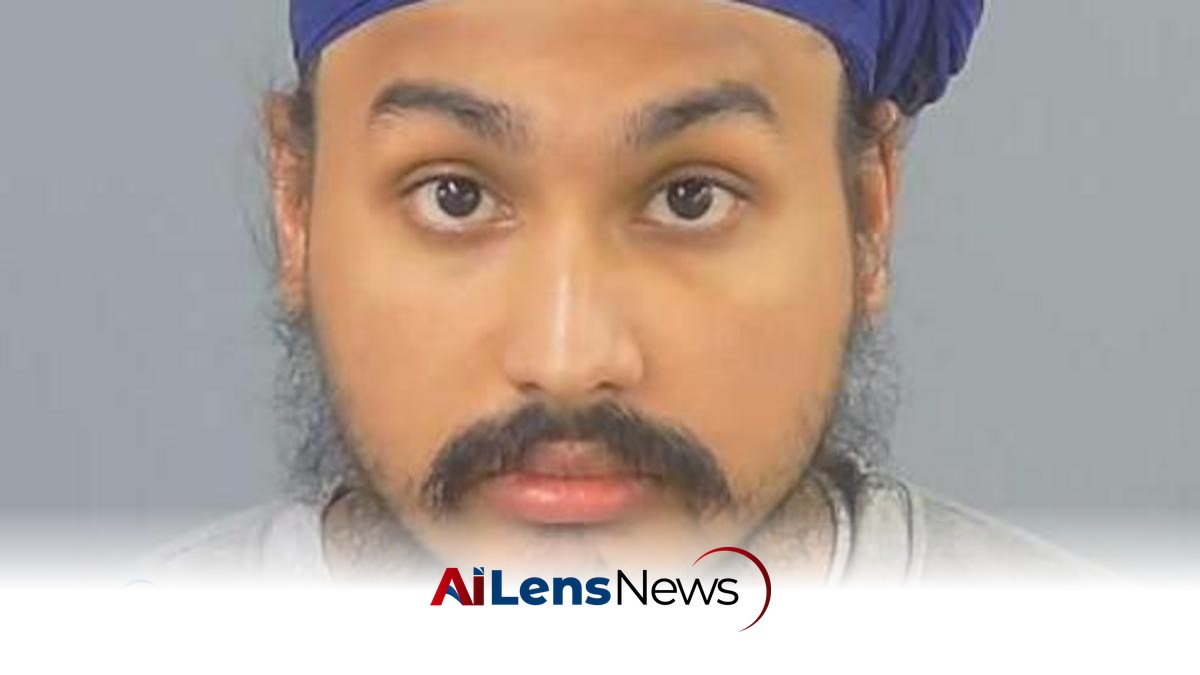


Vickrum Digwa, convicted of murdering student Henry Nowak, is appealing his conviction and sentence of at least 21 years in prison.
New Delhi, India Jul 3, 2026 ALN: The man who murdered student Henry Nowak is seeking to appeal against his conviction and sentence, the Court of Appeal has confirmed.
Vickrum Digwa was jailed for life with a minimum of 21 years in June after fatally stabbing the 18-year-old in Southampton last December. The circumstances surrounding this tragic incident have raised significant questions about public safety, policing practices, and community relations, particularly in the context of race and violence.
The Solicitor General, Ellie Reeves, has referred the sentence to the Court of Appeal as "unduly lenient," indicating that there may be a perception that the punishment for such a grave crime does not adequately reflect its severity. This referral underscores the increasing scrutiny of sentencing practices in cases involving violent crime, particularly those that have garnered public attention.
On Friday, the court confirmed that Digwa is seeking to appeal against both his conviction and his sentence. This move has sparked renewed discussions about the legal processes surrounding appeals in homicide cases, as well as the implications for victims' families who often find themselves navigating a complex judicial landscape. No date has been set for either the appeal or the bid to increase the sentence, and details regarding the specific grounds for Digwa's challenge remain unclear.
After the fatal stabbing of Henry Nowak, who hailed from Chafford Hundred in Essex, Digwa initially attempted to mislead law enforcement by claiming he was the victim of a racist attack. This false narrative not only hindered the investigation but also contributed to the public outrage that ensued following the incident. The community's response was further inflamed when police body-worn footage was released, showing officers failing to provide immediate medical assistance to Henry while instead handcuffing him as he lay dying. Despite his desperate pleas that he could not breathe, the officers' actions raised serious concerns about their training and decision-making in crisis situations.
When Digwa was sentenced at Southampton Crown Court, Henry's father, Mark Nowak, expressed profound grief and frustration, stating that the treatment disparity between his son and the man who took his life was "unbearable." This sentiment resonates with many families who have suffered similar tragedies, highlighting the emotional toll that violent crime takes not only on victims but also on their loved ones.
Digwa was also sentenced for carrying a knife in public, a factor that has contributed to ongoing discussions about knife crime and its prevalence in urban areas. The issue of youth violence, particularly involving knives, has become a focal point for policymakers and community leaders alike, prompting calls for more effective prevention strategies and educational initiatives aimed at reducing such incidents.
In a related development, Digwa's mother, Kiran Kaur, 53, was found guilty of assisting an offender after she attempted to hide the knife used in the attack. She is scheduled to be sentenced on 17 July, and her case adds another layer to the narrative of accountability and responsibility within families in the context of violent crime.
A day after the sentencing, prominent political figures, including Sir Keir Starmer, voiced their concerns about the case, stating that there were "serious questions" to be answered regarding the police response and the broader implications of the incident. This statement reflects a growing recognition of the need for systemic reforms within law enforcement agencies, particularly in how they handle cases involving racial dynamics and urgent medical situations.
The Independent Office for Police Conduct (IOPC) has announced an investigation into two officers for potential gross misconduct. The allegations center on their failure to recognize that Henry required urgent medical attention, their inaction when he indicated that he had been stabbed and could not breathe, and their decision to arrest and restrain him instead of providing necessary first aid. Such investigations are critical in maintaining public trust in law enforcement and ensuring that officers are held accountable for their actions.
Moreover, one of the officers involved is under scrutiny for potentially breaching conduct standards by dismissing Henry's claim of being stabbed. This aspect of the investigation raises questions about the training and protocols in place for officers when responding to emergencies, particularly in diverse communities where cultural sensitivities may play a role in interactions between police and citizens.
The IOPC is also examining whether race or religion influenced the officers' decision-making processes during the incident. This inquiry is particularly pertinent given the historical context of racial tensions in the UK and the ongoing debates regarding institutional racism within policing. The implications of this investigation could have far-reaching effects on community relations and the perceived legitimacy of law enforcement in the eyes of marginalized groups.
Protests erupted in Southampton on 2 June after the release of police bodycam footage showing the two officers' interactions with Henry as he lay dying. The footage sparked widespread outrage, leading to demonstrations that highlighted the community's frustration with both the police's handling of the situation and the broader issue of knife violence. During these protests, twelve police officers and a police dog were injured, illustrating the volatility of the situation and the strong emotions at play.
The demonstrations began with gatherings outside the city center police station before moving to an area near the Digwa family home. The escalation of protests serves as a reminder of the power of grassroots movements in bringing attention to issues of social justice and accountability. Seventeen individuals have been jailed for their involvement in the disorder, reflecting the legal consequences of participating in protests that devolve into violence.
In the aftermath of the protests, leaders within Southampton's Sikh community urged individuals to maintain "peace and harmony." This call for calm underscores the importance of community cohesion in times of crisis, as well as the need for constructive dialogue between different groups. The Council of Southampton Gurdwaras, representing the city's Sikh population, condemned Digwa's actions and emphasized that violence on the streets should never be accepted or tolerated. Such statements are crucial in fostering a sense of unity and resilience within communities facing the aftermath of violence and tragedy.
The implications of the Nowak case extend beyond the immediate legal proceedings, touching on broader societal issues such as youth violence, policing practices, and community relations. As the appeals process unfolds and investigations into police conduct continue, it is likely that discussions surrounding these themes will persist, influencing public policy and community engagement in the months and years to come.
To learn more about the latest developments in Crime & Law, stay updated with our exclusive reports and analyses on AiLensNews.

