

A man was partially sucked out of a window on a flight from Greece to Germany after the window dislodged shortly after takeoff. Fellow passengers quickly intervened to pull him back inside.
Washington DC, United States Jul 12, 2026 ALN: THESSALONIKI, Greece — A terrifying incident unfolded on a flight from Greece to Germany when a man was partially sucked out of a dislodged airplane window shortly after takeoff. Fellow passengers acted quickly to pull him back inside, and the plane returned to the airport in Greece, highlighting the extraordinary circumstances that can arise during air travel.
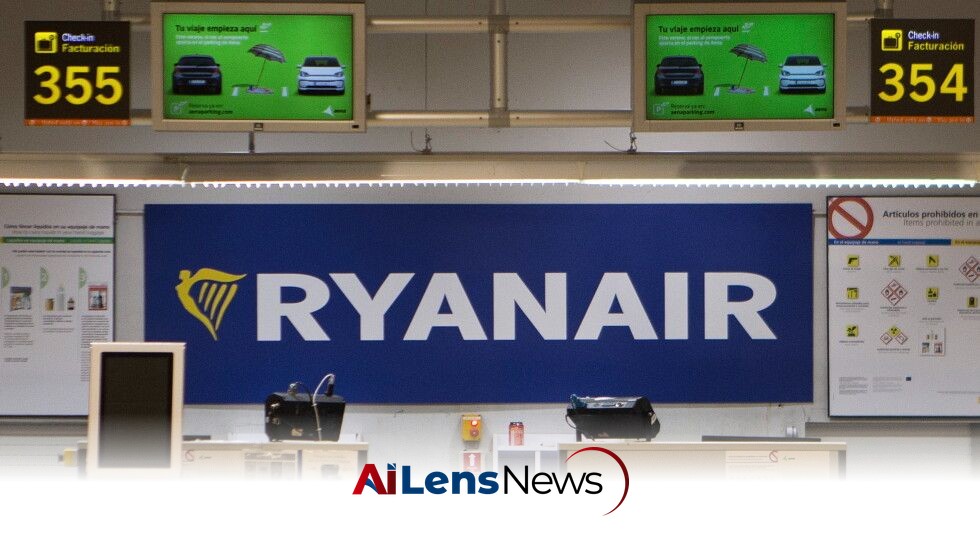
The incident occurred on a morning flight from Thessaloniki to Memmingen, near Munich, operated by Malta Air, a subsidiary of Ryanair, Europe’s largest budget carrier. Ryanair confirmed that the flight returned to Thessaloniki shortly after takeoff due to a dislodged passenger window. Such incidents are rare but can have severe consequences, raising questions about aircraft safety and maintenance protocols.
The 61-year-old passenger, who has not been publicly identified, sustained neck and shoulder injuries as well as friction burns, according to a hospital official who spoke on condition of anonymity. It remains unclear whether he was still hospitalized later that day. The injuries sustained during such an incident can vary widely, often depending on the circumstances surrounding the decompression and the speed at which the aircraft was traveling when the incident occurred.
Witnesses reported hearing a loud bang, followed by the deployment of oxygen masks as the plane began to lose altitude. One passenger, identified only as Christina, described the chaos, stating, "His whole head, neck, shoulders were pulled out of the window," adding that nearby passengers quickly pulled him back in. The quick actions of fellow passengers likely prevented more serious injuries or worse outcomes for the man involved.
“Most people had fallen asleep; we had closed our eyes. We heard a sound, I’d describe it like a tire bursting … but very loud,” she recounted. “We knew straight away we lost pressure because we lost altitude.” Such sudden cabin pressure loss can lead to rapid physiological changes in passengers, including hypoxia, which is a deficiency in the amount of oxygen reaching the tissues. This can be disorienting and frightening, compounding the chaos in the cabin.
Passengers expressed panic as the cabin lost pressure, leading to screams and shouts throughout the aircraft. The airline has not yet disclosed the cause of the window dislodging, but the U.S. National Transportation Safety Board (NTSB) reported that the flight turned back due to a right engine issue and cabin decompression. The presence of an engine issue raises additional concerns about the aircraft's maintenance history and the protocols followed by the airline to ensure passenger safety.
The NTSB, which investigates aviation incidents, is prepared to assist in the investigation, which will be led by the Aircraft Accident and Incident Investigation Committee of North Macedonia, as the incident occurred in that country's airspace. The involvement of international aviation safety organizations underscores the seriousness of the situation and the need for a thorough investigation to determine the root causes of the incident.
Short videos recorded by passengers showed the aftermath, including individuals wearing oxygen masks and first responders attending to the injured man after the aircraft landed safely. These recordings provide a glimpse into the immediate response and the level of distress experienced by those on board. Shye Gilad, a former airline pilot, emphasized the importance of keeping seatbelts fastened while seated, especially during takeoff and landing, to mitigate risks during sudden decompression events. This advice is a critical reminder of the importance of adhering to safety protocols, which are designed to protect passengers in unforeseen circumstances.
The aircraft involved was a Boeing 737-800, which can accommodate up to 189 passengers. Flight records indicate that the plane climbed past 15,000 feet approximately six minutes after departure before descending to around 6,000 feet to burn fuel for about 30 minutes before returning to Thessaloniki. This operational detail is significant as it provides insight into the flight's trajectory and the timing of the incident in relation to standard flight protocols.
Upon landing, passengers were able to return to the terminal, and one individual requested medical assistance on the ground. A replacement aircraft was later provided to transport the remaining passengers to Germany. The swift response by the airline to provide alternative arrangements for passengers reflects the operational protocols that airlines have in place for dealing with emergencies, ensuring that affected travelers are cared for promptly.
This incident serves as a stark reminder of the potential dangers of air travel and the importance of safety protocols. The investigation into the cause of the window dislodgment continues, and findings from this inquiry may lead to changes in regulations or procedures aimed at enhancing passenger safety. The aviation industry constantly evolves, with safety measures being reviewed and updated based on past incidents to prevent future occurrences.
Air travel, while statistically one of the safest modes of transportation, is not without risks. Incidents like this can instill fear in travelers and raise awareness about the importance of aircraft maintenance, the training of crew members, and the adherence to safety regulations. The aviation community, including airlines, regulatory bodies, and manufacturers, must work collaboratively to ensure that safety remains a top priority.
As the investigation unfolds, it will be essential to monitor the findings and recommendations that emerge from this incident. The outcome may influence not only the airline involved but also the broader aviation industry, potentially leading to changes that enhance safety for all passengers flying in the future. In the aftermath of such incidents, it is crucial for airlines to communicate transparently with the public, providing updates on safety measures and any changes implemented as a result of investigations.
In conclusion, while the immediate crisis was averted due to the quick actions of fellow passengers and the crew, the implications of this incident resonate far beyond the flight itself. It serves as a reminder of the inherent risks associated with air travel and the ongoing need for vigilance in safety practices across the aviation industry.
To learn more about the latest developments in Health & Public Safety, stay updated with our exclusive reports and analyses on AiLensNews.

