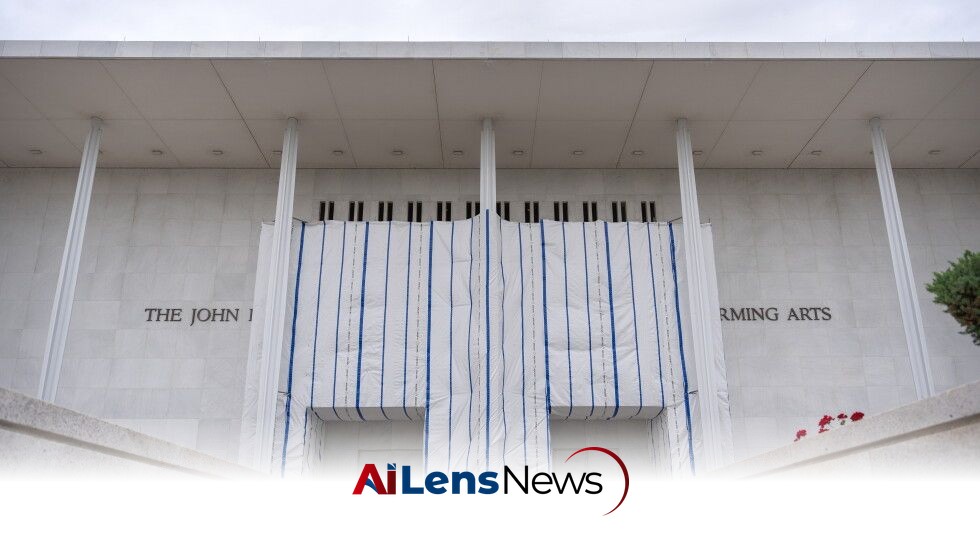


A Democratic senator has revealed whistleblower allegations regarding significant issues with the rushed reconstruction of the Kennedy Center.
Washington DC, United States Jul 12, 2026 ALN: The John F. Kennedy Center for the Performing Arts, located in the heart of Washington, D.C., is a national monument and a vital hub for the performing arts in the United States. It serves as a stage for a variety of performances, including theater, dance, and music, and is home to several resident companies, such as the National Symphony Orchestra and the Washington National Opera. Recently, however, the Kennedy Center has found itself embroiled in controversy following allegations made by whistleblowers about serious issues related to its ongoing reconstruction efforts. These allegations were publicly announced by a Democratic senator, drawing significant attention to the state of the project.
The Kennedy Center has been undergoing extensive renovations since 2018, a project that is part of a larger initiative to modernize its facilities and enhance the visitor experience. This renovation is particularly crucial as it aims to update the center’s infrastructure, improve accessibility, and create new spaces for performances and community engagement. The project, which is expected to cost over $250 million, is funded through a combination of federal appropriations and private donations. However, the expedited timeline of the renovations has raised concerns among some employees and contractors, who believe that the rush to complete the project may be compromising the quality of construction and safety standards.
The Kennedy Center, named after President John F. Kennedy, was dedicated in 1971 and has since become an iconic venue for the arts. The renovation project seeks to address aging infrastructure and make the center more accommodating for visitors, particularly those with disabilities. The initiative includes the creation of new performance spaces, improved backstage facilities, and enhanced public areas. However, the ambitious nature of the project, combined with its significant financial implications, has made it a focal point for discussions about accountability and transparency in public spending.
According to the senator who brought these allegations to light, whistleblowers have reported several significant issues that warrant immediate attention:
These allegations, if proven true, could have serious ramifications not only for the Kennedy Center but also for the broader framework of public project management. The claims reflect a growing concern among stakeholders about the efficacy of oversight mechanisms in place for large-scale public works. The whistleblowers’ experiences underscore the potential for systemic issues within the management of public funds and the execution of major infrastructure projects.
In response to these serious allegations, officials from the Kennedy Center have publicly stated their commitment to maintaining high standards of safety and quality throughout the renovation process. They have emphasized that the center takes these claims seriously and will conduct a thorough investigation into the allegations made by the whistleblowers. The Kennedy Center's leadership has assured stakeholders that they will address any legitimate concerns that arise from the investigation, reinforcing their dedication to transparency and accountability.
Moreover, the Kennedy Center has indicated that it will collaborate with independent auditors and oversight bodies to ensure that all aspects of the renovation are scrutinized. This proactive approach aims to restore public confidence in the project and demonstrate the institution's commitment to ethical management practices. Such measures are crucial in a climate where public trust is essential for the success of cultural institutions that rely heavily on federal and private funding.
The situation at the Kennedy Center highlights the critical need for transparency in large-scale public projects. As taxpayer dollars and private donations fund the renovations, it is essential for the public to have confidence that the project is being executed properly and that safety protocols are being followed. The allegations have sparked discussions about the importance of oversight in public construction projects, particularly those involving significant financial investments and public interest. Stakeholders, including government officials, arts organizations, and the general public, are closely monitoring the situation to ensure that the renovations are completed without compromising the safety or quality of the work.
Transparency is not just a matter of ethical governance; it is also fundamental to the successful execution of public projects. When stakeholders are kept informed about the progress and challenges of a project, it fosters a sense of shared responsibility and trust. The Kennedy Center’s commitment to transparency in the wake of these allegations could serve as a model for other public institutions facing similar scrutiny.
The allegations raised by whistleblowers could have far-reaching implications for the Kennedy Center and similar public projects. If the claims are substantiated, there may be a push for stricter regulations and oversight mechanisms in future construction projects funded by public money. This could lead to increased scrutiny of project timelines, financial management practices, and adherence to safety standards. Furthermore, the fallout from these allegations may impact public trust in the Kennedy Center as an institution and its ability to manage large-scale projects effectively.
In a broader context, these allegations may catalyze legislative discussions about enhancing oversight for public works projects. Lawmakers may consider introducing new policies to ensure that public funds are safeguarded and that projects are completed to the highest standards. Such measures could include increased reporting requirements, regular audits, and the establishment of independent oversight committees to monitor progress and compliance with safety regulations.
The whistleblower allegations regarding the Kennedy Center's reconstruction efforts raise significant questions about the management and execution of public projects. As investigations proceed, the focus will be on ensuring accountability and maintaining the integrity of one of the nation’s most important cultural landmarks. The outcome of this situation could set a precedent for how public institutions handle similar challenges in the future, emphasizing the need for transparency, safety, and ethical management practices in all aspects of public service.
Ultimately, the Kennedy Center's ability to navigate this crisis will be closely watched by other cultural institutions and public agencies. The lessons learned from this situation may inform future practices and policies, ensuring that public projects not only meet deadlines and budgets but also uphold the highest standards of safety and quality. As the investigation unfolds, all eyes will remain on the Kennedy Center, with the hope that it can emerge from this controversy with renewed commitment to excellence in the arts and public service.
To learn more about the latest developments in Politics, stay updated with our exclusive reports and analyses on AiLensNews.

