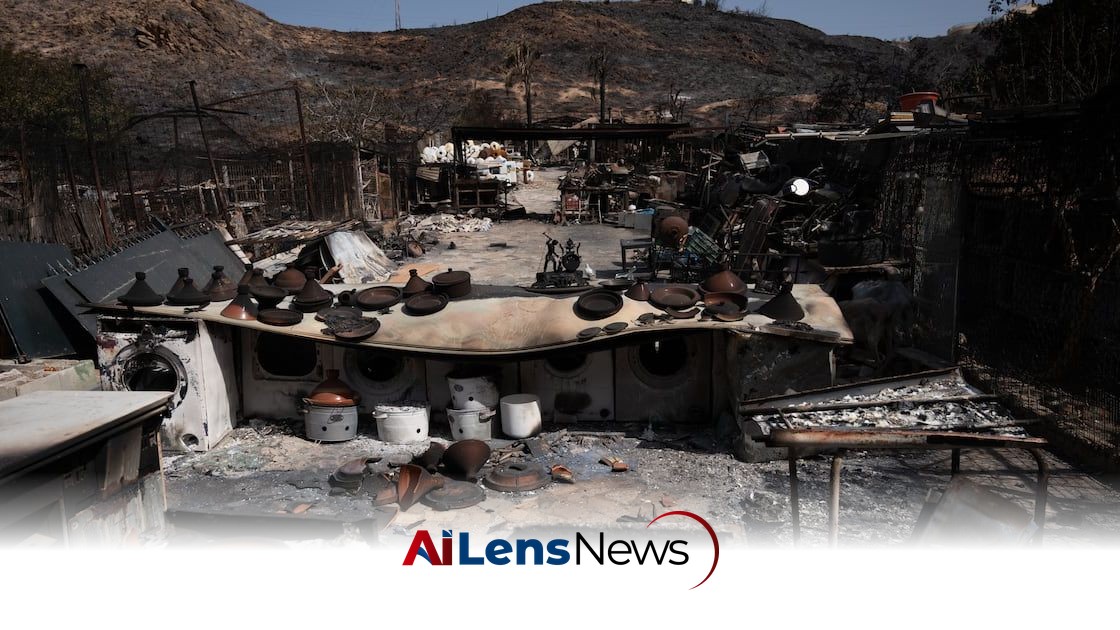


Firefighters in Spain face challenges in controlling a devastating wildfire that has claimed at least 12 lives, prompting mass evacuations in affected areas.
London, United Kingdom Jul 11, 2026 ALN: Wildfires have become an increasingly frequent and devastating phenomenon in many parts of the world, and Spain is no exception. The current wildfire crisis in Spain, particularly in the Almeria province, underscores the severity of the situation. As firefighters grapple with one of the deadliest wildfires in the country’s history, the implications extend beyond immediate firefighting efforts, affecting local communities, economies, and the environment.
The wildfire, which erupted late Thursday near the Sierra de Los Filabres mountains, has already claimed at least 12 lives, with many others injured. This area, characterized by its semi-arid climate, has been particularly susceptible to wildfires, especially during the summer months when conditions are dry and temperatures soar. The combination of strong winds and low humidity has exacerbated the situation, allowing the fire to spread rapidly and unpredictably.
Antonio Sanz, the head of Andalusia’s emergency services, has been at the forefront of the response efforts. His reports highlight the complexity of the situation, noting that while recent weather conditions have provided some relief, the scale of the blaze remains a significant challenge. Firefighters have been utilizing controlled burns as a strategy to create firebreaks, which can help contain the fire's spread by removing potential fuel sources. This method, while effective, requires careful planning and execution to avoid unintended consequences.
The rapid expansion of the wildfire has caught many residents off guard. Eyewitness accounts detail how the fire spread approximately 15 kilometers within just two hours, leading to frantic evacuations. The victims, primarily British and Belgian nationals along with one Spaniard, were found near the forested district of Bédar, a stark reminder of the human cost of such natural disasters. Autopsies have been conducted, but the identities of the deceased have yet to be confirmed, leaving families in anguish as they await news of their loved ones.
In addition to the fatalities, eight individuals have sustained injuries, with four in critical condition and receiving treatment in hospitals in Seville. The healthcare system, already under strain from various challenges, now faces the added burden of treating those affected by the wildfires. Emergency services are working tirelessly to ensure that all affected individuals receive the care they need, highlighting the interconnectedness of emergency response and healthcare in crisis situations.
In response to the escalating crisis, authorities have evacuated over 1,400 individuals from their homes. Precautionary measures have been implemented across several communities surrounding Bédar, demonstrating the proactive approach of local and regional governments. The evacuation process, while necessary for safety, can be incredibly disruptive, forcing residents to leave behind their homes and belongings. This displacement can have long-term psychological and financial impacts on those affected, necessitating ongoing support and resources for recovery.
The firefighting operation involves more than 500 personnel, including regional firefighters, soldiers, and specialized units from a national firefighting brigade. This coordinated effort is crucial in combating the wildfire, especially in the western flank where the fire remains most intense. The commitment of these firefighters, who often work under dangerous and exhausting conditions, is commendable. Their efforts not only aim to protect lives but also to safeguard homes and local ecosystems that are threatened by the advancing flames.
As of late Friday, approximately 6,600 hectares have been scorched by the wildfire, a significant area that underscores the scale of the disaster. The environmental implications of such wildfires are profound, including loss of biodiversity, soil degradation, and air quality deterioration. The aftermath of wildfires can take years to recover from, with ecosystems struggling to rebound and communities facing the long-term effects of displacement and loss.
Witnesses, including local leaders like Víctor Manuel Fernández, have expressed shock at the fire's rapid escalation. Fernández, who serves as the parish priest of Bédar and Los Gallardos, recounted his experience of witnessing the fire's swift advance after attending a Mass. Such personal accounts highlight the emotional toll that these events take on communities, as individuals grapple with fear, loss, and uncertainty.
The ongoing situation serves as a stark reminder of the increasing frequency and intensity of wildfires, a trend that many experts attribute to climate change. Rising temperatures, prolonged droughts, and shifting weather patterns are contributing factors that make regions like southern Spain more susceptible to devastating wildfires. As climate change continues to challenge traditional approaches to land management and emergency response, it raises questions about the long-term strategies needed to mitigate these risks.
Authorities remain vigilant as they work to control the wildfire and ensure the safety of residents in affected areas. The situation continues to evolve, and with it, the need for ongoing support and resources for firefighting efforts, as well as for those who have been displaced. As the community rallies together in the face of adversity, the resilience of the human spirit shines through, reminding us of the importance of solidarity in times of crisis.
In conclusion, the current wildfire crisis in Almeria province illustrates the multifaceted challenges posed by such disasters. From immediate firefighting efforts to long-term recovery and environmental restoration, the implications of this crisis are far-reaching. As Spain continues to confront the realities of climate change and its impact on natural disasters, the lessons learned from this experience will be crucial in shaping future responses to wildfires and other emergency situations.
To learn more about the latest developments in Science & Environment, stay updated with our exclusive reports and analyses on AiLensNews.

