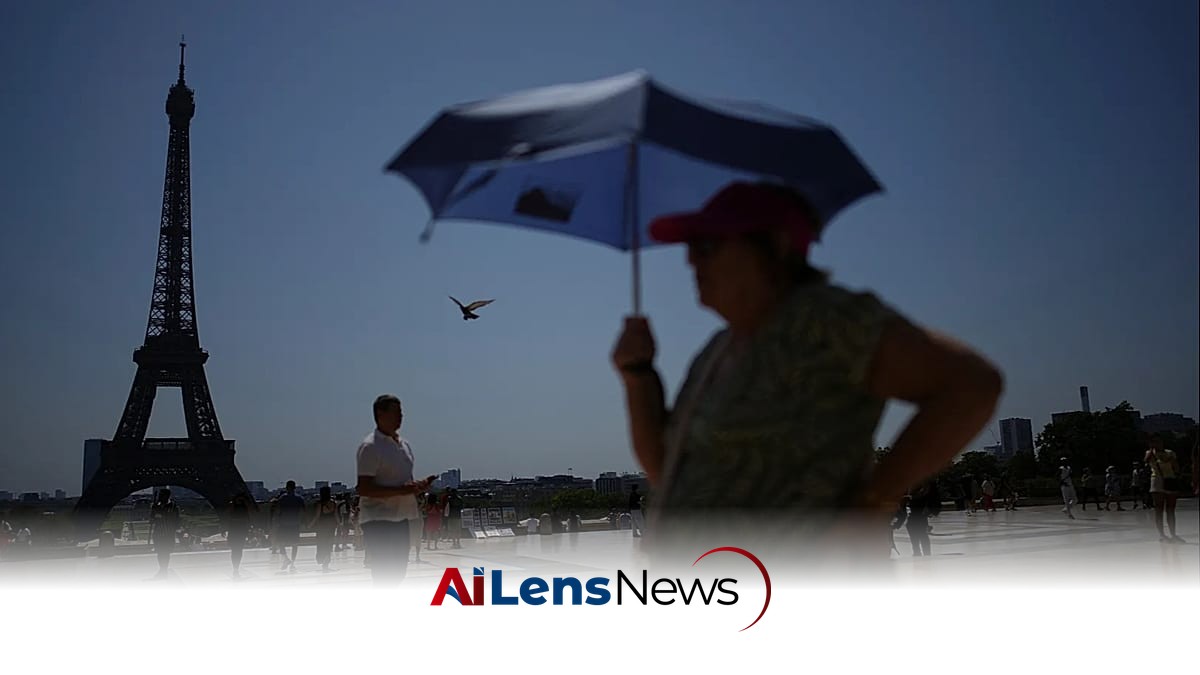


A red heat alert affects 24 departments in northwestern France, prompting early closures of major Paris landmarks amid soaring temperatures.
London, United Kingdom Jul 11, 2026 ALN: As another heatwave grips western Europe, Paris' iconic Eiffel Tower and the Louvre Museum will close early this weekend. The decision comes as temperatures are expected to soar, prompting authorities to take precautionary measures. Such closures are not uncommon during extreme weather events, as they aim to ensure the safety and comfort of both visitors and staff at these popular tourist destinations.
The Eiffel Tower announced it would "exceptionally close" at 4 PM on both Saturday and Sunday due to the high temperatures forecasted for the French capital. Similarly, the Louvre will follow suit, closing at the same time through to Monday. The Musée d'Orsay has also decided to close earlier, shutting its doors at 5 PM from Saturday through Wednesday. These adjustments reflect a growing trend among cultural institutions to adapt their operations in response to climate-related challenges. The adaptations are not only a response to immediate weather conditions but also a recognition of the longer-term impacts of climate change that affect tourism and public engagement with cultural heritage.
According to Météo-France, 24 departments across northwestern France are currently under a red heat alert, affecting over 22 million people. This alert indicates that the temperatures are not just high but could pose serious health risks, particularly to vulnerable populations, such as the elderly and those with pre-existing health conditions. Temperatures are predicted to reach between 35°C to 38°C, with some regions, such as Burgundy and Pays de la Loire, potentially hitting highs of up to 39°C. Such extreme temperatures can lead to heat exhaustion and heatstroke, conditions that can be life-threatening without prompt treatment. The health risks associated with extreme heat are compounded in urban areas, where concrete structures absorb and retain heat, creating urban heat islands that can elevate temperatures even further.
In anticipation of the annual Bastille Day celebrations on July 14, much of the country is also under an orange alert. This marks the third heatwave to hit France since May, prompting Paris Mayor Emmanuel Grégoire to convene a crisis meeting on Friday to prepare for the extreme weather. The repeated occurrence of heatwaves raises concerns about long-term climate trends and their implications for public health and infrastructure. The increasing frequency of these events highlights the need for cities to develop robust heat action plans that can be activated during such crises, ensuring that resources are allocated efficiently to protect the most vulnerable residents.
Grégoire stated that the city would extend its heatwave measures, which include longer hours for parks and swimming pools, additional drinking water stations, and increased support for vulnerable residents. These measures are critical in mitigating the effects of extreme heat, particularly in urban areas where the heat island effect can exacerbate temperatures. The initiative reflects a proactive approach by city officials to ensure that residents and visitors can find relief from the heat while also emphasizing the importance of hydration and safety during such weather conditions. Furthermore, the city has been working to improve public awareness about the risks associated with heatwaves, encouraging people to stay indoors during peak heat hours and to check on neighbors who may be at risk.
Meanwhile, Spain is also grappling with extreme temperatures, which have exacerbated one of the deadliest wildfires in the country’s history. In the southeastern province of Almería, at least 12 people have died, and over 1,400 have been evacuated due to the raging blaze, believed to have been sparked by a fallen power line. The combination of high temperatures and dry conditions creates a perfect storm for wildfires, which can spread rapidly and cause significant destruction to both the environment and human life. Spain's national weather agency AEMET has forecasted high temperatures across much of the Iberian Peninsula, with highs of 36°C to 38°C expected, further complicating firefighting efforts and recovery operations in affected areas. The situation is a stark reminder of the interconnectedness of climate conditions across Europe, where rising temperatures can lead to devastating consequences such as wildfires, flooding, and droughts.
In northern Italy, the situation is dire as water reserves are critically low, threatening agriculture. The River Po, Italy's longest river, is experiencing drought conditions, prompting the Po River District Basin Authority to label the situation as "critical." Drought not only affects water supply for drinking and sanitation but also has severe implications for agriculture, which relies heavily on consistent water availability for crop growth. Farmers face the prospect of reduced yields, which can lead to increased food prices and economic instability in rural areas. The agricultural sector is particularly vulnerable to climate change, as shifting weather patterns can disrupt planting and harvesting schedules, leading to further economic challenges.
As Europe faces these extreme weather conditions, the impact on daily life and safety continues to grow, highlighting the urgent need for effective climate action and preparedness. The frequency and intensity of heatwaves and other extreme weather events are expected to increase due to climate change, necessitating a reevaluation of urban planning, public health strategies, and emergency response systems. Governments and local authorities must invest in infrastructure improvements, such as enhancing green spaces that can help cool urban areas, and promoting public awareness campaigns about the importance of heat safety. Additionally, there is a need for investment in renewable energy sources and sustainable practices that can reduce the overall carbon footprint and mitigate the effects of climate change.
In addition to immediate responses, there is a broader conversation about climate resilience and adaptation strategies. This includes not only emergency measures during heatwaves but also long-term planning to mitigate the effects of climate change. Initiatives may include transitioning to renewable energy sources, improving water management systems, and investing in technology that can help predict and respond to extreme weather events more effectively. Urban planners are increasingly considering climate resilience in their designs, incorporating features like green roofs, permeable pavements, and urban forests to combat heat and manage stormwater.
The current heatwave serves as a stark reminder of the vulnerabilities that many regions face in the face of climate change. It underscores the need for collective action at local, national, and international levels to address the root causes of climate change and to implement adaptive strategies that can protect communities from its impacts. As the world grapples with these challenges, the experiences of cities like Paris, Madrid, and those in northern Italy can provide valuable lessons in resilience and adaptation. The need for collaboration among governments, scientists, and communities is more critical than ever to develop solutions that are effective and equitable, ensuring that all populations can thrive in an increasingly unpredictable climate.
To learn more about the latest developments in Science & Environment, stay updated with our exclusive reports and analyses on AiLensNews.

