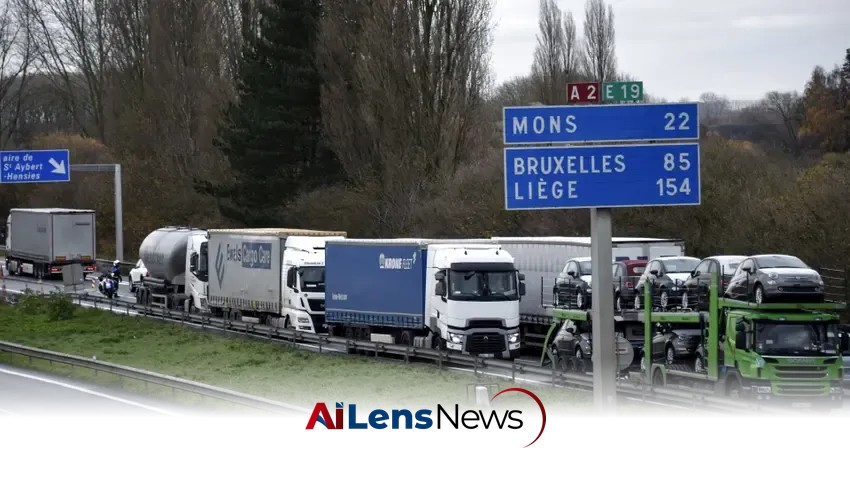


Belgium's regions will implement a road tax for foreign drivers starting May 2027, requiring vehicle registration and payment for highway use.
London, United Kingdom Jul 12, 2026 ALN: Belgium's three regions announced on Friday that they will introduce a road tax for foreign drivers transiting through the country, set to take effect on May 1, 2027. This decision marks a significant shift in the country's approach to highway usage, as it currently does not charge drivers for using its roads. The introduction of this tax is part of a broader trend within Europe, where various countries are increasingly looking to implement measures that not only generate revenue for infrastructure maintenance but also address environmental concerns associated with vehicular emissions.
The transport minister for the Wallonia region, Francois Desquesnes, emphasized the need for fairness, stating,
"Everyone who uses our roads must contribute fairly to their maintenance."
This statement underscores a growing sentiment among policymakers that the costs associated with road upkeep should not fall solely on local taxpayers. Instead, it reflects an acknowledgment that foreign drivers, who utilize Belgian roads without contributing to their maintenance through taxes, are benefiting from a public service funded by Belgian residents.
Under the new regulations, drivers will be required to register their vehicles and pay the road tax. The system is designed to be straightforward, with day passes available for those who are merely passing through the country. This approach aims to balance the need for revenue generation with the practical realities of international travel. The annual fee for a zero-emission vehicle will be set at €90 (approximately $103), while higher polluting vehicles will incur a fee of up to €125. This tiered structure not only incentivizes the use of greener vehicles but also aligns with broader European Union goals to reduce carbon emissions and combat climate change.
To enforce compliance, road cameras will monitor vehicles, and those caught without a valid pass will face a fine of €70. This enforcement mechanism raises questions about privacy and the potential for increased surveillance on public roads, which may be a concern for some civil liberties advocates. However, the government argues that such measures are necessary to ensure compliance and to maintain the integrity of the tax system.
The initiative has been a topic of debate for several years, as Belgium seeks to address the financial demands of road maintenance and environmental concerns. The nation has faced increasing pressure to modernize its infrastructure, with many roads in need of repair and upgrades. The costs associated with these improvements are substantial, and with traditional funding sources under strain, new revenue streams such as this road tax have become more appealing.
In the context of Belgium's transportation infrastructure, this tax can be seen as part of a larger strategy to promote sustainability and responsible usage of public resources. As European countries grapple with the dual challenges of maintaining aging infrastructure and meeting ambitious environmental targets, similar policies may emerge elsewhere. The introduction of a road tax for foreign drivers could serve as a model for other nations facing similar circumstances.
As the implementation date approaches, discussions around the impact of this tax on transit drivers and the broader implications for Belgium's transportation infrastructure are expected to intensify. Stakeholders, including transport associations, environmental groups, and international drivers, will likely voice their opinions on the fairness and practicality of the new regulations. For transit drivers, particularly those who frequently travel through Belgium, the new tax could represent a significant additional cost that might affect their travel plans and logistics.
Furthermore, the tax could have implications for cross-border trade and tourism, both of which are vital to Belgium's economy. If foreign drivers perceive the tax as excessive, it might deter them from using Belgian routes, potentially leading to shifts in traffic patterns. This could result in longer travel times and increased costs for businesses reliant on efficient logistics. On the other hand, if managed effectively, the revenue generated from the tax could be reinvested into improving road conditions and expanding public transport options, ultimately benefiting all road users.
Another dimension to consider is the environmental impact of the new tax structure. By imposing higher fees on polluting vehicles, the Belgian government aims to encourage a shift towards more sustainable transportation options. This aligns with the European Union's Green Deal, which seeks to make Europe the first climate-neutral continent by 2050. The road tax could thus be a stepping stone towards broader environmental reforms in the transportation sector, promoting electric vehicles and other green technologies.
In summary, the introduction of this road tax represents a notable change in Belgium's transportation policy, aiming to ensure that all users contribute to the upkeep of the country's roadways. As the date of implementation approaches, the government will need to address the concerns of various stakeholders, ensuring that the system is fair, efficient, and effective in achieving its intended goals. The successful rollout of this tax could set a precedent for other nations looking to balance infrastructure needs with environmental responsibilities, highlighting the complexities and challenges of modern transportation policy in a globalized world.
This initiative also comes at a time when many European nations are reevaluating their transportation policies in light of climate change and urbanization. Countries such as Germany, France, and the Netherlands have already implemented similar measures aimed at reducing congestion and emissions. These policies often include tolls, congestion charges, and taxes aimed at non-resident drivers, reflecting a growing recognition of the need for sustainable transport solutions.
Belgium's decision to implement a road tax for foreign drivers may also reflect the pressures faced by local governments to fund infrastructure projects amid rising costs and diminishing returns from traditional tax bases. With the increasing frequency of extreme weather events attributed to climate change, infrastructure resilience has become a priority for many governments, and funding these initiatives often requires innovative approaches to revenue generation.
Moreover, this tax could serve as a catalyst for discussions around broader transportation reforms in Belgium. The revenue generated from the road tax could be earmarked for enhancing public transport systems, encouraging cycling, and investing in pedestrian-friendly infrastructure. Such initiatives not only promote environmental sustainability but also improve the overall quality of life for residents.
As Belgium navigates this transition, the response from the driving public, especially international drivers, will be closely monitored. Feedback from road users will be crucial in fine-tuning the implementation of the tax system and ensuring that it meets its objectives without imposing undue burdens on those who travel through the country.
In conclusion, the introduction of a road tax for foreign drivers in Belgium signifies a pivotal moment in the evolution of the country's transportation policies. It encapsulates the delicate balance between economic viability, environmental stewardship, and social equity. As Belgium embarks on this new chapter, it will undoubtedly face challenges and opportunities that will shape its transportation landscape for years to come.
To learn more about the latest developments in Economy, stay updated with our exclusive reports and analyses on AiLensNews.

