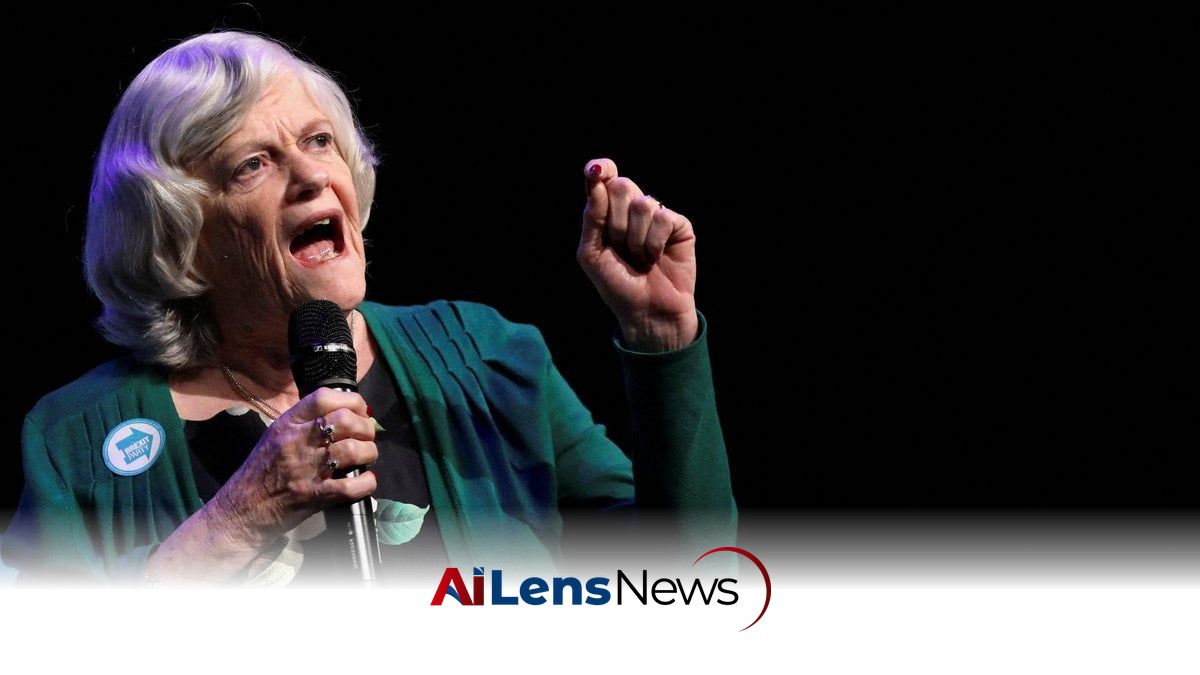


Police are continuing their investigation into the murder of Ann Widdecombe, found dead in her Devon home, but have not released suspect descriptions or CCTV footage.
London, United Kingdom Jul 11, 2026 ALN: Police are currently engaged in a manhunt following the tragic death of former Tory minister Ann Widdecombe, who was discovered dead at her remote Dartmoor home. The police have confirmed that she was attacked approximately 24 hours before her body was found, raising serious concerns about the circumstances surrounding her death. The investigation has drawn significant media attention, not only due to Widdecombe's prominence as a former politician but also because of the unsettling nature of the crime itself.
Authorities arrested a 26-year-old man on suspicion of murder on July 10, but he has since been released and is no longer considered a suspect. The swift release of this individual has left many questions unanswered, particularly regarding the evidence that led to his initial arrest. As the investigation progresses, police have indicated they are searching for a white male but have made the controversial decision not to disclose further details, including descriptions of potential suspects or any available CCTV footage. This lack of transparency has sparked debate among the public and media about the balance between operational security and the right to information.
The 78-year-old politician was found with serious injuries at her property in Haytor on Thursday morning, prompting a murder inquiry. Channel 5 presenter Dan Walker noted that Widdecombe was expected to appear on the show just days before her death but failed to respond to messages, adding to the mystery of her untimely demise. The fact that she was a public figure, known for her outspoken views, has only intensified the media scrutiny surrounding her death.
In a show of respect, Reform leader Nigel Farage visited Dartmoor National Park to lay flowers outside Widdecombe's home, honoring her legacy. Farage's gesture reflects the deep respect many held for Widdecombe, despite their political differences, and highlights the impact her death has had on the political community. Widdecombe was known not only for her political career but also for her strong opinions on various social issues, which often placed her at the center of public debate.
Ann Widdecombe entered parliament in 1987 as the Conservative MP for Maidstone after previously failing to secure seats in Burnley and Plymouth. Known for her socially conservative views, she served as a junior minister during John Major's government and later as an immigration and justice spokesperson for Reform UK. Her political journey included roles as Home Office Secretary from 1995 to 1997 and Shadow Home Secretary from 1999 to 2000. Widdecombe left parliament in 2010, becoming a prominent Eurosceptic and supporting the Vote Leave campaign during the 2016 Brexit referendum. She was also a member of the Brexit Party and served as an MEP representing South West England from 2019 to 2020.
Throughout her career, Widdecombe was known for her bluntness and socially conservative stances, including opposition to abortion and the equalization of the age of consent for homosexual and heterosexual relationships. She controversially defended a policy of shackling pregnant prisoners during childbirth and expressed views on single mothers that many found contentious. Widdecombe's strong opinions and willingness to speak her mind made her a polarizing figure in British politics, earning her both staunch supporters and vocal critics. Her legacy includes not only her political contributions but also the conversations she sparked around sensitive social issues.
Devon and Cornwall police have stated that they will not release further information about potential suspects or CCTV footage, citing concerns that doing so could compromise ongoing investigations. Assistant Chief Constable Matt Longman explained that the decision was made on an operational basis and emphasized the importance of not speculating on social media. This decision has drawn mixed reactions from the public, with some understanding the need for caution while others feel it undermines public trust. The balance between transparency and investigative integrity is a complex issue that law enforcement agencies frequently navigate.
Longman stated, “Releasing such information prematurely could compromise ongoing enquiries and may prejudice future investigative opportunities.” He urged the public to refrain from speculation and to report any relevant information through official channels. The police's approach underscores the delicate balance law enforcement must maintain between transparency and the integrity of an investigation, especially in high-profile cases that attract significant public interest.
As the investigation unfolds, police have expressed their condolences to Widdecombe's family and friends, who are being supported by specialist officers during this difficult time. The emotional toll of such a loss is profound, not only for her loved ones but also for the community that respected her contributions to public life. The impact of her death is felt widely, as she was a figure who, despite her controversial views, contributed to the political landscape of the UK for decades.
In the wake of Widdecombe's death, various public figures and commentators have expressed their condolences. Political commentator Adam Boulton faced backlash for his remarks describing her as a “spinster” and an “old maid,” later apologizing for his insensitivity. This incident highlights the ongoing challenges of gendered language in public discourse, particularly when discussing the lives of women in politics. The response to Boulton's comments reflects broader societal issues regarding the treatment of women in the public eye, especially those who have held significant positions of power.
Additionally, the family of murdered MP Jo Cox paid tribute to Widdecombe, with her husband Brendan Cox reflecting on the pain of losing a public servant who dedicated herself to her constituents. This poignant connection between the two women, both of whom faced violence in relation to their political roles, serves as a reminder of the risks that public figures can face in their line of work. The tribute underscores the solidarity among those who have experienced loss in the political arena, highlighting the need for greater awareness of the dangers faced by elected officials.
Nigel Farage has suggested that the murder may have been premeditated, stating that the circumstances surrounding the attack do not align with a typical burglary. However, police have reiterated their request for the public to avoid speculation that could hinder the investigation. The implications of such remarks are significant, as they may influence public perception and media narratives surrounding the case. The notion of premeditation raises questions about the motivations behind the attack and the safety of public figures in a climate where political tensions are often heightened.
As the community mourns the loss of Ann Widdecombe, police continue their efforts to uncover the truth behind her tragic death, urging anyone with information to come forward. The investigation not only seeks justice for Widdecombe but also aims to address broader societal concerns regarding safety and violence against public figures. The outcome of this case may have lasting implications for public trust in law enforcement and the political landscape in the UK. The need for effective measures to protect public officials and ensure their safety is more pressing than ever, as the lines between political discourse and personal safety continue to blur in an increasingly polarized environment.
To learn more about the latest developments in Crime & Law, stay updated with our exclusive reports and analyses on AiLensNews.

