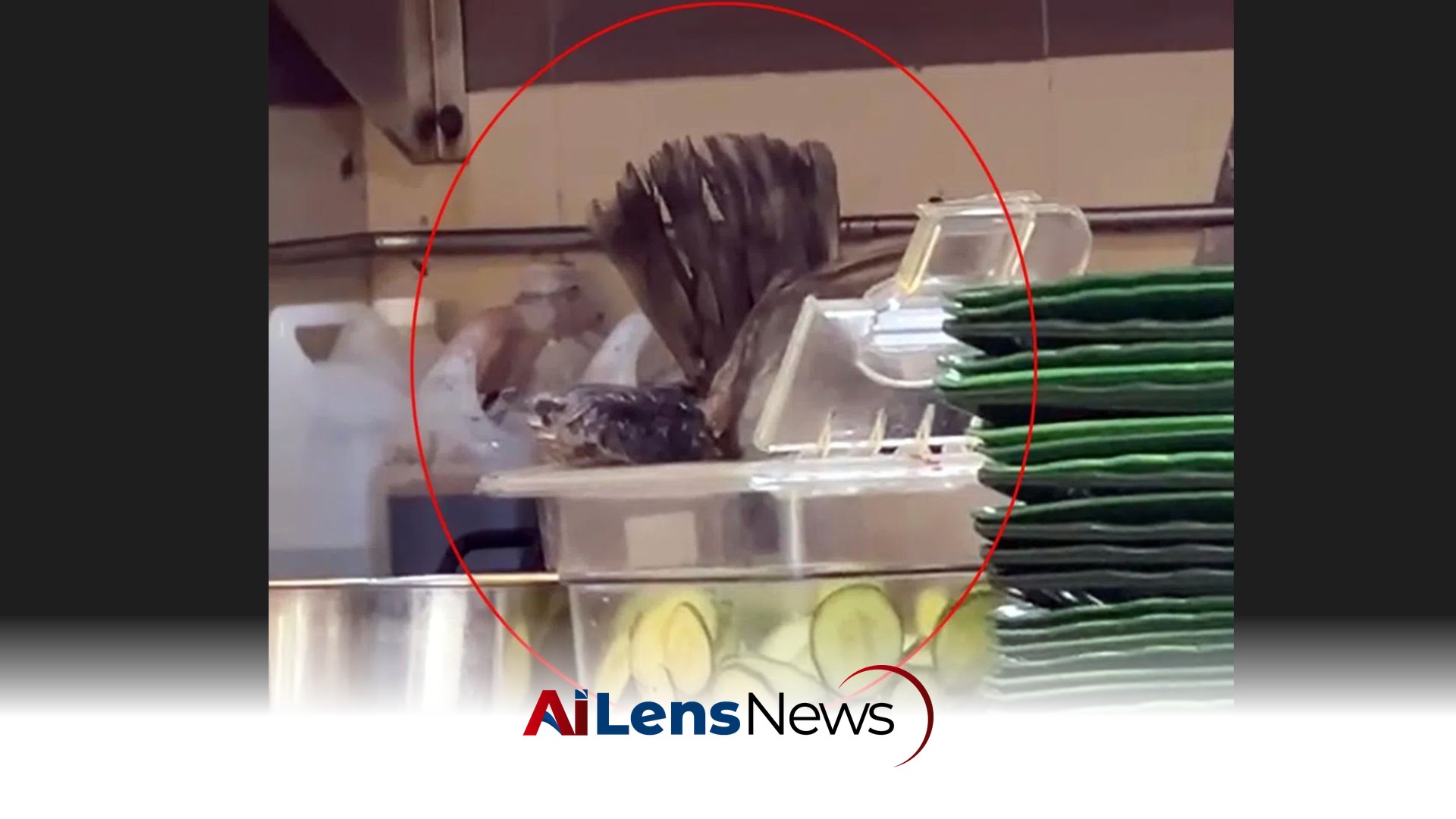


A diner expressed disgust after witnessing a bird peck at cucumbers in a nasi lemak stall, only for the staff to serve the same cucumbers to customers.
Singapore, Singapore Jul 12, 2026 ALN: A diner has raised hygiene concerns after claiming she saw a bird fly into a nasi lemak stall, peck at the cucumbers, and later watched the same cucumbers being served to customers.
According to Shin Min Daily News, the incident took place at a nasi lemak stall in Jalan Besar, a bustling area known for its rich culinary heritage and diverse food offerings. Nasi lemak, a traditional Malay dish, is beloved in Singapore and typically consists of rice cooked in coconut milk, served with a variety of accompaniments including fried chicken, sambal, and cucumber slices. The dish is often enjoyed by locals and tourists alike, making food hygiene in these stalls a significant concern for both patrons and operators.
The witness, who has not been named, reported that she and her colleagues were enjoying their lunch when they noticed a bird fly into the stall in search of food. This incident raises broader questions about the challenges of maintaining hygiene in outdoor and semi-outdoor food stalls, which are common in Singapore due to the tropical climate. The warm weather often attracts various wildlife, including birds, which can pose a risk to food safety.
According to the witness, the bird pecked at the cucumbers, which had been prepared as an ingredient for customers’ orders. At the time, the stall’s employees were outside as there were no customers present. This gap in supervision highlights a potential vulnerability in food safety practices, particularly in stalls that may experience fluctuating customer traffic. The stall's employees only became aware of the bird's presence after it had already interacted with the food items.
A short while later, the employees noticed the bird and chased it away. However, the witness alleged that when a customer came to place an order soon after, the staff did not discard the cucumbers that the bird had touched. Instead, they continued using them while preparing and serving the food. This part of the incident raises serious concerns about the training and awareness of food safety protocols among food stall staff. Proper training in hygiene practices is essential for ensuring that food is safe for consumption, especially in environments where wildlife may pose a risk.
The witness expressed her outrage, stating that she found the incident “very unhygienic,” adding that birds may carry germs and bacteria on their feathers and bodies. The potential health risks associated with consuming food that has been contaminated by birds cannot be overlooked. Numerous studies have shown that birds can carry pathogens that may lead to foodborne illnesses, which can be particularly dangerous for vulnerable populations, including children, the elderly, and those with compromised immune systems.
When contacted, the stall’s management acknowledged the bird issue and stated that they have been taking steps to prevent similar incidents from happening again. This response indicates that the management is aware of the importance of maintaining hygiene standards and is willing to take corrective actions. The stall manager also mentioned that they would continue improving their practices to better serve customers, which may include additional training for staff, implementing stricter hygiene protocols, and possibly enhancing physical barriers to prevent birds from entering the stall.
This incident is not isolated, as it reflects a growing concern regarding birds and hygiene in various dining establishments across Singapore. Recently, visitors to Singapore General Hospital complained after spotting birds lingering around the dish return area at the hospital’s food court. This situation underscores the challenges faced by food service providers in urban environments where wildlife encounters are common. The presence of birds in areas where food is served can lead to public health concerns, especially in places frequented by individuals who may be more susceptible to illness.
One member of the public noted that several birds were hovering around the tray return area, raising concerns as patients, visitors, and staff continued using the food court. The potential for cross-contamination in such settings is a significant worry, prompting calls for better management of the environment to ensure safety. The person suggested installing automatic doors and cleaning the dish return area more frequently to keep birds away. These recommendations highlight practical solutions that could help mitigate the risks associated with wildlife encounters in food service environments.
The implications of such incidents extend beyond immediate health concerns. They can affect public perception of food safety in Singapore, a nation that prides itself on its high standards of cleanliness and hygiene. The tourism industry, which heavily relies on the reputation of local food offerings, could also be impacted if such incidents become more frequent or widely reported. Maintaining the integrity of food safety standards is crucial for both local residents and the influx of tourists who seek authentic culinary experiences in Singapore.
In conclusion, the incident at the nasi lemak stall serves as a reminder of the ongoing challenges faced by food vendors in ensuring hygiene in the presence of wildlife. It underscores the need for continuous training and awareness among food stall employees, as well as the importance of implementing effective measures to prevent such occurrences. As Singapore continues to navigate the complexities of urban wildlife interactions, both food safety authorities and vendors must work collaboratively to uphold the high standards that the nation is known for, ensuring that all diners can enjoy their meals with confidence in their safety.
Furthermore, this situation has prompted discussions among food safety experts regarding the need for more stringent regulations and better enforcement of existing hygiene standards in food stalls. Experts argue that while food vendors are responsible for maintaining cleanliness, the government also plays a crucial role in ensuring that food safety regulations are adequately enforced.
In light of this incident, some food safety advocates have called for more public awareness campaigns to educate both vendors and consumers about the risks associated with wildlife encounters in dining environments. They emphasize the importance of understanding that while enjoying local cuisine, diners must also be vigilant about food safety practices.
Moreover, as Singapore continues to develop its urban landscape, the interaction between wildlife and human activities will likely become more pronounced. This highlights the necessity for innovative solutions to mitigate risks, such as designing food stalls with better ventilation and barriers that deter birds and other animals from accessing food preparation areas.
Ultimately, the goal is to create a safe dining environment that upholds the high standards of hygiene that Singapore is known for, while also respecting the coexistence of wildlife in urban settings. This incident serves as a catalyst for necessary discussions and actions that could lead to improved food safety practices, benefiting both the public and food vendors in the long run.
To learn more about the latest developments in Health & Public Safety, stay updated with our exclusive reports and analyses on AiLensNews.

