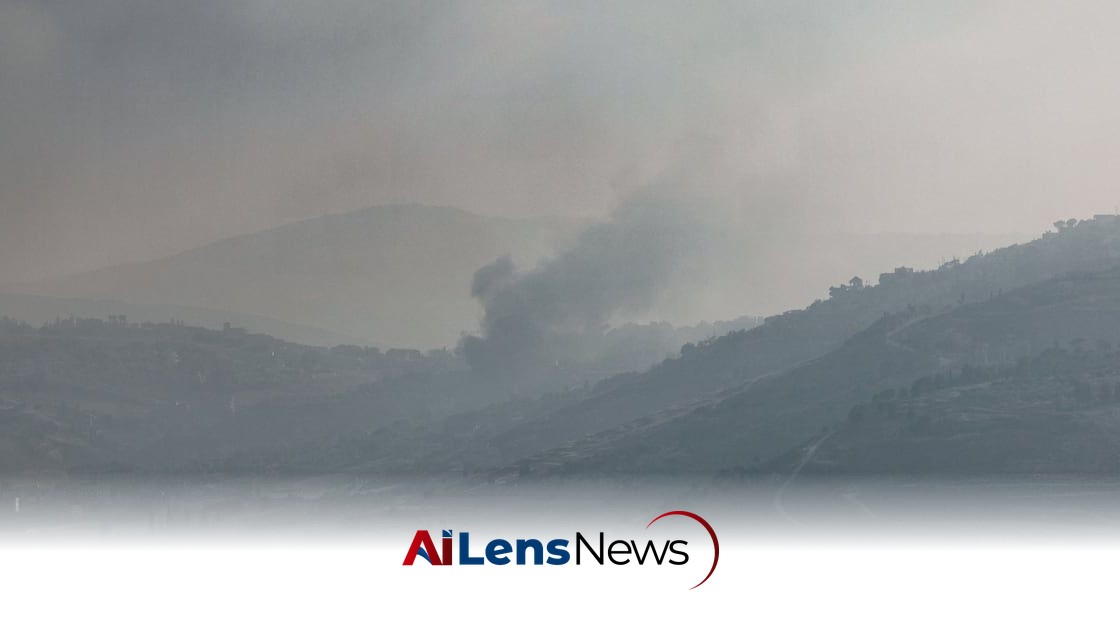


Intense Israeli military actions in southern Lebanon raise concerns as a US-brokered withdrawal plan looms.
Riyadh, Saudi Arabia Jul 12, 2026 ALN: The situation in southern Lebanon has been escalating dramatically in recent days, marked by extensive military actions from Israel and a tense backdrop of geopolitical negotiations. The Israeli military's recent shelling of the town of Deir Seryan on Friday represents a continuation of hostilities that have characterized the region for decades. This latest offensive comes on the heels of demolitions in the nearby town of Khiam, further complicating an already fraught landscape.
Reports indicate that the shelling in Deir Seryan was accompanied by a series of explosions in Khiam, a town that has historically played a pivotal role in the Israeli-Hezbollah conflict. The Lebanese National News Agency has documented the significant impact of these attacks, noting that the explosions reverberated throughout surrounding areas, instilling fear among local populations and raising concerns about civilian safety and infrastructure. The intensity of the shelling has led to many families fleeing their homes, deepening the humanitarian crisis in a region already burdened by years of conflict.
Israel's military operations in southern Lebanon have long been a point of contention, with the Israeli government asserting that its actions are aimed at dismantling Hezbollah infrastructure. However, these military operations often result in the destruction of civilian homes and critical infrastructure, leading to widespread condemnation from various international bodies and humanitarian organizations. The demolition of properties and the aggressive military presence in southern Lebanon have exacerbated the humanitarian crisis in the region, displacing families and creating an atmosphere of uncertainty and fear. The ongoing conflict has also hindered economic development and recovery efforts in southern Lebanon, where many communities struggle to rebuild after years of violence.
The town of Khiam holds significant historical and symbolic weight, particularly for Hezbollah, which views the area as a stronghold. Khiam was the site of a notorious prison during the Lebanese Civil War, where many were subjected to brutal treatment under the Israeli occupation and its local allies. The prison's legacy has made the town a focal point in the narratives of both Hezbollah and the broader Lebanese populace, symbolizing resistance against foreign occupation. The recent Israeli military operations have not only targeted military assets but have also sought to erase the physical reminders of this tumultuous history, as seen in the leveling of the former prison site. This act has sparked outrage among many Lebanese, who feel that their historical narrative is being attacked, further inflaming tensions between the communities involved.
Despite ongoing military actions, there have been discussions regarding a potential withdrawal of Israeli forces from certain areas of southern Lebanon. The Israeli military has yet to initiate the withdrawal process from two designated pilot zones, despite an agreement established between Israel and Lebanon that would facilitate the Lebanese army's assumption of control in these areas. This framework, brokered by the United States, aims to stabilize the region and reduce tensions, but the reality on the ground paints a different picture. Many analysts have expressed skepticism about the viability of such agreements, noting that past ceasefires and peace accords have often collapsed amid renewed violence.
According to US officials, the first pilot zone is expected to be operational in the near future, with plans for additional zones to follow. This initiative is seen as a crucial step towards re-establishing Lebanese sovereignty in the south and reducing the military footprint of Israel in the region. However, skepticism remains regarding the feasibility of these plans, especially in light of the ongoing violence and the entrenched positions of both Israeli and Hezbollah forces. The potential for miscommunication or miscalculation in such a tense environment poses a significant risk to the proposed withdrawal and stabilization efforts.
The arrival of a US military delegation in Beirut, as announced by Michel Issa, the US ambassador to Lebanon, is intended to assist in the establishment of these pilot zones. The involvement of the US highlights the international dimension of the conflict, as regional stability is of paramount interest not only to Lebanon and Israel but also to global powers with vested interests in the Middle East. The success of this initiative could serve as a model for future negotiations, but it is contingent upon a cessation of hostilities and a commitment from both sides to engage in good faith. The role of external actors, including the US, in mediating and facilitating discussions is critical, given the historical complexities and deep-seated animosities that characterize Lebanese-Israeli relations.
On the Lebanese side, President Joseph Aoun has been actively engaged in discussions regarding the security situation with army commander General Rodolphe Haykal. Their talks have centered on the implications of Israeli attacks and the broader security environment in Lebanon, particularly in the south. The Lebanese presidency has underscored the importance of preparing the Lebanese army to take control of areas from which Israeli forces would withdraw, indicating a readiness to assert national sovereignty and maintain stability. This preparation is crucial, as the Lebanese army has historically been viewed as a weaker force compared to Hezbollah, which has a strong military presence in the region.
The implications of these developments are profound, as they could reshape the security landscape in southern Lebanon. A successful implementation of the pilot zones could pave the way for further negotiations and potentially lead to a more comprehensive peace agreement. However, the reality of ongoing military actions complicates these efforts and raises questions about the commitment of both parties to adhere to the agreed framework. Furthermore, the internal dynamics within Lebanon, including the influence of Hezbollah and other political factions, will play a significant role in determining the outcome of any agreements reached.
The humanitarian impact of the conflict cannot be overlooked. The destruction of homes and infrastructure not only displaces families but also undermines the efforts of humanitarian organizations working to provide relief to affected populations. As the situation continues to evolve, the international community is called upon to address the immediate needs of those caught in the crossfire while also advocating for a sustainable resolution to the underlying issues that fuel the conflict. Humanitarian organizations have reported increasing difficulties in accessing affected areas due to ongoing hostilities, further complicating relief efforts and exacerbating the suffering of civilians.
In conclusion, the escalating tensions in southern Lebanon amid Israeli attacks highlight the fragility of the region's security landscape. The interplay between military actions, historical grievances, and diplomatic negotiations creates a complex environment that requires careful management. As stakeholders navigate this challenging terrain, the hope remains that a path towards peace and stability can be forged, benefiting not only Lebanon and Israel but also the broader Middle East region. The international community's involvement, coupled with genuine efforts from local actors to address the root causes of the conflict, will be essential in moving towards a more peaceful and stable future for southern Lebanon.
To learn more about the latest developments in World News & International Affairs, stay updated with our exclusive reports and analyses on AiLensNews.

