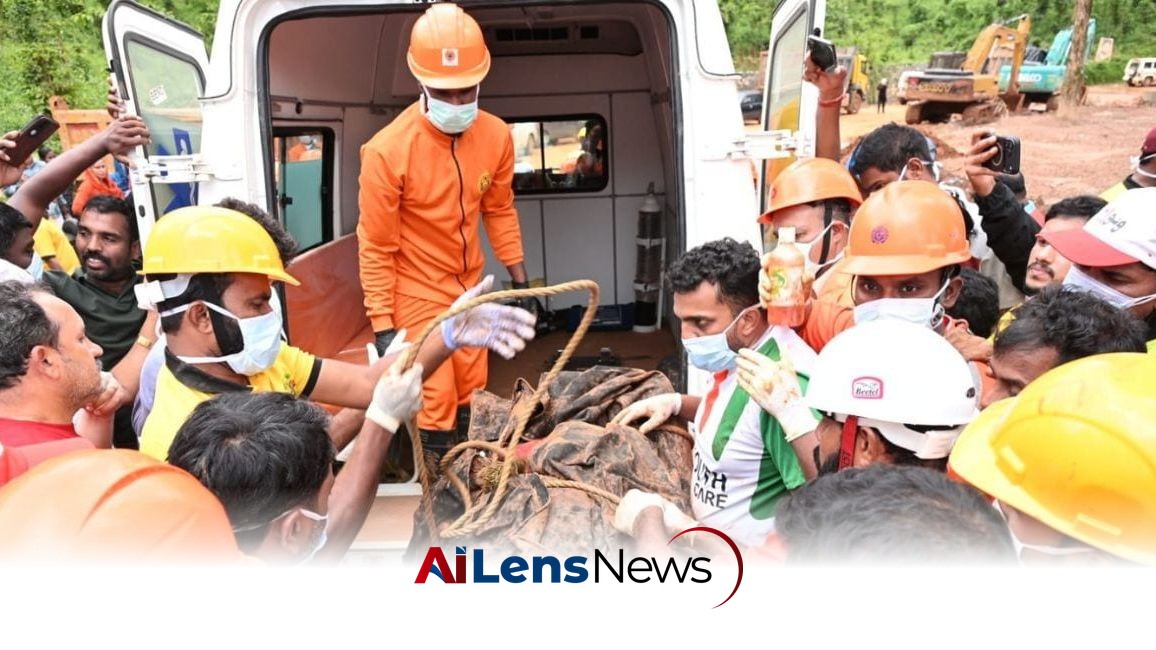


The body of Vikram Rana, the last missing construction manager, has been recovered, raising the death toll from the Wayanad landslip to eight.
Doha, Qatar Jul 12, 2026 ALN: Wayanad: The tragic landslip that occurred at Kalladi in Wayanad has claimed the lives of eight workers, with the final victim, Vikram Rana, a construction site manager, being recovered on Sunday. Rana had been missing since the catastrophic event, which took place on July 7, during the construction of the Anakkampoyil–Kalladi twin-tunnel project.
Vikram Rana, originally from Himachal Pradesh, was employed by Dilip Buildcon Ltd, a prominent infrastructure development company in India. His role as a site manager was critical, overseeing the construction activities at one of the state’s significant infrastructure projects aimed at improving connectivity in the region. The landslip not only resulted in the loss of skilled workers but also highlighted the inherent risks associated with large-scale construction projects in hilly terrains.
The devastating landslip occurred when heavy rains saturated the soil, leading to a massive collapse that buried both workers and heavy machinery under layers of mud and debris. Initial reports indicated that three workers died in the immediate aftermath of the landslide, while five others were initially reported missing. The search efforts that followed were marked by urgency and desperation, as the families of the missing workers awaited news of their loved ones.
As the search and rescue operations unfolded, nine additional workers were reported injured, further underscoring the dangers faced by those working in construction, particularly in areas prone to landslides and other natural disasters. The Kerala State Disaster Management Authority took swift action by deploying over 100 personnel to the site. This included teams from the National Disaster Response Force (NDRF), local Fire and Rescue Services, and other experienced volunteer rescuers.
The search operation faced significant challenges due to the difficult terrain and the ongoing threat of further landslips. Thick layers of mud, rocks, and construction debris created hazardous conditions for rescue personnel. Intermittent rain added to the difficulties, as it not only complicated the terrain but also raised concerns about further instability in the area. Rescue teams worked tirelessly for several days, employing heavy machinery and manual labor to sift through the debris in hopes of finding survivors or recovering the bodies of those missing.
With the recovery of Vikram Rana's body, officials have declared the search operation officially concluded. His body is scheduled to be handed over to his family on Monday following a postmortem examination at the Government Medical College Hospital in Kozhikode. This process is standard protocol in such cases, allowing for a thorough examination to determine the cause of death and ensure that all necessary legal procedures are followed.
In the aftermath of the landslip, State Police Chief Ravada Chandra Sekhar visited the disaster site to assess the situation and review the rescue efforts. His visit included meeting with the family members of the deceased workers, offering condolences and support during this tragic time. Such visits by high-ranking officials are crucial as they not only provide a sense of solidarity to the affected families but also signal the government’s commitment to addressing the consequences of such disasters.
The implications of this tragedy extend beyond the immediate loss of life. It raises critical questions about safety protocols in construction projects, especially in regions vulnerable to natural disasters. The Anakkampoyil–Kalladi twin-tunnel project is part of a broader initiative to enhance transportation infrastructure in Kerala, which has been facing challenges due to its unique geography. However, the risks associated with such projects must be carefully managed through rigorous safety standards and disaster preparedness strategies.
In light of this incident, it is essential for construction companies, local governments, and regulatory bodies to review and strengthen safety measures. This includes conducting thorough geological assessments before commencing work in vulnerable areas, implementing real-time monitoring systems for weather and soil conditions, and ensuring that all workers are adequately trained in emergency response protocols.
The Wayanad landslip tragedy serves as a somber reminder of the potential dangers faced by workers in the construction industry, particularly in regions prone to landslides. As recovery efforts conclude, it is crucial for stakeholders involved in infrastructure development to prioritize the safety and well-being of workers to prevent such tragedies in the future.
As the families of the victims begin to cope with their losses, community support and government assistance will be vital in helping them navigate this difficult time. The emotional and psychological toll of such disasters can be profound, and providing adequate resources for grief counseling and support services will be essential in the coming weeks and months.
In conclusion, the Wayanad landslip tragedy is a stark reminder of the risks associated with construction work in challenging environments. It underscores the need for comprehensive safety measures and disaster preparedness to protect workers and prevent future incidents. As the state mourns the loss of eight lives, it must also reflect on the lessons learned from this tragedy to ensure that such a devastating event does not occur again.
In addition to the immediate implications for safety protocols, this incident raises broader questions about the regulatory framework governing construction projects in India. The construction industry has been under scrutiny for its safety practices, particularly in regions like Kerala, where the topography and weather patterns can create hazardous conditions. The government may need to consider implementing stricter regulations and oversight to ensure that all construction activities adhere to the highest safety standards.
Moreover, the role of local communities in disaster preparedness and response cannot be overlooked. Engaging local populations in safety training and awareness programs can enhance resilience against such disasters. Communities that are better prepared can respond more effectively, potentially saving lives and reducing the impact of similar incidents in the future.
As the investigation into the landslip continues, it is important for all stakeholders, including construction companies, government agencies, and community organizations, to collaborate in developing a comprehensive approach to disaster risk reduction. This includes not only improving construction practices but also investing in infrastructure that can withstand natural disasters, such as improved drainage systems and retaining walls in vulnerable areas.
In summary, the Wayanad landslip tragedy serves as a wake-up call for the construction industry and government authorities. It is a reminder of the need for a proactive approach to safety and disaster management, particularly in regions susceptible to natural hazards. The loss of eight lives is a tragic outcome that must not be repeated, and it calls for a collective commitment to ensuring the safety of workers and the communities they serve.
To learn more about the latest developments in Crime & Law, stay updated with our exclusive reports and analyses on AiLensNews.

