

The US Central Command has conducted its third round of strikes against Iran, targeting 140 military sites in response to threats to commercial vessels in the Strait of Hormuz.
Doha, Qatar Jul 12, 2026 ALN: The US Central Command (CENTCOM) has announced the completion of its third round of strikes against Iran this week, targeting approximately 140 Iranian military sites. This action is a direct response to a series of attacks on commercial vessels in the strategic Strait of Hormuz, a vital maritime corridor that is crucial for global oil transportation. The Strait of Hormuz is one of the world’s most important chokepoints, with a significant percentage of the world's oil supply passing through it.
The recent escalation in military actions follows a concerning trend of hostilities in the region, particularly aimed at commercial shipping. Various incidents have raised alarms about the safety of maritime navigation in the area, prompting the US to take decisive measures to safeguard international trade routes. The US has expressed its commitment to ensuring the safety and security of vessels operating in international waters, particularly in light of Iran's ongoing military activities and threats against shipping lanes.
CENTCOM reported that US forces utilized precision munitions launched from a combination of land- and sea-based fighter aircraft, drones, and naval vessels. The strikes focused on various Iranian military assets, including missile and drone facilities, naval capabilities, ammunition storage sites, communication networks, and coastal surveillance locations. This multifaceted approach underscores the US military's capabilities in executing complex operations aimed at degrading Iran's military infrastructure.
Get updated faster and for FREE: Download the Gulf News app now.
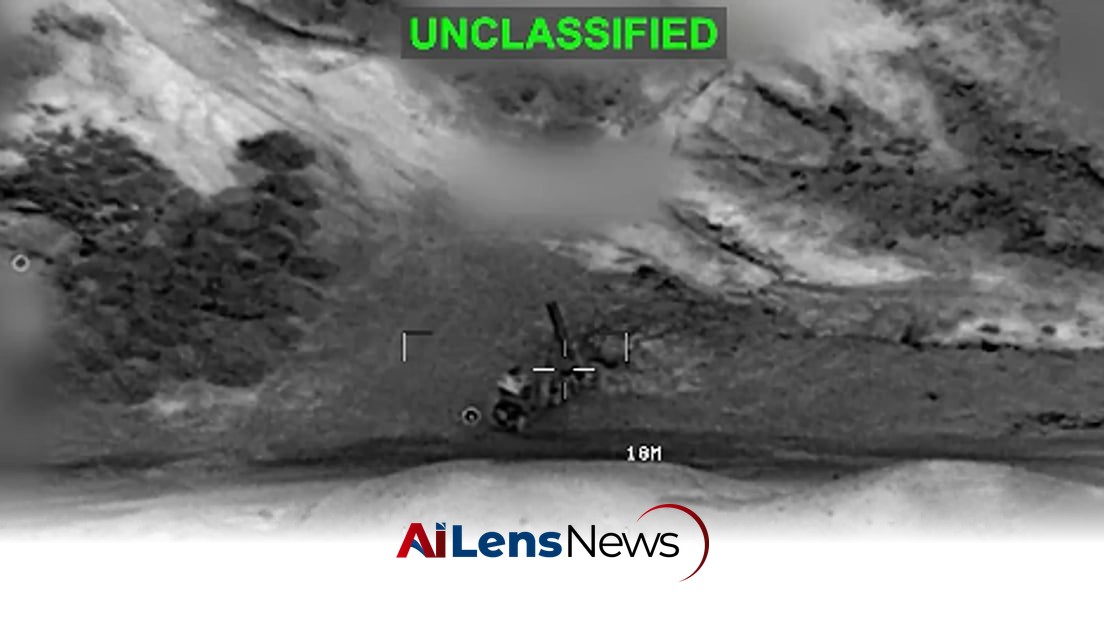
The command has also released video footage showcasing the latest strikes, illustrating the precision of the attacks on Iranian military sites. The footage captures US forces executing operations using advanced munitions from multiple platforms, emphasizing the technological superiority of the US military. The release of such footage serves not only to inform the public but also to send a message to both allies and adversaries regarding the US's military capabilities and resolve.
According to CENTCOM, US forces have successfully struck over 300 targets during three consecutive nights of operations. This initiative aims to diminish Iran's capacity to launch attacks against civilian mariners and commercial vessels navigating through the vital waterway. By targeting key military assets, the US aims to disrupt Iran's operational capabilities and deter further aggression in the region.
The strikes represent a significant escalation in US military involvement in the Middle East, particularly in relation to Iran. The ongoing tensions between the two nations have deep historical roots, stemming from a myriad of geopolitical issues, including Iran's nuclear program, its support for proxy groups in the region, and its adversarial stance towards US interests and allies. The current military actions can be seen as part of a broader strategy to counter Iranian influence and assert US dominance in the region.
Despite the military actions, CENTCOM emphasized that commercial shipping remains active in the Strait of Hormuz. US forces have facilitated the transit of more than 800 commercial vessels and 400 million barrels of crude oil since early May, ensuring the flow of trade continues. This commitment to maintaining open shipping lanes is crucial for global economic stability, as disruptions in the Strait of Hormuz could lead to significant fluctuations in oil prices and broader economic implications worldwide.
The US military's presence in the region is not just a reactive measure; it is also a proactive strategy aimed at deterring potential aggressors. The US has a long-standing naval presence in the Persian Gulf, which serves as a deterrent against hostile actions from Iran and other regional actors. The US Navy routinely conducts patrols and exercises in the area to ensure freedom of navigation and to reassure allies of its commitment to regional security.
The implications of these military strikes extend beyond immediate tactical advantages. They may also influence diplomatic relations in the region, as nations assess the US's willingness to engage in military action. Allies may view the US's decisive actions as a reaffirmation of its commitment to regional security, while adversaries may perceive it as an escalation that could lead to further conflict.
Iran has responded to these military operations with strong rhetoric, vowing retaliation for what it perceives as aggression. The Iranian government has historically positioned itself as a defender of regional sovereignty and has warned that it will respond to any perceived threats against its interests. This cycle of retaliation and counter-retaliation raises concerns about the potential for a broader conflict that could draw in multiple regional and global powers.
The ongoing situation in the Strait of Hormuz highlights the delicate balance of power in the Middle East. As military actions unfold, the international community watches closely, aware that any miscalculation could lead to significant geopolitical consequences. The US's approach to Iran will likely continue to evolve as it seeks to navigate the complex landscape of Middle Eastern politics, balancing military readiness with diplomatic efforts to stabilize the region.
In conclusion, the recent strikes by US forces against Iranian targets represent a significant escalation in military engagement in response to threats against commercial shipping in the Strait of Hormuz. As tensions remain high, the implications of these actions will be felt not only in the immediate region but also across global markets and international relations. The situation continues to develop, and the potential for further military engagement remains a pressing concern for policymakers and military strategists alike.
To learn more about the latest developments in World News & International Affairs, stay updated with our exclusive reports and analyses on AiLensNews.

