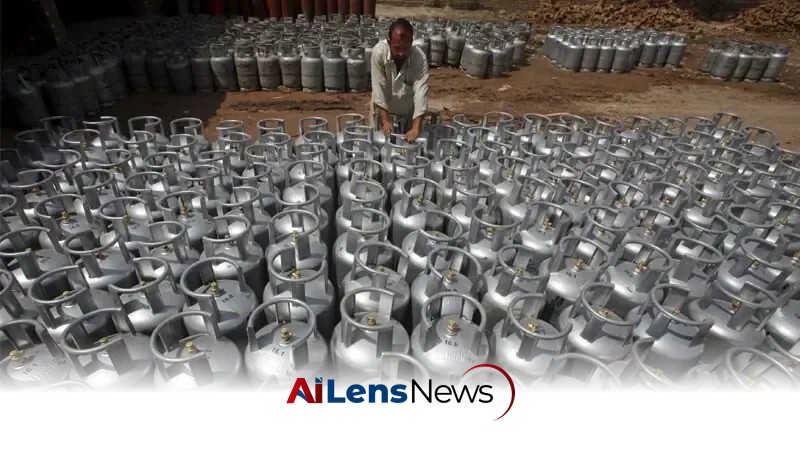


The LPG Importers Association of Pakistan has issued a warning about a potential nationwide shortage of liquefied petroleum gas, urging immediate government intervention.
Islamabad, Pakistan Jul 12, 2026 ALN: The LPG Importers Association of Pakistan (LPGIAP) on Sunday warned of a “serious” nationwide shortage of liquefied petroleum gas (LPG) in the next two to three days if the government did not immediately intervene. This alarming statement reflects a growing concern within the energy sector of Pakistan, which is already facing multiple challenges, including increasing demand and fluctuating international prices.
The LPGIAP, which represents various stakeholders in the liquefied petroleum gas industry, has raised an urgent flag regarding the potential for significant disruptions in the supply chain. In a letter addressed to Petroleum Minister Ali Pervaiz Malik, LPGIAP Chairman Sheikh Mukarram Waheed articulated the gravity of the situation, urging for immediate government action to avert a crisis that could impact millions of households and businesses across the country.
The energy sector in Pakistan has been under strain for several years, grappling with issues such as energy shortages, reliance on imported fuels, and the need for infrastructural upgrades. The LPG market is particularly sensitive to global price fluctuations, and any misalignment between local pricing mechanisms and international costs can lead to severe repercussions for both suppliers and consumers. The current warning from the LPGIAP comes amidst these ongoing challenges, highlighting the precarious balance that must be maintained to ensure a stable energy supply.
In their communication, the LPGIAP emphasized the necessity for an emergency meeting involving all relevant stakeholders to address critical concerns regarding the existing LPG pricing mechanism. The pricing structure is vital for the sustainability of the LPG market, as it directly affects not only the importers and retailers but also the end consumers who rely on LPG for cooking, heating, and other essential activities.
The letter stated, "The LPG price notified by the Oil and Gas Regulatory Authority (Ogra) on June 30, 2026, does not accurately reflect the actual landed cost of imported LPG." This discrepancy has raised alarms among importers, who argue that the current pricing structure fails to consider various factors that significantly influence the cost of LPG, such as international market trends, freight charges, and currency exchange rates.
Moreover, the letter pointed out that the rising costs associated with port handling fees, inland transportation, financing costs, and other operational expenses have pushed import costs well above the notified selling price. As a result, importers are facing heavy financial losses on every cargo they bring in, a situation that is unsustainable in the long run. This financial strain has already led several importers and storage operators to reduce or suspend their operations, further threatening the availability of LPG.
The implications of a potential LPG supply shortage are dire. LPG is a critical energy source for numerous households and industries in Pakistan, and a decrease in supply could lead to increased prices, further exacerbating the existing energy crisis. The letter warned, "If the existing pricing mechanism remains unchanged, more import terminals and LPG facilities may be forced to shut down, threatening uninterrupted supplies across the country." Such a scenario could have a cascading effect on the economy, leading to inflationary pressures and increased hardship for consumers.
In light of these challenges, the LPGIAP has urged the government to treat the matter as a national priority. They called for an emergency meeting to develop a “transparent, practical and sustainable” pricing framework that accurately reflects the actual cost of imported LPG. A transparent approach is essential to build trust among stakeholders and ensure that all parties are aligned regarding pricing and supply issues.
The need for prompt government action is underscored by the potential ramifications of inaction. The letter concluded by emphasizing the importance of safeguarding the country’s energy security, maintaining market stability, and preventing hardship for millions of households, commercial users, and industries that depend on LPG as a primary source of fuel.
In response to the ongoing situation, Ogra had previously reduced the consumer price of LPG by Rs67.33 per kg for July, fixing the official rate at Rs241.43 per kg from July 1. They also lowered the price of an 11.8kg domestic cylinder by Rs794.05 to Rs2,848.91, following a decline in international LPG prices. While this reduction may appear beneficial at first glance, it has not sufficiently alleviated the concerns of importers and retailers who argue that the official prices do not reflect the realities of the market.
Retailers and consumers in cities like Lahore, Multan, and Muzaffargarh have reported that the official reduction has not translated into market relief. Instead, LPG is being sold for between Rs480 and Rs550 per kg, creating a significant disparity between the official price and market rates. This situation raises critical questions about the effectiveness of the regulatory framework in place and whether it adequately addresses the needs of consumers and businesses.
The fluctuations in LPG prices are often tied to international market dynamics, geopolitical tensions, and local supply and demand factors. Pakistan's energy landscape is further complicated by its reliance on imported fuels, making it vulnerable to external shocks. Historically, LPG prices have peaked at Rs480, with prices prior to the Middle East crisis hovering between Rs260 and Rs280 per kg. As the country navigates these challenges, the need for a robust and responsive energy policy becomes increasingly clear.
In conclusion, the warning from the LPG Importers Association underscores the precarious state of the LPG market in Pakistan. With potential shortages looming, it is imperative for the government to take immediate action to address the concerns raised by importers and ensure that the pricing mechanism is fair and sustainable. The implications of inaction could have far-reaching consequences for the economy and the daily lives of millions of citizens who rely on LPG as a primary source of energy. The situation calls for a collaborative approach involving the government, importers, and consumers to create a more resilient energy framework that can withstand both local and international pressures.
To learn more about the latest developments in Economy, stay updated with our exclusive reports and analyses on AiLensNews.

