

Congress highlights former NZ PM David Lange's pivotal role in strengthening India-New Zealand relations during the 1980s amid partnership elevation.
New Zealand, New Zealand Jul 12, 2026 ALN: In a significant move to enhance diplomatic relations, the Congress party has highlighted the historical contributions of New Zealand towards the development of India, particularly recalling the pivotal role played by former New Zealand Prime Minister David Lange in the 1980s. This reflection comes in light of recent announcements made by Indian Prime Minister Narendra Modi and his New Zealand counterpart Christopher Luxon, who unveiled a strategic partnership aimed at fostering closer ties between the two nations.
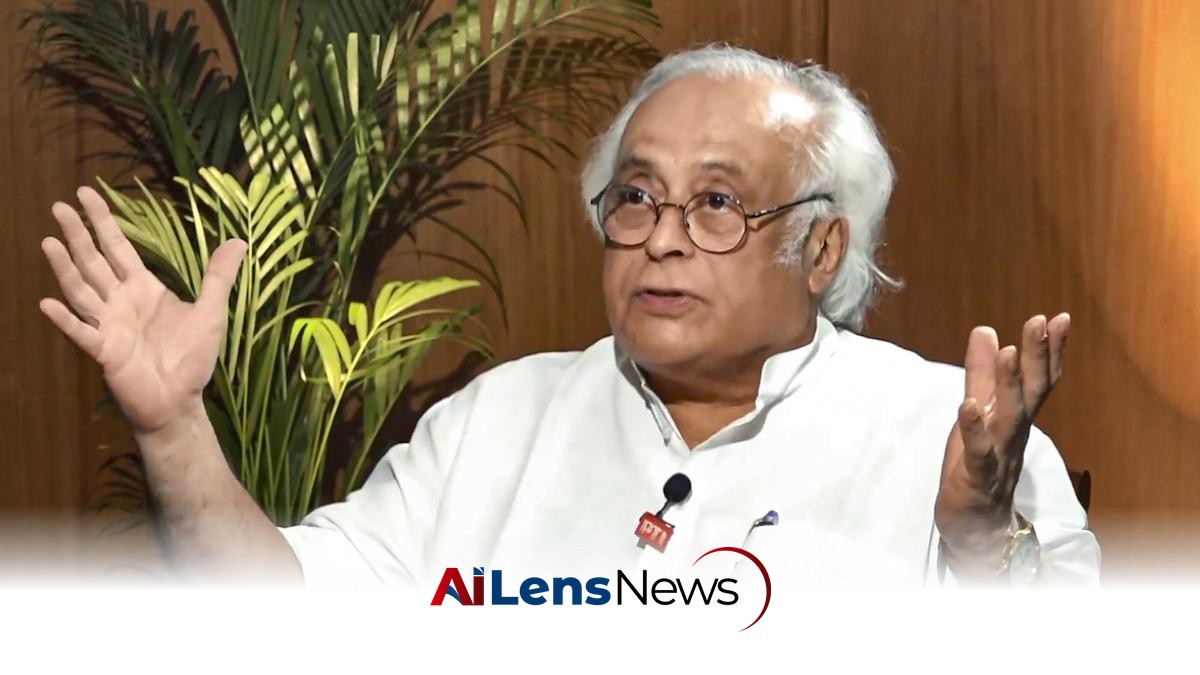
The Congress party's general secretary, Jairam Ramesh, emphasized the importance of contextualizing the recent developments in India-New Zealand relations by revisiting past collaborations. He noted that Lange's tenure as Prime Minister from 1984 to 1989 was marked by a revival of bilateral relations that had previously flourished in the 1950s. Ramesh pointed out that Lange's first overseas visit was to India, where he established a strong rapport with then-Prime Minister Indira Gandhi, which later evolved into a close personal relationship with her successor, Rajiv Gandhi.
Ramesh articulated that Lange's efforts were instrumental in rekindling a partnership that had seen New Zealand contribute significantly to India's dairy sector and the establishment of the All India Institute of Medical Sciences (AIIMS) in New Delhi. This historical context is critical as it not only acknowledges past contributions but also sets the stage for future collaborations between the two countries.
The relationship between India and New Zealand has evolved over decades, with its roots tracing back to the early 20th century. In the 1950s, bilateral ties were characterized by mutual cooperation, particularly in agriculture and education. New Zealand's assistance in developing India's dairy industry was a notable highlight of this period. Verghese Kurien, often referred to as the father of the White Revolution in India, was influenced by his visit to New Zealand on a government fellowship in 1952-53. This trip provided him with insights that would later transform India's dairy sector, making it one of the largest producers of milk in the world.
However, the relationship faced challenges during the 1960s and 1970s, leading to a cooling of ties. The geopolitical landscape, marked by India's non-alignment policy and New Zealand's alignment with Western powers, contributed to this decline. It was not until David Lange assumed office that efforts were made to mend and revitalize this relationship. His administration recognized the potential for collaboration and sought to build on the existing foundations laid in the previous decade.
David Lange's approach to foreign policy was characterized by a commitment to independence and a strong belief in the importance of bilateral relationships. His appointment of Sir Edmund Hillary, the famed mountaineer and a hero in New Zealand, as the High Commissioner to India was symbolic of his intent to strengthen ties. Hillary's presence in India not only represented New Zealand's goodwill but also helped foster a cultural exchange that benefited both nations.
Ramesh's remarks on this historical context serve to remind both the Indian public and policymakers of the long-standing ties that exist between India and New Zealand, emphasizing that these relationships are built on mutual respect and shared interests. The recognition of past contributions is essential as both countries look to the future.
The announcement of a strategic partnership between Modi and Luxon marks a significant milestone in the evolution of India-New Zealand relations. The partnership aims to deepen cooperation across various sectors, including trade, defense, and maritime security. The two leaders set an ambitious target of doubling bilateral trade in goods and services to ₹35,000 crore by 2030, indicating a commitment to enhancing economic ties and exploring new avenues for collaboration.
In addition to trade, the strategic partnership encompasses a framework for Indo-Pacific maritime cooperation, which is increasingly relevant in the context of global geopolitical dynamics. The establishment of a reciprocal logistics support pact between the armed forces of both nations signals a commitment to enhancing defense cooperation, ensuring that both countries are better equipped to address regional security challenges.
Furthermore, the agreement to institute a maritime security dialogue highlights the importance of collaborative efforts in ensuring stability and security in the Indo-Pacific region. As both nations navigate complex security environments, this dialogue will facilitate ongoing communication and coordination, reinforcing their commitment to shared values and interests.
The revival of ties between India and New Zealand underlines the importance of historical relationships in shaping contemporary diplomacy. As both countries move forward with their strategic partnership, there are implications not only for bilateral relations but also for regional stability and cooperation. The strengthening of ties can serve as a model for other nations in the region, showcasing the benefits of collaboration based on mutual respect and shared goals.
Moreover, the focus on trade and economic cooperation is particularly timely, given the shifting dynamics in global trade. With both nations looking to diversify their economic partnerships, the strategic partnership could pave the way for increased investments and opportunities for businesses in both countries.
In conclusion, the Congress party's reflection on the historical context of India-New Zealand relations, coupled with the recent announcement of a strategic partnership, highlights the importance of building on past successes to forge a brighter future. As both nations work together to enhance cooperation, they not only honor their shared history but also lay the groundwork for a collaborative and prosperous future.
To learn more about the latest developments in World News & International Affairs, stay updated with our exclusive reports and analyses on AiLensNews.

