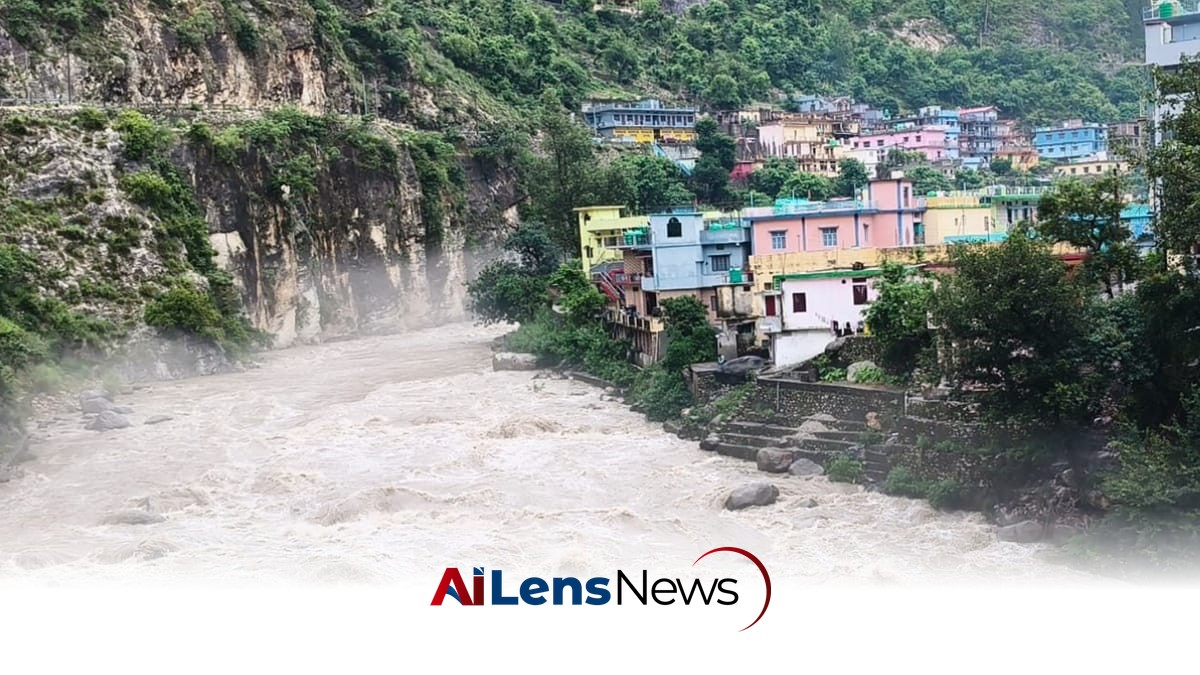


नगर पंचायत घनसाली ने लगातार बारिश के कारण भिलंगना नदी किनारे स्थित असुरक्षित भवनों को खाली करने के निर्देश दिए हैं।
देहरादून, भारत 12 जुल॰ 2026 ALN: Tehri, a picturesque district in the Indian state of , is currently facing a significant threat due to continuous heavy rainfall. The local authorities are on high alert as the persistent downpour has raised concerns about the stability of several buildings in the area. Sanjay Kapdi, the executive officer of the Nagar Panchayat, has reported that the condition of 30 specific buildings has been assessed as extremely precarious. This alarming situation has led to fears of potential accidents, which could result in loss of life and property.
The heavy rains, typical during the monsoon season in this region, have exacerbated the vulnerabilities of structures that may not have been built to withstand such weather conditions. The local government has taken immediate action by instructing the owners of these buildings, along with their families, to evacuate their premises and relocate to safer areas using their own resources. This directive underscores the urgency of the situation and the local administration's commitment to ensuring the safety of its residents.
Tehri, known for its hilly terrain and scenic beauty, has a history of landslides and building collapses during the monsoon season. The combination of heavy rains and the geological makeup of the region often leads to unstable ground conditions, making certain buildings particularly vulnerable. This year's monsoon has been particularly intense, with reports of continuous rainfall leading to concerns over the structural integrity of many buildings in Tehri and surrounding areas.
The region’s vulnerability is not merely a result of natural factors but is also linked to human activities. The rapid urbanization and construction practices in hilly areas often disregard the ecological balance, leading to deforestation and inadequate drainage systems. These practices contribute to the increased risk of landslides and flooding during the monsoon season. In Tehri, many buildings are older structures that may not have been designed with modern engineering standards, making them even more susceptible to the adverse effects of heavy rainfall.
In addition to the immediate evacuations, local authorities are likely to conduct further assessments of other buildings in the vicinity to identify any additional structures that may pose a risk. The proactive approach taken by the Nagar Panchayat is crucial in preventing potential disasters, as timely interventions can save lives and minimize damage. Such assessments will not only focus on the physical condition of buildings but also consider the surrounding topography and soil stability.
Moreover, the situation in Tehri is not isolated. Across the state, various districts are grappling with similar challenges. For instance, in Uttarkashi, heavy rainfall has caused landslides, blocking key roads such as the Yamunotri route. The State Disaster Response Force (SDRF) has been actively involved in rescue operations, successfully evacuating stranded pilgrims and ensuring their safety. Such incidents highlight the broader implications of climate change and the increasing unpredictability of weather patterns in the region. The frequency and intensity of rainfall events have been rising, prompting concerns among meteorologists and environmental scientists about the long-term impacts of climate change on the Himalayan ecosystem.
The local government’s response to the current crisis also reflects a growing awareness of the need for disaster preparedness and resilience in the face of climate-related challenges. Authorities are not only focused on immediate evacuations but are also likely to engage in longer-term planning to address the structural vulnerabilities of buildings in the region. This could include stricter building codes, improved urban planning, and enhanced monitoring of weather patterns to provide timely warnings to residents. Investment in infrastructure that can withstand extreme weather events is essential to protect communities and reduce future risks.
As the monsoon continues, the residents of Tehri are urged to stay vigilant and heed the advice of local authorities. Evacuating to safer locations, especially during periods of heavy rainfall, is essential for ensuring personal safety. Community awareness programs may also be initiated to educate residents about the risks associated with living in areas prone to landslides and flooding. Such initiatives can empower residents to take proactive steps in safeguarding their homes and families, fostering a culture of preparedness within the community.
In conclusion, the situation in Tehri serves as a reminder of the challenges faced by communities in hilly regions during the monsoon season. The proactive measures taken by local officials to evacuate at-risk buildings are commendable and necessary to safeguard lives. As the region continues to experience heavy rains, ongoing monitoring and preparedness will be key to mitigating the impacts of such natural disasters in the future. The need for a concerted effort between government authorities, local communities, and environmental experts is critical to developing sustainable solutions that address both immediate threats and long-term vulnerabilities in the face of climate change.
To learn more about the latest developments in Health & Public Safety, stay updated with our exclusive reports and analyses on AiLensNews.

