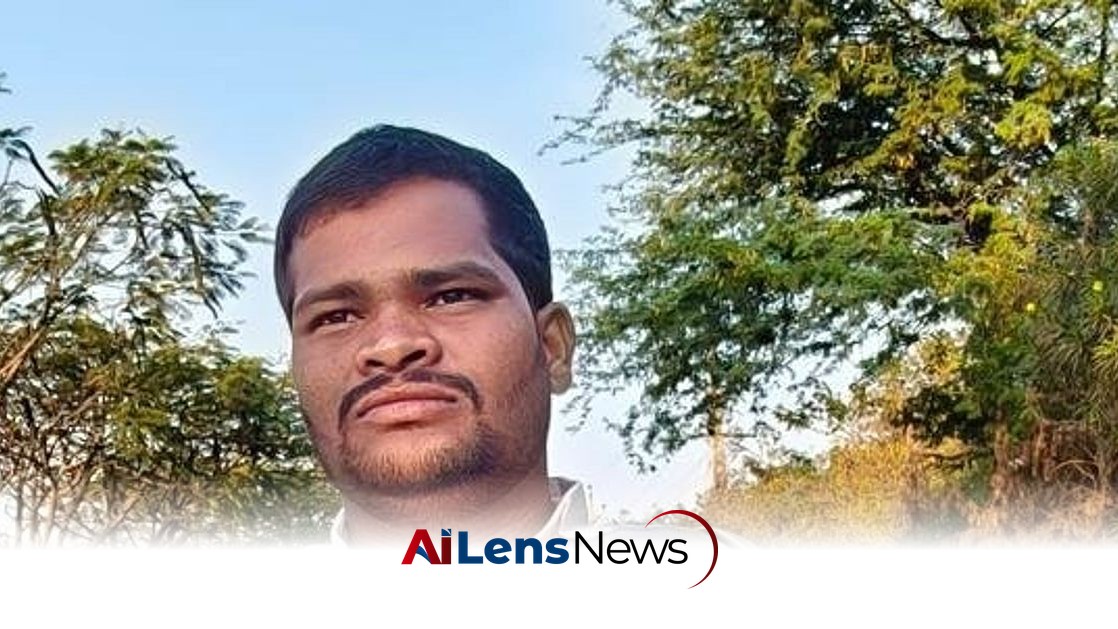


The Telangana Police have suspended a Sub-Inspector following the murder of six individuals by a man who was out on anticipatory bail related to a POCSO case.
New Delhi, India Jul 11, 2026 ALN: Follow TNM’s WhatsApp channel for news updates and story links.
On July 11, the Telangana Police suspended the Shabad Sub-Inspector responsible for handling a Protection of Children from Sexual Offences (POCSO) Act case against P Rajkumar, who allegedly killed six people the previous day while out on anticipatory bail. This drastic measure highlights the ongoing scrutiny and criticism surrounding the police's handling of sensitive cases involving minors, particularly in the context of sexual offenses. The police department has also announced a cash reward of Rs 2 lakh for credible information leading to Rajkumar’s arrest, as scrutiny intensifies over the handling of the POCSO case.
The suspension of the Shabad Sub-Inspector is a significant step, indicating the police's acknowledgment of potential failings in the management of the case. The POCSO Act was enacted to protect children from sexual offenses, and the police's role in ensuring the safety of minors is paramount. In an official press release, the Future City Police declared a reward of Rs 2 lakh for information that could aid in locating, tracking, or apprehending Rajkumar, who is wanted on six counts of murder. Police stated that extensive search operations are ongoing across various jurisdictions, assuring that the identities of informants would remain confidential.
The decision to grant anticipatory bail to Rajkumar has drawn significant criticism, particularly given the serious nature of the charges against him. The suspension of the Sub-Inspector follows mounting criticism regarding the decision to grant station bail to Rajkumar after he was booked under the POCSO Act in May. Critics argue that the bail decision reflects a broader issue within the judicial system concerning the treatment of sexual offense cases, especially those involving minors. The bail process, which is intended to balance the rights of the accused with the need for public safety, has come under fire for perceived leniency in cases involving serious allegations.
Future City Police Commissioner Tarun Joshi addressed allegations of police inaction in the earlier case, stating that complaints against police personnel are currently under review. "There are complaints of inaction from police in the previous POCSO case. We are examining that," Joshi remarked, adding that Rajkumar had been counseled by the police two or three times after securing anticipatory bail. This statement raises questions about the effectiveness of police interventions in cases of domestic violence and sexual offenses, particularly when the accused has a history of mental health issues and gambling, as indicated by the Commissioner.
Discussing the accused’s background, the Commissioner noted that Rajkumar’s family had informed the police of his mental distress. "His family members said he wasn't in a good mental state, that he had a habit of gambling, that he was in debt, and because of that also he was mentally disturbed," he explained. This context is crucial in understanding the dynamics that may have contributed to the tragic events that unfolded. Mental health issues can significantly affect an individual's behavior, and the failure to adequately address these concerns can lead to dire consequences, as evidenced in Rajkumar's case.
The case has sparked significant political backlash, with Bharat Rashtra Samithi (BRS) working president KT Rama Rao criticizing the Congress government for failing to maintain law and order. "The Shabad massacre is a complete failure of the Telangana government's law-and-order machinery. CM Revanth Reddy must take responsibility for this shocking breakdown of law and order," he stated. This incident has not only drawn attention to the specific case but has also raised broader concerns about the governance and efficacy of law enforcement in the region.
Bahujan Samaj Party (BSP) Telangana president RS Praveen Kumar accused the police of negligence, claiming they failed to act despite repeated complaints from the victim’s family after the POCSO case was registered on May 16. This accusation underscores the importance of timely and effective police action in cases involving threats to vulnerable populations, particularly minors. According to Praveen Kumar, the minor girl, her mother, and her uncle had lodged a complaint at the Shabad police station, leading to the registration of a case. He alleged that the family returned to the police station multiple times, urging officers to take Rajkumar into custody due to fears for their safety, but no action was taken. This pattern of inaction raises serious questions about the police's responsiveness to domestic violence and threats against women and children.
Praveen Kumar also criticized Chief Minister Revanth Reddy, who oversees the Home portfolio, for serious lapses in handling POCSO cases in Telangana. He questioned how Rajkumar was able to secure anticipatory bail and remain free despite the allegations, drawing comparisons to the case of Bandi Bhageerath, where the accused was arrested more than a week after an FIR was filed. This comparison highlights perceived inconsistencies in the judicial process and raises concerns about the criteria used to grant bail in serious cases, particularly those involving sexual offenses.
Rajkumar is accused of murdering six individuals on the night of July 10, including the minor girl who had filed the POCSO complaint against him, her mother, and grandmother. He is also alleged to have killed his own wife and two young sons before fleeing. The horrific nature of these crimes has sent shockwaves through the community and has reignited discussions about the effectiveness of the legal and law enforcement systems in protecting vulnerable individuals. The implications of this case extend beyond the immediate tragedy, as it raises critical questions about the adequacy of protections for victims of domestic violence and sexual assault, the mental health support available for individuals at risk, and the overall accountability of law enforcement agencies.
The situation remains fluid as police continue their search for Rajkumar, and the community grapples with the aftermath of this tragedy. The case serves as a stark reminder of the complexities surrounding the handling of sexual offense cases, particularly those involving minors, and the urgent need for systemic reforms to ensure the safety and protection of the most vulnerable members of society.
To learn more about the latest developments in Crime & Law, stay updated with our exclusive reports and analyses on AiLensNews.

