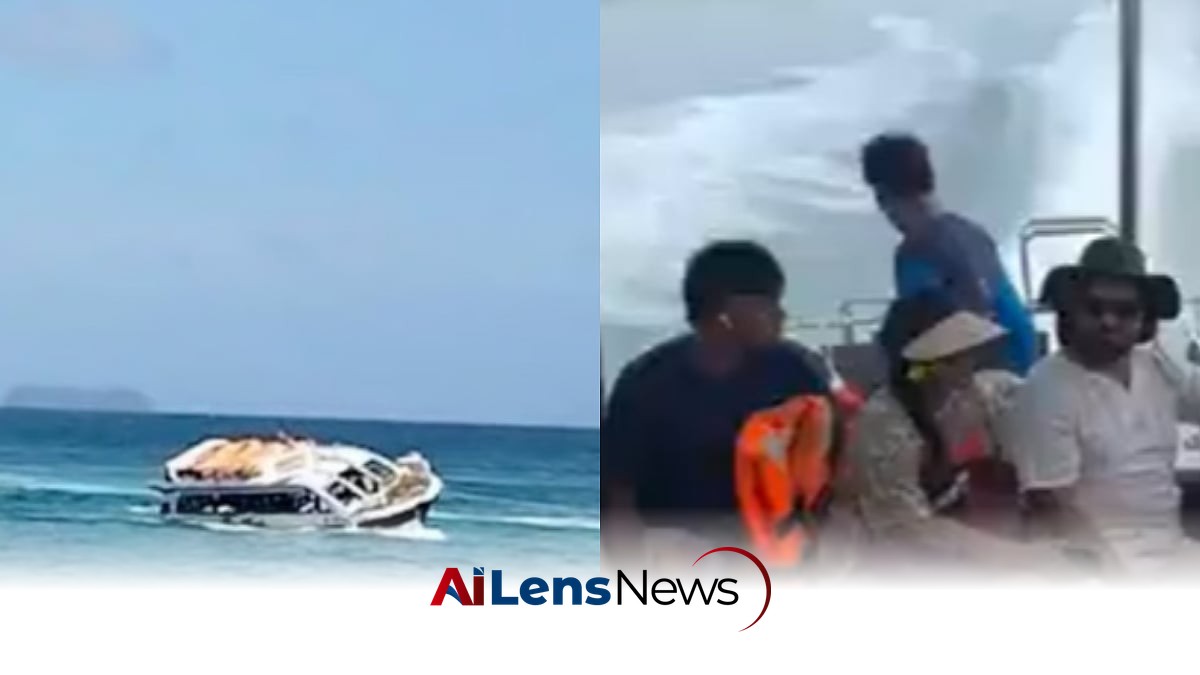


A video has raised questions after allegedly showing passengers holding life jackets instead of wearing them moments before a speedboat capsized near Vietnam's Phu Quoc Island, killing 15 Indian tourists. The vessel was carrying 32 Indian tourists and four Vietnamese crew members. Authorities are investigating, while survivors are being treated and families assisted.
New Delhi, India Jul 12, 2026 ALN: Phu Quoc: A chilling new detail has emerged in the tragic speedboat accident off Vietnam's Phu Quoc Island that claimed the lives of 15 Indian tourists, with a video reportedly showing several passengers holding life jackets instead of wearing them moments before the vessel capsized.
A video shared on social media platform X by historian and journalist NGO-SUGAR (@ngosugartp) appears to show several passengers holding life jackets instead of wearing them. The footage has been shared following the tragedy, with many users pointing to it as a possible factor that may have affected passengers' chances of survival. The Free Press Journal has not independently verified the authenticity of the video or the claims made in connection with it.
Details of the accident
The tragedy occurred on July 11, around 400 metres off the coast near Hon May Rut Ngoai Island, close to the popular tourist destination of Phu Quoc. The speedboat, carrying 32 Indian tourists and four Vietnamese crew members, overturned during its return journey after reportedly encountering rough sea conditions. Phu Quoc, known for its beautiful beaches and vibrant marine life, has become a popular destination for both domestic and international tourists, making the incident particularly shocking for the local community and the tourism industry.
According to historian and journalist NGO-SUGAR (@ngosugartp), citing survivor accounts, the 32 Indian tourists were colleagues working for a mobile-device manufacturing company headquartered in Uttar Pradesh. The group was on a recreational outing when the speedboat encountered strong winds and high waves. This outing was meant to be a relaxing getaway, highlighting the stark contrast between the intended joy of the trip and the tragic outcome.
Survivors recount events
Survivors reportedly told authorities that the boat's captain had instructed all passengers to wear life jackets before departure. However, many allegedly kept the jackets in their hands instead of fastening them securely around their bodies. This raises critical questions about passenger safety protocols and the effectiveness of safety briefings provided before embarking on such trips. The decision to hold rather than wear life jackets could have been influenced by various factors, including a lack of understanding of their importance or a false sense of security regarding the boat's stability.
According to the latest official update, all 36 people on board, including 32 Indian tourists and four Vietnamese crew members, have been accounted for. The accident claimed the lives of 15 Indian nationals, including 13 men and two women, while 21 people survived. The loss of life has sent shockwaves through both the Indian and Vietnamese communities, underscoring the potential dangers associated with maritime travel, especially in adverse weather conditions.
Embassy assists families
Several survivors were admitted to hospitals for emergency treatment and are reported to be in stable condition. The Indian Embassy in Hanoi has released the passenger list of the 32 Indian tourists and said it is working closely with Vietnamese authorities to verify the condition of every passenger, assist in victim identification, support affected families, and facilitate repatriation. The embassy added that further updates will be shared as official confirmations become available. This assistance is crucial not only for the immediate needs of the families affected but also for the broader implications concerning the safety of Indian tourists abroad.
Broader Context of Maritime Safety
This tragic incident has raised broader concerns about maritime safety regulations in Vietnam, particularly in popular tourist areas like Phu Quoc. While the country has made strides in promoting tourism, incidents like this underscore the need for stricter enforcement of safety protocols on vessels. The government may need to reassess the safety measures in place for tourist boats, including mandatory life jacket usage and comprehensive safety briefings prior to departure.
Furthermore, it highlights the importance of public awareness regarding safety on the water. Tourists, particularly those unfamiliar with local conditions and regulations, may not fully understand the risks involved. Educational campaigns that emphasize the importance of wearing life jackets and adhering to safety guidelines could potentially save lives in the future.
Impact on Tourism
The Phu Quoc boat tragedy may have lasting implications for the tourism industry in Vietnam. As a country that relies heavily on tourism for economic growth, incidents like this can deter potential visitors who may perceive the region as unsafe. The government and tourism authorities will need to work diligently to restore confidence among travelers, which may involve not only improving safety measures but also enhancing communication about the steps being taken to ensure tourist safety.
Additionally, the incident may lead to an increase in scrutiny of other tourist activities, prompting a comprehensive review of safety practices across various sectors, including boating, diving, and other adventure sports. Stakeholders in the tourism industry must collaborate to create a safer environment for tourists, ensuring that such tragedies do not recur.
Legal and Regulatory Implications
In the aftermath of this tragedy, there may also be legal repercussions for those involved in the operation of the speedboat. Investigations may be launched to determine whether negligence played a role in the accident, particularly concerning the captain's adherence to safety protocols and the vessel's seaworthiness. If found liable, the operators could face significant penalties, which may serve as a deterrent for others in the industry.
Moreover, this incident could prompt discussions at a governmental level about revising existing maritime laws and regulations to enhance safety standards. Policymakers may consider implementing stricter licensing requirements for boat operators, regular safety inspections, and mandatory training for crew members to ensure they are well-equipped to handle emergencies.
Ultimately, the Phu Quoc boat tragedy serves as a somber reminder of the inherent risks associated with maritime travel. It underscores the need for vigilance, adherence to safety protocols, and continuous improvement in safety measures to protect tourists and ensure that tragic accidents like this do not occur again. As the investigation unfolds, the focus will remain on honoring the victims and supporting their families while striving to enhance safety standards for future travelers.
To learn more about the latest developments in Health & Public Safety, stay updated with our exclusive reports and analyses on AiLensNews.

