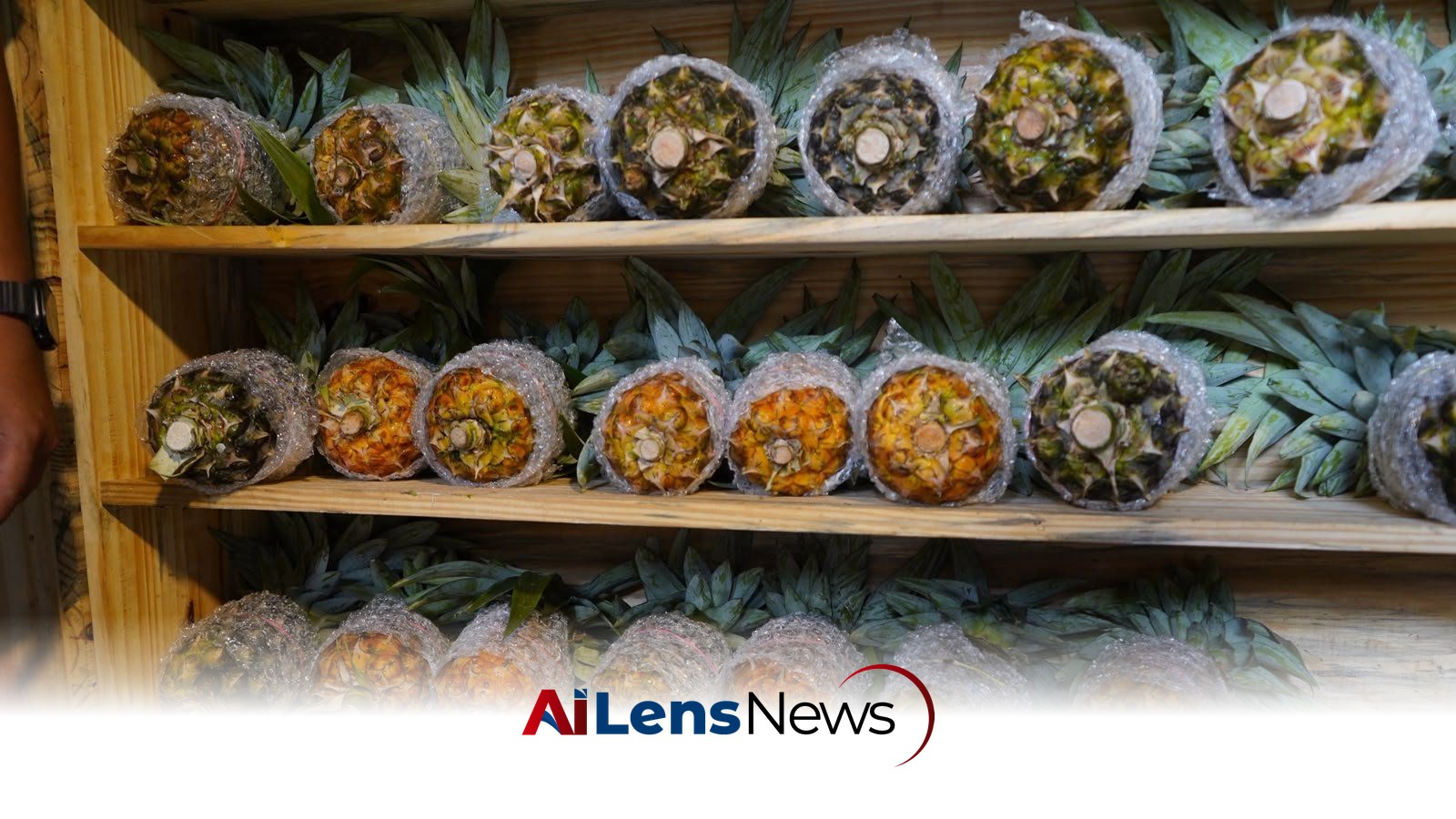


is revolutionizing its pineapple industry, turning ₹12 farm-gate pineapples into ₹1,500 per kg export products, boosting farmer incomes and market access.
Shillong, India Jul 11, 2026 ALN: The state of is undergoing a transformative change in its pineapple production, a move that significantly elevates the price of farm-gate pineapples from a mere ₹12 to an impressive ₹1,500 per kg for export. This initiative is not just about increasing the price; it aims to enhance value addition in the production chain, thereby increasing farmer incomes and expanding global market linkages. The implications of this transformation are profound, potentially reshaping the agricultural landscape of the region.
This significant development was showcased during the inauguration of the 4th Pineapple Festival at Dilli Haat on July 10, which was attended by notable figures including Chief Minister Conrad K. Sangma and Union Minister of Development of North Eastern Region (DONER) Jyotiraditya M. Scindia. The festival serves as a platform to promote the state's unique agricultural products, particularly the pineapple, which is not only a staple in local diets but also a key agricultural export. The festival highlights the importance of the pineapple to the local economy and culture, showcasing not just the fruit itself but also the various products that can be derived from it.
Currently, cultivates pineapples across approximately 12,600 hectares, yielding over 1.4 lakh metric tonnes annually. The state is particularly known for its organically grown Kew variety of pineapples, which is celebrated for its exceptional sweetness, measured at around 18° Brix. This variety has become the flagship horticultural product of the state, representing not just a source of income for farmers but also a point of pride for the region. The Kew pineapple's unique taste and quality have made it a sought-after product in both domestic and international markets, contributing to its growing reputation.
Officials have noted that the processing of pineapples has significantly increased returns for farmers. For instance, freeze-dried pineapple is now sold at nearly ₹1,500 per kg in European markets, while Individually Quick Frozen (IQF) pineapple fetches up to ₹640 per kg. These processing techniques allow for longer shelf life and greater marketability, thus providing farmers with better returns on their investments. The increase in prices for processed pineapples is a clear indicator of the growing demand for high-quality, organic products in international markets. This shift towards processing not only enhances the value of the product but also encourages farmers to adopt better agricultural practices, as they seek to meet the quality standards required for export.
The state’s efforts are further bolstered by the establishment of around 500 farmer cooperatives, which include nearly 100,000 growers. These cooperatives play a crucial role in the agricultural ecosystem, providing farmers with resources, training, and access to markets that they might not have on their own. Success stories have emerged from these cooperatives, such as the Jirang Organic Agro Farmer Producer Company, which exemplifies how these initiatives empower farmers. This particular cooperative, comprising 433 farmers, has successfully established supply chains to major retailers like Lulu Group and Reliance Retail, ensuring that their high-quality produce reaches a wider audience. The cooperative model not only enhances individual farmer incomes but also fosters a sense of community and collaboration among growers, strengthening the agricultural sector as a whole.
Moreover, the reach of 's pineapples has extended beyond national borders, with the fruits making their debut in international markets such as Dubai and Kuwait. This is a significant achievement, as it opens up new avenues for revenue generation and enhances the state's reputation as a producer of high-quality organic products. The successful entry into these markets is indicative of the potential that lies in the state's agricultural sector, particularly when it comes to value-added products. This expansion into international markets not only provides farmers with better prices but also positions as a competitive player in the global agricultural landscape.
The ongoing push for enhanced value addition not only strengthens the local economy but also aims to reduce farmers’ reliance on distress sales of raw produce. In many agricultural communities, farmers often find themselves in a precarious position, forced to sell their produce at low prices due to market fluctuations and lack of processing options. By focusing on value addition, is taking a proactive approach to ensure that farmers receive fair compensation for their hard work and investment. This shift is essential for building a more resilient agricultural sector, capable of withstanding the challenges posed by climate change and market volatility.
Looking ahead, the state has set an ambitious target to bring 1 lakh hectares under organic cultivation by 2028. This goal reflects a commitment to sustainable agricultural practices and a recognition of the growing global demand for organic products. Transitioning to organic farming not only benefits the environment but also aligns with the increasing consumer preference for healthier, chemical-free food options. Achieving this target would require concerted efforts from the government, agricultural experts, and the farming community to ensure that farmers are equipped with the necessary knowledge and resources to make this transition successfully. Training programs, access to organic inputs, and market support will be critical in facilitating this shift.
In conclusion, the transformation of pineapple production in marks a significant step towards enhancing the livelihoods of farmers and positioning the state as a key player in the global agricultural market. By focusing on value addition, fostering cooperative structures, and aiming for organic cultivation, is setting a precedent for sustainable agricultural development. The success of this initiative could serve as a model for other regions looking to enhance their agricultural sectors, ultimately contributing to food security and economic stability in the broader context. As the state continues to innovate and adapt to changing market demands, it holds the potential to not only uplift its farmers but also to contribute significantly to the overall economic development of the region.
To learn more about the latest developments in Economy, stay updated with our exclusive reports and analyses on AiLensNews.

