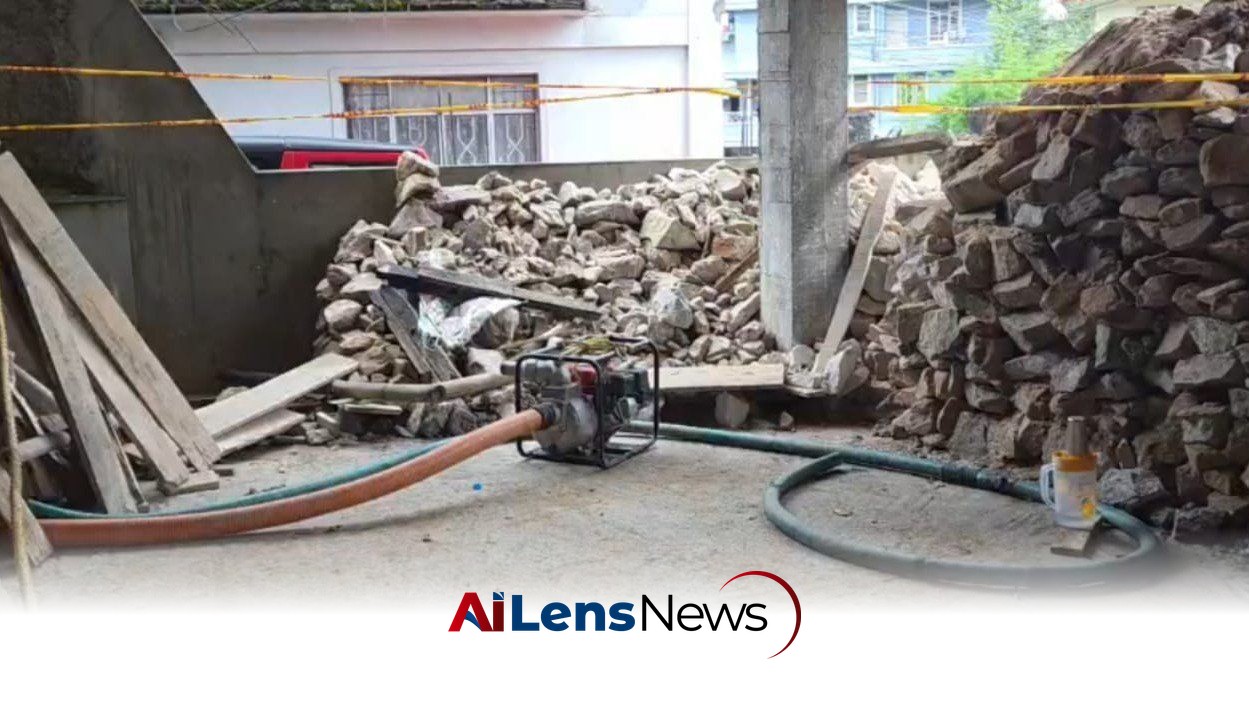


Five workers tragically lost their lives due to suffocation in a water tank in Shillong after using a diesel generator inside the confined space.
Shillong, India Jul 12, 2026 ALN: In a tragic incident that has sent shockwaves through the local community, five individuals lost their lives due to suffocation while cleaning a water storage tank at Dong Madan, Lapalang on Friday. This unfortunate event highlights the critical importance of safety protocols in confined spaces, particularly in occupations that involve hazardous work environments.
The workers, engaged in routine cleaning activities, brought a diesel-powered generator into the confined space of the reservoir. This decision, made in an attempt to address a practical issue—the water pump pipe being too short to reach the bottom of the tank—ultimately led to a catastrophic outcome. The exhaust fumes from the generator quickly filled the tank, resulting in a dangerous lack of breathable air.
According to officials, four workers entered the 33-foot-deep water tank to carry out cleaning operations. As the toxic fumes permeated the enclosed area, three of the workers became incapacitated due to the rapid depletion of oxygen. Fortunately, the fourth worker managed to escape and raised the alarm, but it was too late for his colleagues.
In a desperate attempt to save the trapped workers, two brothers from the nearby village of Nongrah Dongktieh, Sunil Thakuri (34) and Umesh Thakuri (30), rushed to the scene. Tragically, as they entered the tank to assist, they too succumbed to the harmful fumes, underscoring the severe risks associated with confined space entry without proper safety measures.
The families of the three workers from Thangsning and Umïew have opted not to disclose the identities of their loved ones, reflecting the deep sorrow and shock that the community is experiencing in the wake of this incident. The emotional toll on the families and friends of the deceased is immense, as they grapple with the loss of their loved ones in such a preventable manner.
Sub-Divisional Officer of the Water Resources Department, Laripor Roy Nongbri, provided insights into the circumstances leading to the tragedy. He noted that the workers’ decision to bring the generator into the tank was made out of necessity, as the existing water pump was inadequate for the task at hand. “The tank has a narrow opening. The exhaust fumes from the generator filled the confined space, and the workers lost consciousness due to inhalation of poisonous gases,” Nongbri explained to reporters.
Following the incident, a virtual autopsy was conducted on all five deceased individuals using advanced imaging techniques such as MRI and CT scans. This modern approach was chosen by the families, who declined a traditional post-mortem examination. The bodies were subsequently handed over to their grieving families, allowing them to begin the mourning process.
Local MLA Banteidor Lyngdoh was present at the scene to offer support to the bereaved families, emphasizing the community's need for solidarity during such trying times. The presence of local leaders highlights the importance of community in times of tragedy, as well as the need for systemic changes to prevent similar occurrences in the future.
In the aftermath of the incident, officials from the Water Resources Department, accompanied by personnel from the Rynjah Police Station, visited the accident site. Their inspection aimed to gather more information about the circumstances surrounding the tragedy and to initiate a thorough investigation. Preliminary findings confirmed that the inhalation of toxic fumes from the diesel generator was indeed the cause of death for all five individuals involved.
The department has acknowledged the critical need for improved safety protocols and is taking steps to ensure that such incidents do not recur. They plan to coordinate with local authorities and village leaders to raise awareness about the risks associated with confined spaces and to recommend safer methods for cleaning and maintenance work. This initiative is part of a broader effort to enhance worker safety and to cultivate a culture of caution and preparedness in the community.
Authorities have issued a stern warning to contractors, workers, and local residents, urging them to avoid using generators, pumps, or any combustion engines inside confined spaces without proper ventilation and safety equipment. This incident serves as a grim reminder of the potential dangers that can arise from neglecting safety protocols in work environments that involve confined spaces.
In response to the tragedy, the Water Resources Department is also in the process of developing formal guidelines that will be circulated to all districts. These guidelines aim to emphasize the necessity of using alternative methods for cleaning deep tanks, as well as the establishment of emergency protocols before any such work begins. The goal is to create a safer working environment for all individuals involved in similar tasks, thereby reducing the likelihood of future accidents.
This incident not only underscores the immediate need for safety measures but also raises questions about the broader implications of occupational safety regulations in the region. As communities rely on manual labor for essential services, it is crucial that safety becomes a priority at every level—from individual workers to contractors and government officials. The loss of five lives in this incident is a tragic reminder of the stakes involved and the urgent need for systemic change to protect workers in hazardous environments.
Confined spaces, such as water tanks, pose significant risks to workers, particularly when proper safety measures are not in place. The Occupational Safety and Health Administration (OSHA) defines a confined space as an area that is large enough for a worker to enter, has limited means of entry or exit, and is not designed for continuous occupancy. These spaces can contain hazardous atmospheres, including toxic gases, which can lead to suffocation or other serious health risks.
The tragedy in Lapalang serves as a critical reminder of the need for rigorous training and education on confined space safety. Workers must be equipped with knowledge about the dangers they may face and the proper protocols to follow in emergency situations. This includes understanding the importance of ventilation, the use of personal protective equipment (PPE), and the necessity of having a rescue plan in place before entering any confined space.
Furthermore, the incident raises awareness about the responsibilities of employers and contractors to provide safe working environments for their employees. Employers must ensure that their workers are trained adequately and that safety measures are enforced consistently. This includes regular safety audits and assessments to identify potential hazards and implement corrective actions.
In the wake of this tragedy, it is essential for the local government and relevant authorities to engage in discussions about improving occupational safety standards in the region. This could involve revising existing regulations, increasing oversight, and fostering partnerships between government agencies, non-governmental organizations, and community groups to promote safety awareness.
Moreover, community engagement plays a pivotal role in preventing such incidents in the future. Local leaders and organizations can help disseminate information about safe practices and encourage workers to speak up about unsafe conditions. Establishing a culture of safety within the community can empower workers to advocate for their rights and prioritize their well-being.
As the families of the deceased mourn their loss, the community must come together not only to support one another but also to ensure that such a tragedy never happens again. The collective grief should serve as a catalyst for change, prompting all stakeholders to take action to safeguard the lives of workers in hazardous environments.
Finally, as this incident reverberates throughout the community and beyond, it is a stark reminder that safety must never be an afterthought. It is an ongoing commitment that requires vigilance, education, and proactive measures to protect those who work in potentially dangerous conditions. The lessons learned from this tragedy must inform future practices, ensuring that the sacrifices made by these five individuals are not in vain.
To learn more about the latest developments in Health & Public Safety, stay updated with our exclusive reports and analyses on AiLensNews.

