

Families reliant on coal mining in East Jaintia Hills are urging for a regulated resumption of mining activities, citing financial hardships due to the ongoing ban.
Shillong, India Jul 11, 2026 ALN: Coal-dependent families in East Jaintia Hills have renewed their demand for a regulated resumption of mining, stating that the ban has left thousands without stable income. The region, known for its rich coal deposits, has seen a significant impact on the livelihoods of its residents since the imposition of the ban on coal mining, which was initially enforced by the National Green Tribunal (NGT) in 2014 due to environmental concerns.
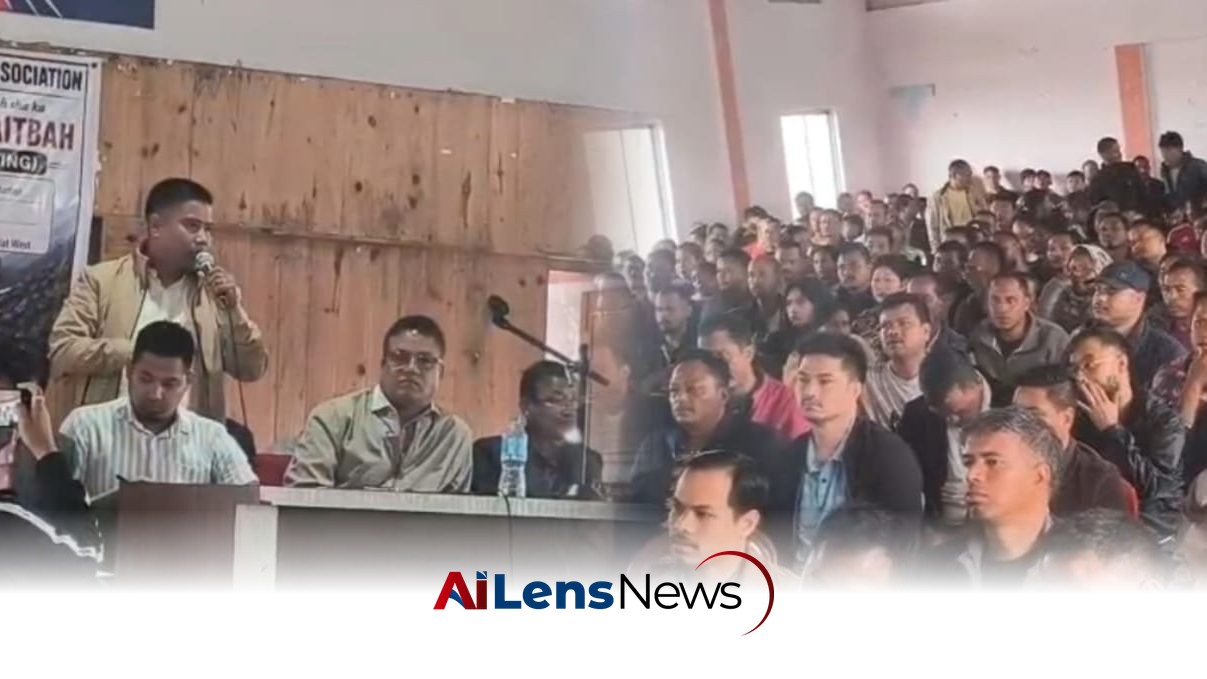
During a meeting of the Jaintia Coal Miners & Dealers Association (JCMDA) held Saturday at Khliehriat West Community Hall, families expressed their frustrations over the financial pinch they are experiencing as their primary source of livelihood is put on hold. The ban has not only affected the miners but also the associated businesses that thrive on the coal industry, including transportation, equipment supply, and local services. Many families have reported struggling to meet their basic needs, leading to increased poverty levels in an area that was once economically vibrant due to coal mining.
Demanding a regulated resumption of mining, community members articulated the dire consequences they face due to the ban. The residents argue that the government should find a way to allow mining to continue in a controlled manner, ensuring that environmental standards are met while also providing for the economic needs of the community. They pointed out that many families have been left in a precarious situation, with no alternative sources of income readily available. The urgency of their plea is underscored by the fact that coal mining has historically been a significant part of the local economy, providing jobs and supporting local businesses.
Local MLAs, Santa Mary Shylla and Kyrmen Shylla, acknowledged the challenges brought on by the mining ban and expressed their commitment to addressing the issue with the central government. They emphasized that the situation requires immediate attention and that they are working diligently to find a solution that balances economic needs with environmental protection. The MLAs have been vocal about the need for a sustainable approach to mining that considers the long-term health of the ecosystem as well as the immediate economic benefits.
Santa Mary informed the gathering that Chief Minister Conrad K Sangma recently met Union Minister of Coal G. Kishan Reddy. “There were some positive results from that meeting,” she stated, adding, “People may accuse MLAs of making empty promises, but this matter requires following many procedures.” The complexity of the issue is underscored by the need to navigate various regulatory frameworks and environmental assessments that are necessary for any mining operations to resume legally.
She emphasized that she, along with Kyrmen, is exploring ways to resume mining — “not on the same scale as before, but through proper procedures.” This statement reflects the community's desire for a more regulated approach to mining that prioritizes safety and environmental standards. She also argued that open-cast mining is not viable locally due to the shallow depth of coal seams, which range from 3 to 6 feet, and could cause environmental damage. The potential for environmental degradation is a significant concern, as the region is home to diverse flora and fauna, and any mining activity could disrupt local ecosystems.
Khliehriat MLA Kyrmen Shylla highlighted the need for the district to balance resource use with environmental restoration, including tree plantation and water-body filtration. He urged unity among stakeholders and defended the JCMDA leadership, stating that the association’s president “stands up for poor families who rely on coal mining.” His comments reflect a broader sentiment among local leaders who are advocating for the rights of workers in the coal industry while also recognizing the importance of sustainable practices.
Shylla added that over the last three months, JCMDA representatives have met with the Chief Minister, Deputy Chief Minister, and other officials to seek a review of the mining ban. These discussions are crucial, as they represent the voices of the community members who are directly impacted by the ban. The meetings have also served as a platform for discussing potential solutions that could allow for regulated mining while addressing environmental concerns.
The meeting was attended by several JHADC MDCs, JCMDA executives, JNC president, NGO representatives, and small coal business owners. The gathering concluded with a resolution to pursue “regulated, environmentally compliant mining” as an alternative to a complete ban. This resolution reflects a growing consensus among local stakeholders that a balanced approach is necessary to ensure both economic stability and environmental protection. The path forward will likely involve extensive dialogue among community members, government officials, and environmental experts to develop a framework that allows for responsible mining practices.
The implications of this renewed demand for mining resumption extend beyond the immediate economic concerns of coal-dependent families. The debate around coal mining in East Jaintia Hills is emblematic of a larger national conversation about the role of fossil fuels in India's economy, particularly in the context of climate change and sustainable development. As the country grapples with its energy needs and environmental responsibilities, the situation in East Jaintia Hills serves as a microcosm of the challenges faced by many regions that rely on resource extraction for their livelihoods.
Moreover, the outcome of these discussions could set a precedent for other coal-dependent regions in India, where similar tensions between economic development and environmental sustainability exist. As the government seeks to balance these competing interests, the voices of local communities will be crucial in shaping policies that reflect their needs and aspirations. The ongoing dialogue surrounding coal mining in East Jaintia Hills highlights the importance of inclusive decision-making processes that consider the perspectives of all stakeholders involved.
In conclusion, the demand for regulated mining in East Jaintia Hills underscores the complex interplay between economic necessity and environmental stewardship. The community's call for a return to mining, albeit in a regulated manner, reflects both the immediate pressures they face and the broader challenges associated with transitioning to sustainable resource management. As discussions continue, it will be essential for all parties involved to work collaboratively towards solutions that respect both the environment and the livelihoods of those who depend on it.
To learn more about the latest developments in Economy, stay updated with our exclusive reports and analyses on AiLensNews.

