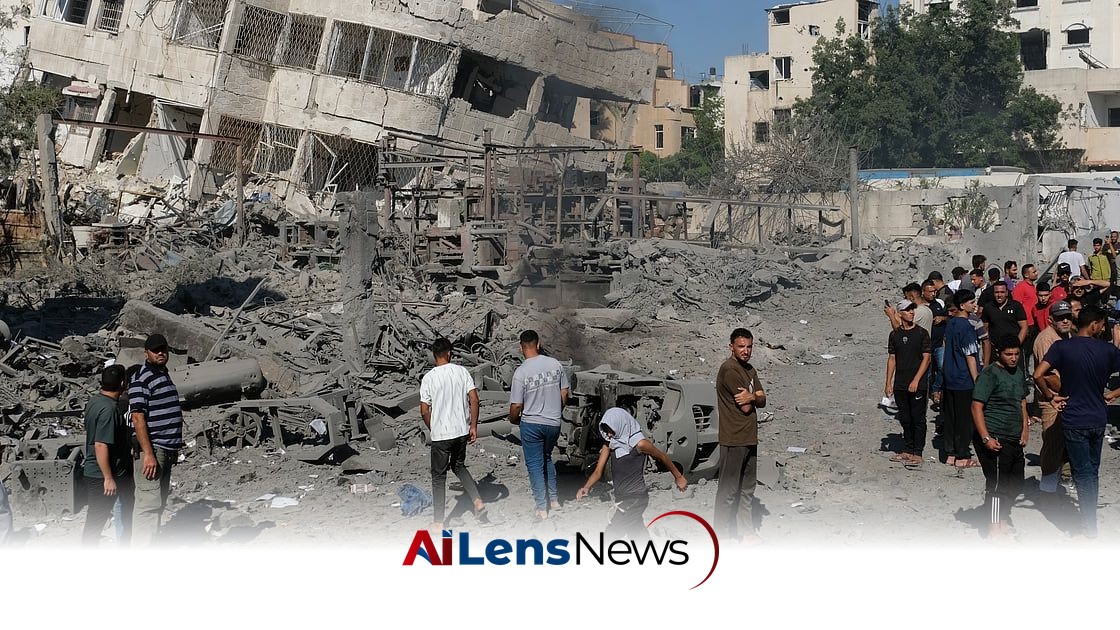


Recent Israeli airstrikes in Gaza have killed six Palestinians, including a 9-year-old girl, amid ongoing ceasefire violations.
New Delhi, India Jul 12, 2026 ALN: Israeli airstrikes in Gaza on Sunday resulted in the deaths of at least six Palestinians, including a 9-year-old girl, and left over a dozen others injured, according to local health officials. This incident reflects the ongoing and escalating violence in the region, which has seen a significant increase in hostilities since early October 2023.
A drone strike targeted a blacksmith shop in Gaza City's Sabra neighborhood, killing at least four individuals, as reported by officials at Shifa hospital, where the injured were taken for treatment. The choice of target, a blacksmith shop, raises questions about the military's claim that it was targeting "terrorist infrastructure," as such facilities are often associated with civilian livelihoods rather than militant activities.
The Israeli military confirmed the strike, stating it aimed at "terrorist infrastructure," though it did not provide further details. They later claimed to have targeted a Hamas weapon production site. This assertion is part of a broader narrative used by the Israeli military to justify airstrikes, which are often framed as necessary measures to prevent imminent threats posed by Hamas, the governing body in Gaza that Israel and several other countries classify as a terrorist organization.
Following the initial strikes, Palestinians received evacuation orders from the military. Approximately an hour later, intense airstrikes hit the same blacksmith shop, with the Palestinian Red Crescent Society's ambulance service reporting that 14 people were wounded in the attacks. The repeated strikes on the same location suggest a deliberate strategy to ensure the target is neutralized, but they also highlight the risks to civilians who may be present, either as workers or bystanders.
Additionally, Israeli gunfire claimed the life of 9-year-old Tala Abu Matar in a displacement camp located in central Gaza, according to officials from the Health Ministry. The Israeli military stated it was unaware of such an incident, which raises concerns regarding the accountability of military operations and the protection of civilians. The death of a child in a conflict zone is particularly poignant and underscores the tragic human cost of ongoing hostilities.
Another Israeli strike on a displacement tent in Khan Younis, southern Gaza, resulted in one fatality, as confirmed by health officials at Nasser hospital. The Israeli military characterized the strike in that area as "part of routine activities" and claimed it was not aware of any casualties. This assertion reflects a broader pattern in military operations where strikes are often justified as necessary actions against perceived threats, even when they result in civilian casualties.
Since the ceasefire took effect on October 10, Israeli strikes have continued almost daily, marking repeated violations of the agreement. The ceasefire was initially intended to reduce hostilities and allow for humanitarian aid to flow into Gaza, but the ongoing strikes have complicated efforts to stabilize the situation and provide relief to the affected population. The persistent violence undermines trust in the ceasefire and raises the stakes for both sides.
The Israeli military asserts that its operations target Hamas and other militants, often alleging that they are planning attacks. However, these strikes have also resulted in numerous civilian casualties, raising ethical questions about the proportionality and necessity of such military actions. The principle of distinction in international humanitarian law mandates that combatants must distinguish between military targets and civilians, and the frequent civilian casualties in Gaza call into question the adherence to this principle.
According to Gaza's Health Ministry, at least 1,098 Palestinians, including 260 children, have died since the ceasefire began. In the same period, five Israeli soldiers have been killed. The stark contrast in casualty figures highlights the asymmetry of the conflict, with the civilian population of Gaza bearing a disproportionate burden of the violence. This disparity often fuels further resentment and animosity, perpetuating the cycle of violence.
The conflict was reignited following the October 7, 2023, attack by Hamas-led militants, which resulted in approximately 1,200 deaths in Israel and the abduction of 251 individuals. This attack marked a significant escalation in hostilities and triggered a fierce military response from Israel, which has since intensified its air campaign against targets in Gaza. The initial attack and subsequent military actions have led to widespread devastation, further entrenching the conflict.
Israel's retaliatory offensive has reportedly killed 73,221 Palestinians, with women and children making up nearly half of the casualties. This data is sourced from the Hamas-led government, which employs medical professionals who maintain detailed records recognized as reliable by United Nations agencies and independent experts. The high number of casualties raises concerns about the humanitarian impact of the conflict and the urgent need for a resolution that prioritizes the protection of civilians.
Negotiations between Israel and Hamas remain largely stalled regarding the implementation of the ceasefire's second phase, which includes the disarmament of Hamas and the reconstruction of Gaza. The lack of progress in talks indicates a deepening impasse, with both sides entrenched in their positions. The failure to reach a consensus on disarmament and reconstruction complicates efforts to restore stability in the region.
The majority of Gaza's population, exceeding two million, remains displaced, with many residing in overcrowded tent camps lacking basic services or in the ruins of destroyed buildings. The humanitarian situation in Gaza is dire, with limited access to clean water, healthcare, and food. The displacement of such a large segment of the population highlights the urgent need for international assistance and intervention to address the humanitarian crisis.
As the situation in Gaza continues to deteriorate, the international community faces increasing pressure to intervene and facilitate a resolution to the conflict. The humanitarian implications of the ongoing violence are profound, and without concerted efforts to address the root causes of the conflict, the cycle of violence is likely to persist. The tragic loss of life, particularly among children, serves as a somber reminder of the human cost of war and the urgent need for a lasting peace in the region.
To learn more about the latest developments in World News & International Affairs, stay updated with our exclusive reports and analyses on AiLensNews.

