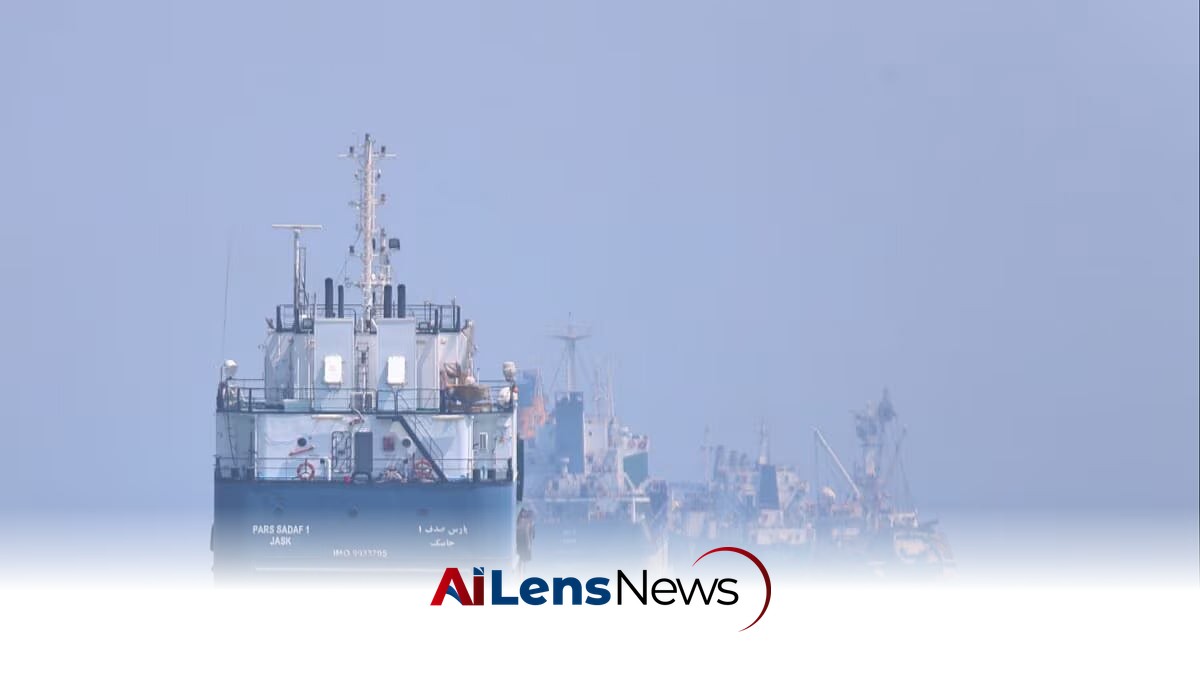


An Indian commercial vessel was attacked off Oman, leading to significant damage and the crew abandoning ship. One crew member is still missing.
New Delhi, India Jul 12, 2026 ALN: The recent attack on an Indian commercial vessel off the coast of Oman has drawn widespread condemnation and raised significant concerns regarding maritime security in a region already fraught with geopolitical tensions. The incident, which occurred approximately 17 kilometers east of Oman, resulted in considerable damage to the ship, forcing the crew to abandon it. Reports confirm that while ten crew members were successfully rescued, one individual remains missing, highlighting the human cost of this maritime crisis.
This attack takes place against a backdrop of escalating hostilities in the region, particularly following a series of military strikes and the controversial closure of the Strait of Hormuz by Iranian authorities. The Strait of Hormuz is a vital waterway, through which roughly 20% of the world's oil supply is transported, making any disruption in this area a matter of global concern.
According to the United Kingdom Maritime Trade Operations (UKMTO), the crew of the damaged vessel was able to abandon ship and were subsequently rescued by a lifeboat. Meanwhile, the US Central Command has confirmed that the vessel sustained severe damage, rendering it unfit for further navigation. The missing crew member has raised alarm among shipping companies and governments alike, as the safety of maritime personnel remains a top priority.
In a significant escalation of tensions, the United States has attributed the attack to Iranian forces, leading to a swift response involving retaliatory airstrikes. These US airstrikes targeted approximately 140 Iranian military sites, which included missile and drone facilities, naval assets, and communication networks. This military response has further destabilized an already volatile region and raised alarms about the safety of commercial shipping lanes, which are critical to global trade.
The Iranian Islamic Revolutionary Guard Corps (IRGC) has taken a hardline stance by announcing the closure of the Strait of Hormuz, stating that no vessels would be allowed to transit the waterway until foreign interference ceased. This declaration was accompanied by reports of the IRGC firing warning shots at a vessel attempting to navigate unauthorized routes through the strait. The closure announcement underscores the seriousness of the situation and the potential for further escalation if tensions are not managed effectively.
US Defence Secretary Pete Hegseth has issued a strong warning to Iran, asserting that the United States will continue to degrade Iran's capabilities to threaten civilian mariners and commercial ships. The US has demanded that Iran ensure safe passage through the Strait of Hormuz and refrain from any further attacks on civilian shipping. The rhetoric from the Trump administration has intensified, with President Donald Trump emphasizing a forceful response to any threats, indicating that the situation could escalate further if diplomatic solutions are not found.
"UKMTO has been informed by military authorities and the CSO of the vessel that the crew have abandoned the vessel and are currently embarked in a lifeboat," the agency stated regarding the incident off Oman.
In an effort to mediate the ongoing crisis, diplomatic discussions have taken place between Iranian and Omani officials in Muscat. Proposals have been put forward to manage shipping traffic through separate corridors in the Strait of Hormuz, with the Southern Corridor allowing for free navigation through Omani waters, while the Northern Corridor would require prior approval from Iranian authorities. Such arrangements aim to reduce tensions and ensure the safety of vessels operating in the area.
Shipping activity in the Strait of Hormuz has already seen a significant decline, with tanker traffic plummeting from an average of 33 vessels per day to just 13. This reduction is indicative of the heightened risks associated with navigation in the strait, as ships either opt to follow Iran-controlled routes or disable transponders to avoid detection. The strategic importance of the Strait of Hormuz cannot be overstated, as it remains a critical passage for global oil and liquefied natural gas shipments.
"No vessel or naval craft will be allowed to pass," the IRGC stated, underscoring the seriousness of the closure and its impact on international shipping.
In response to the escalating threats, regional governments, including those in the United Arab Emirates, have activated air defense systems to protect against potential missile threats. While diplomatic efforts to de-escalate the situation continue, the risk to vessels operating in the region remains high. Coverage of the situation indicates that key Iranian port cities are relatively calm; however, the persistent threat to maritime security looms large as negotiations unfold.
The implications of this incident extend beyond the immediate concerns for the crew and the vessel involved. The attack on the Indian commercial ship is a stark reminder of the fragile state of maritime security in the region, which is often influenced by broader geopolitical dynamics. With Iran's strategic positioning and its control over key shipping lanes, any disruptions can have far-reaching consequences for global oil prices and supply chains.
Furthermore, the incident has the potential to exacerbate existing tensions between Iran and Western nations, particularly the United States, which has taken a hardline approach towards Tehran in recent years. The possibility of further military engagement raises questions about the effectiveness of diplomatic channels and the potential for a new conflict in the region.
As the situation continues to evolve, the international community is closely monitoring developments, with calls for restraint and dialogue becoming increasingly urgent. The safety of maritime navigation remains a priority, as does the need to address the underlying issues that contribute to the ongoing tensions in the region.
In conclusion, the attack on the Indian vessel off the coast of Oman serves as a critical juncture in the ongoing geopolitical landscape of the Middle East. As nations grapple with the implications of this incident, the focus will remain on ensuring the safety and security of maritime routes while seeking diplomatic solutions to prevent further escalation.
To learn more about the latest developments in World News & International Affairs, stay updated with our exclusive reports and analyses on AiLensNews.

