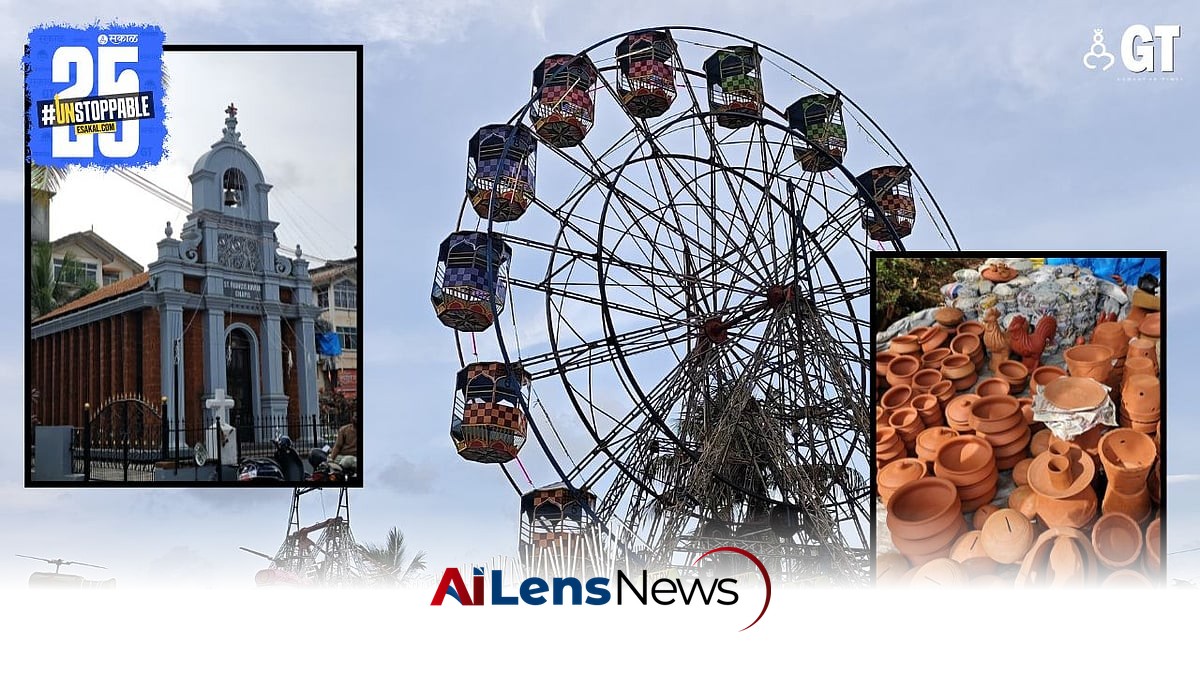


Explore the vibrant culinary landscape of Goa, where traditional flavors and local culture come together to nourish the body and soul.
New Delhi, India Jul 12, 2026 ALN: Goa, a coastal paradise known for its stunning beaches and vibrant culture, is equally celebrated for its rich culinary heritage. The local cuisine is a delightful blend of flavors, influenced by its history of trade and colonization. From sun-dried fish to exotic spices, Goan food offers a sensory experience that nourishes not just the body, but also the mind and soul.
At the heart of Goan cooking is the use of fresh, local ingredients. The coastal location ensures an abundance of seafood, while the fertile land supports a variety of vegetables and spices. Traditional dishes often feature a combination of these elements, creating a unique flavor profile that is both comforting and invigorating. The climate in Goa, characterized by a tropical monsoon, contributes to the rich biodiversity of the region, allowing for a wide array of ingredients to thrive. This agricultural bounty has historically been complemented by the region’s strategic position along trade routes, which introduced various spices and cooking techniques from different cultures.
The Portuguese colonization of Goa, which lasted for over four centuries, has left a lasting impact on the culinary landscape. The infusion of Portuguese flavors and cooking methods has resulted in unique dishes that reflect a fusion of cultures. For instance, the use of vinegar and spices in many Goan dishes can be traced back to Portuguese influence, while the prominence of coconut and rice showcases indigenous practices. As a result, Goan cuisine stands as a testament to the region's multicultural history, making it an essential aspect of its identity.
Visiting a local market is an essential part of experiencing Goan cuisine. The bustling markets are filled with vendors selling fresh produce, spices, and traditional snacks. The vibrant atmosphere, combined with the aroma of spices, creates a feast for the senses. Here, you can interact with local vendors, learn about their products, and even pick up some cooking tips. Markets such as the Mapusa Market and the Anjuna Flea Market not only showcase the culinary diversity of Goa but also serve as social hubs where locals gather to exchange news, celebrate festivals, and maintain community ties.
These markets are not just places to shop; they are vibrant ecosystems that reflect the local culture and community spirit. Vendors often share stories about their products, providing insights into traditional farming and fishing practices. The experience of wandering through the stalls, sampling fresh fruits, and purchasing spices directly from the source adds a personal touch to the culinary journey. Additionally, many of these markets feature food stalls where visitors can taste local delicacies, further enhancing the immersive experience.
In Goa, food is more than just sustenance; it is a way to connect with the community. Family gatherings, festivals, and celebrations often revolve around shared meals. The act of cooking and eating together fosters a sense of belonging and cultural identity. Festivals such as Christmas and Ganesh Chaturthi see families preparing traditional dishes that have been passed down through generations, reinforcing cultural heritage and community bonds. The communal aspect of dining is deeply ingrained in Goan culture, where meals are often enjoyed in large groups, highlighting the importance of companionship and togetherness.
Moreover, the preparation of food during these gatherings often involves the participation of multiple family members, emphasizing the collaborative nature of cooking in Goan households. This collective effort not only strengthens family ties but also ensures the transmission of culinary knowledge and traditions to younger generations. As families come together to prepare and share meals, they create lasting memories that contribute to their cultural identity.
Goan cuisine encourages mindful eating, where the focus is on savoring each bite and appreciating the flavors. This practice not only enhances the dining experience but also promotes a healthier relationship with food. Many local restaurants emphasize the importance of using organic and sustainable ingredients, aligning with the growing trend of health-conscious dining. The concept of mindful eating is particularly relevant in today’s fast-paced world, where meals are often consumed hurriedly. In Goa, the slower pace of life allows for a more reflective dining experience, where the preparation and enjoyment of food become acts of mindfulness.
This mindful approach to eating is not just about the food itself, but also about the environment in which it is enjoyed. Many Goan eateries are designed to enhance the dining experience, with open-air seating, scenic views, and an emphasis on local decor. This ambiance encourages diners to engage with their surroundings, fostering a deeper appreciation for the flavors and traditions of Goan cuisine. Additionally, the emphasis on organic and locally sourced ingredients supports sustainable practices, which is increasingly important in the context of global environmental concerns.
As Goa attracts a growing number of tourists, culinary tourism has emerged as a significant aspect of its economy. Visitors are increasingly interested in not only the scenic beauty of Goa but also its rich culinary traditions. Cooking classes and food tours have become popular, providing tourists with the opportunity to engage with local chefs and learn about traditional cooking methods. This interaction fosters a deeper understanding of Goan culture and encourages the preservation of culinary heritage. Moreover, it supports local farmers and producers, as many culinary experiences emphasize the use of locally sourced ingredients.
Culinary tourism not only benefits the tourism industry but also empowers local communities by creating economic opportunities. As chefs and food artisans share their knowledge and skills, they contribute to the preservation of traditional cooking techniques that might otherwise be lost. This exchange of knowledge enriches both visitors and locals, creating a dynamic culinary landscape that celebrates Goan heritage. Furthermore, as tourists seek authentic experiences, the demand for traditional foods and cooking classes can lead to increased interest in sustainable farming practices and local ingredient sourcing.
The focus on Goan cuisine and culinary tourism has broader implications for local communities. As interest in traditional foods grows, there is a renewed appreciation for local agricultural practices and the importance of sustainability. This movement encourages younger generations to engage with their culinary heritage, ensuring that traditional recipes and cooking techniques are not lost. Additionally, the emphasis on organic and sustainable practices aligns with global trends towards healthier eating and environmental responsibility.
As communities embrace their culinary heritage, there is potential for increased collaboration among local farmers, chefs, and artisans. This collaboration can lead to the development of new products and experiences that highlight the unique flavors of Goa. For example, initiatives that promote farm-to-table dining experiences can strengthen the connection between consumers and producers, fostering a sense of community and shared purpose. Furthermore, as local culinary traditions gain recognition, there is an opportunity for Goa to position itself as a culinary destination, attracting food enthusiasts from around the world.
Exploring Goan cuisine is a journey that nourishes the body, mind, and soul. Whether you are indulging in a hearty fish curry or sipping on a glass of Feni, the flavors of Goa offer a unique culinary experience that reflects its rich cultural heritage. The interplay of history, agriculture, and community within Goan food culture creates a tapestry of flavors and traditions that resonate with both locals and visitors alike. So, the next time you find yourself in this coastal paradise, take the time to savor the local dishes and immerse yourself in the vibrant food culture. Embrace the opportunity to connect with the land, the people, and the culinary traditions that make Goa a truly special destination.
To learn more about the latest developments in Society & Social Issues, stay updated with our exclusive reports and analyses on AiLensNews.

