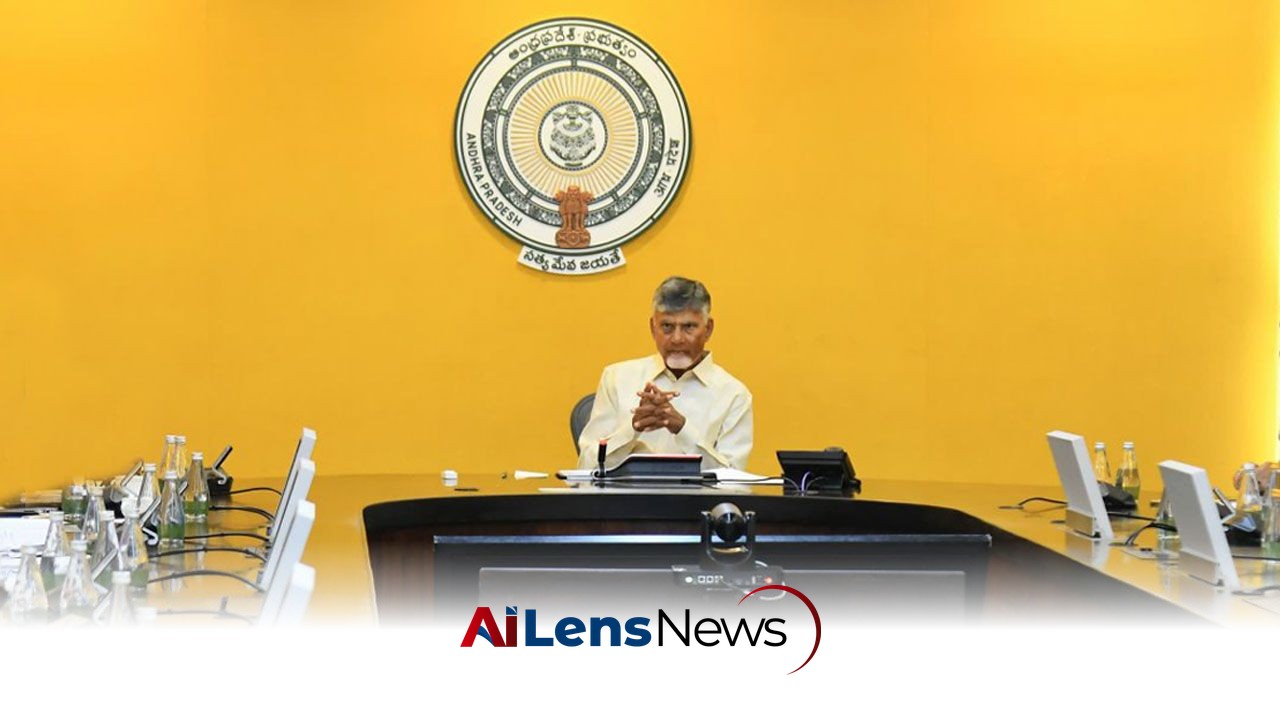


Andhra Pradesh Chief Minister N. Chandrababu Naidu has directed officials to expedite the repatriation of three victims killed in the Vietnam boat accident, ensure assistance to survivors and coordinate closely with the Indian Embassy for relief, transportation and related formalities.
New Delhi, India Jul 12, 2026 ALN: Amaravati: Andhra Pradesh Chief Minister N. Chandrababu Naidu on Sunday directed officials to make swift arrangements to bring the bodies of three persons who were among 15 Indian tourists who died after a boat capsized in Vietnam. This tragic incident has raised significant concerns regarding the safety of tourists and the measures in place to protect them while traveling abroad.
The Chief Minister reviewed the assistance being provided to the victims of the Vietnam boat accident with officials. The boat capsizing incident has been particularly distressing for the families of the deceased, as well as for the broader community in Andhra Pradesh, where the victims hailed from. The emotional toll of such an event is profound, and the government's response is critical in providing support and closure to the affected families.
According to the Chief Minister’s Office (CMO), he directed officials to make swift arrangements to bring the victims back to their hometowns. The urgency of this directive highlights the government's commitment to ensuring that the deceased are honored and that their families receive the necessary support during this difficult time.
Officials informed the Chief Minister that Gelle Kishore, who was injured in the accident, is currently undergoing treatment at a government hospital in Vietnam. His condition is reportedly improving, which brings some relief amidst the tragedy. The incident has drawn attention to the need for better medical facilities and emergency response protocols for tourists in foreign countries.
The accident occurred during a leisure trip organized by a mobile phone company for the families of its cell phone distributors in India. Such corporate-sponsored trips are common, but they also come with inherent risks, especially when safety measures are not adequately enforced. The boat was carrying 32 passengers, of whom 15 lost their lives. Among the deceased were three persons from Andhra Pradesh, while another person from the state sustained serious injuries and is undergoing treatment at a hospital in Vietnam.
The Indian government has a responsibility to ensure the safety of its citizens abroad, and this incident raises questions about the regulatory measures in place for tourist activities, particularly in countries with different safety standards. The Indian Embassy in Vietnam has appointed an agency to transport the mortal remains of the deceased to their hometowns, which is a crucial step in providing closure to the families affected by this tragedy.
The process of handing over and transporting the mortal remains has already commenced, indicating that the government is taking swift action to address the situation. Communication with the families of the deceased is essential in these circumstances, as they seek clarity and support in navigating the aftermath of such a loss.
Officials explained that arrangements have been made to transport the tourists who survived the accident back to their hometowns by flight on Sunday. This rapid response is intended to ensure that survivors can return home to their families and begin the healing process, which is vital after experiencing such a traumatic event.
It was disclosed that the relevant mobile service provider has arranged the flight tickets for them, showcasing the corporate responsibility that companies bear towards their employees and their families, especially in the wake of a crisis. The CM instructed officials of Andhra Pradesh Bhavan in New Delhi to provide all necessary assistance until the affected individuals return safely to the country and the process of transporting the mortal remains is completed.
He directed officials to coordinate with the Indian Embassy there regarding the transportation process. This coordination is critical, as it ensures that all logistical aspects are handled efficiently and that the families are kept informed throughout the process.
Earlier, the state government said that it responded swiftly to the tragic boat accident in Vietnam, in which three persons from Andhra Pradesh lost their lives. The quick actions taken by the government reflect a commitment to the welfare of its citizens, particularly in times of crisis. Chief Minister Naidu, Ministers Nara Lokesh and Vangalapudi Anitha have been continuously monitoring the situation and reviewing developments, indicating the high level of attention this incident has garnered from state officials.
Immediately after receiving information about the incident, Minister Nara Lokesh spoke with officials of the Indian Embassy in Vietnam to assess the situation and ensure that all necessary arrangements were initiated. This proactive approach is crucial in crisis management, as it allows for timely interventions that can significantly impact the outcome for those affected.
He directed the Real Time Governance Society (RTGS) to continuously monitor the situation and coordinate all relief and repatriation efforts. The RTGS Command and Control Centre at the Andhra Pradesh Secretariat has since been monitoring the developments round the clock, highlighting the importance of real-time data and communication in managing such emergencies.
RTGS officials have been maintaining close coordination with the Indian Embassy in Vietnam; AP Bhavan, New Delhi; the Andhra Pradesh Non-Resident Telugu Society (APNRT), and the concerned authorities in Vietnam to facilitate timely assistance to the affected families. This multi-agency cooperation underscores the complexity of managing international crises and the importance of collaboration between various governmental and non-governmental organizations.
The implications of this incident extend beyond the immediate tragedy, as it raises questions about the safety of tourists, the responsibilities of travel organizers, and the need for comprehensive safety regulations in the tourism industry. As more individuals travel abroad for leisure, it becomes increasingly vital for both governments and private enterprises to prioritize the safety and well-being of tourists.
In conclusion, the swift response by the Andhra Pradesh government and the Indian Embassy in Vietnam is commendable, but it also serves as a reminder of the risks associated with international travel. The tragedy highlights the need for improved safety measures, better communication, and a robust support system for tourists and their families in the event of unforeseen incidents. As the repatriation process continues, the focus should remain on providing support to the bereaved families and ensuring that lessons are learned to prevent such occurrences in the future.
To learn more about the latest developments in Local & Regional, stay updated with our exclusive reports and analyses on AiLensNews.

