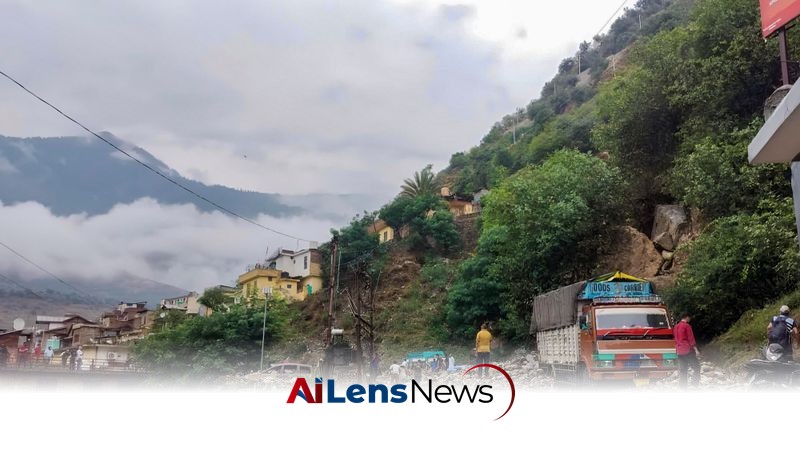


The India Meteorological Department forecasts isolated heavy rain in northeast India, West Bengal, and Bihar, while Uttarakhand faces a red alert.
Chandigarh, India Jul 12, 2026 ALN: The monsoon season in India is a critical time for the country's agriculture, water supply, and overall climate. However, this year, the monsoon is experiencing a notable lull, with the India Meteorological Department (IMD) issuing a red alert for Uttarakhand due to potential heavy rainfall. This shift in weather patterns has raised concerns among residents and authorities alike, as it could lead to significant challenges in various sectors.
According to the IMD's latest bulletin, isolated heavy to very heavy rain is expected over the next few days in several regions, including northeast India, West Bengal, and Bihar. The forecast indicates that these areas may experience significant rainfall, which could lead to localized flooding and other weather-related challenges. The IMD has been vigilant in monitoring the monsoon activity, which typically plays a crucial role in replenishing water sources and supporting agricultural activities across the country.
As of now, many parts of India are witnessing subdued monsoon activity. This reduction in rainfall intensity has been particularly noticeable in states that typically receive heavy rains during this season. The IMD has been closely monitoring the situation and providing updates to ensure public safety. This year, the monsoon has not followed its usual pattern, with some areas experiencing below-average rainfall while others are bracing for sudden bursts of heavy rain.
The monsoon season usually spans from June to September, and it is vital for the agricultural sector, which employs a significant portion of the Indian population. The erratic nature of the monsoon this year raises concerns about crop yields, food security, and the livelihoods of millions of farmers who depend on consistent rainfall for irrigation. The monsoon contributes approximately 70% of the annual rainfall in India, making it a cornerstone of the agricultural calendar. A weak monsoon can lead to drought conditions, adversely affecting food production and leading to economic strain.
Uttarakhand, which has been placed under a red alert, is bracing for potential heavy rainfall that could exacerbate existing vulnerabilities in the region. The state's topography, characterized by steep hills and valleys, makes it particularly susceptible to landslides and flash floods during the monsoon season. Authorities are urging residents to remain vigilant and prepared for adverse weather conditions. The state has a history of landslides and flooding during the monsoon season, making this alert particularly critical.
In recent years, Uttarakhand has faced severe weather events that have led to loss of life and property. The 2013 Kedarnath floods, which resulted in thousands of casualties, serve as a stark reminder of the potential dangers posed by heavy rainfall in the region. The disaster highlighted the need for improved infrastructure, better disaster management, and community preparedness. In response to the current red alert, state officials are mobilizing resources and coordinating with local disaster management teams to ensure that residents are informed and safe. Emergency services are on standby, and evacuation plans are being put into place to mitigate risks associated with the anticipated rainfall.
The subdued monsoon activity has implications for agriculture, water supply, and daily life across the affected regions. Farmers are particularly concerned about the impact on crops, as inconsistent rainfall can lead to both drought and flooding risks. In regions where rainfall has been scarce, farmers may struggle with irrigation, leading to crop stress and reduced yields. Conversely, in areas expecting heavy rainfall, farmers may face the risk of crop damage due to waterlogging and soil erosion. The dual threat of drought and flooding poses a significant challenge for agricultural planning and food security in the country.
Additionally, urban areas may face challenges related to drainage and infrastructure as they prepare for the forecasted rains. Cities often experience flooding when heavy rains occur due to inadequate drainage systems, which can disrupt daily life, damage property, and hinder transportation. Local authorities are tasked with ensuring that drainage systems are clear and functioning to minimize the impact of heavy rains. The lack of adequate urban planning and infrastructure investment in many regions exacerbates these issues, making it imperative for local governments to address these vulnerabilities proactively.
The IMD has advised residents in the affected areas to stay updated on weather forecasts and heed warnings from local authorities. As the situation evolves, it is crucial for communities to remain prepared for sudden changes in weather patterns. Preparedness measures include ensuring that emergency supplies are available, staying informed through local news and weather updates, and having a plan in place for evacuations if necessary. Community preparedness can significantly mitigate the impact of adverse weather events, and local governments are encouraged to engage with residents to enhance awareness and readiness.
Furthermore, the government and local agencies are likely to conduct awareness campaigns to educate residents about the risks associated with heavy rainfall and how to respond effectively. Community engagement and preparedness can significantly reduce the impact of adverse weather events. Schools, local organizations, and community leaders can play a vital role in disseminating information and fostering a culture of preparedness.
In conclusion, while the monsoon season has shown signs of weakening, the potential for heavy rainfall in specific regions remains a pressing concern. Authorities are on high alert, particularly in Uttarakhand, as they work to mitigate risks associated with the anticipated weather changes. The situation underscores the importance of robust disaster management systems and community preparedness in dealing with the unpredictable nature of monsoon weather in India.
As climate change continues to alter weather patterns globally, the implications for India's monsoon season may become more pronounced. Understanding these changes and adapting to them will be crucial for ensuring the safety and resilience of communities across the country. The coming days will be critical in determining how effectively the region can respond to the challenges posed by the changing monsoon dynamics. Policymakers, scientists, and communities must work together to develop strategies that address the impacts of climate change on monsoon patterns, ensuring that food security and livelihoods are safeguarded in an increasingly unpredictable climate.
To learn more about the latest developments in Crime & Law, stay updated with our exclusive reports and analyses on AiLensNews.

