

Displaced residents from Erravalli village struggle with lack of income and delayed housing promises after government land acquisition for the Mallannasagar project.
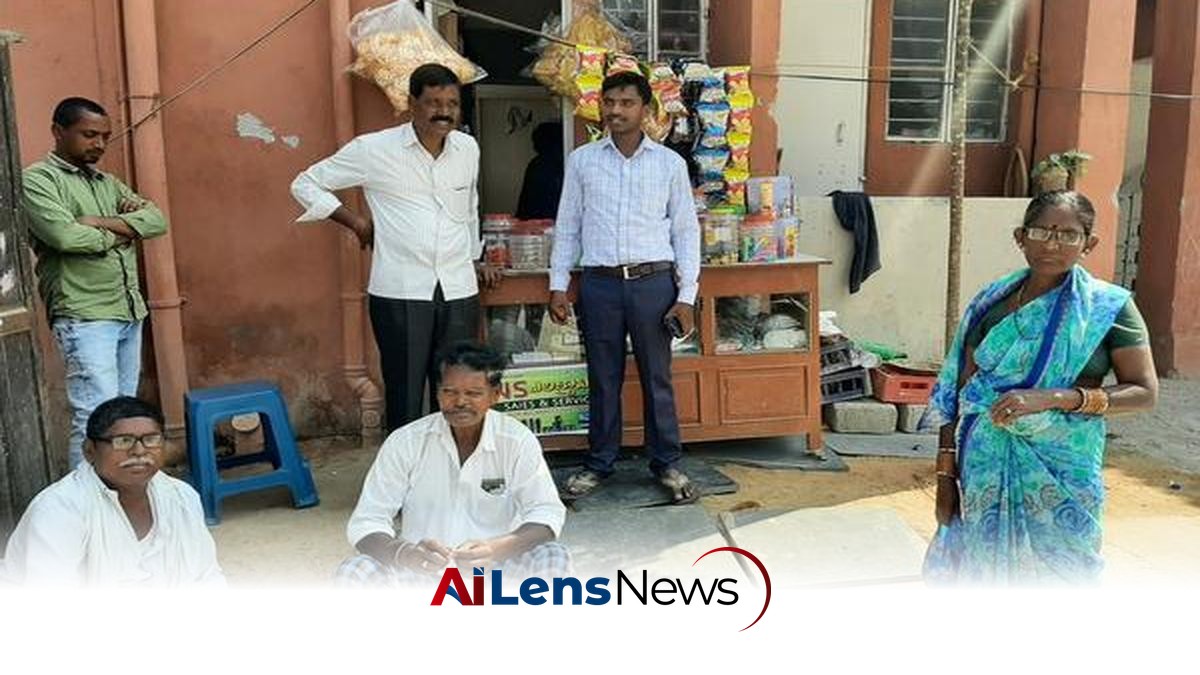
Chandigarh, India Apr 12, 2021 ALN: A group of people are gathered at a makeshift roadside grocery store, run by Timirishetti Lavanya, at this 2BHK colony at Sangapur on the outskirts of Gajwel. Ms. Lavanya, like all other members of the group, is an oustee from Erravalli village in Kondapaka mandal in the district and has been temporarily accommodated here before being handed over the promised houses at Rehabilitation and Resettlement Colony at Mutrajpally.
Two elderly persons — D. Rajaiah and Edla Balamallaiah — recently displaced from Erravalli are sitting on the footpath in front of the shop striking up conversation with fellow oustees. This gathering, while appearing ordinary on the surface, reflects a deeper issue that has arisen from their displacement: the lack of stable livelihoods and the uncertainty that looms over their future.
Under any other circumstances, the scene might have appeared normal. However, at Sangapur 2BHK colony, the biggest issue is that not one of them has a source of livelihood, and no one has any idea of what the future holds for them. All they can do is indulge in chit-chat to while away the time, a stark contrast to their previous lives where they were actively engaged in farming and other occupations.
Mr. Rajaiah has four brothers, and together they had about 3.3 acres of land in Erravalli. Their land was taken over by the government for the construction of the Mallannasagar project, a significant irrigation initiative aimed at improving water supply in the region. They received compensation of nearly ₹ 20 lakh, of which Rajaiah’s share was ₹ 4 lakh. However, that amount has been spent addressing family needs over the past few years, leaving him with little to sustain himself and his family now that he is without land or a steady income.
The case of Mr. Balamallaih is somewhat better, yet still fraught with challenges. He sold three acres of land in the village for the project and received ₹ 18 lakh as compensation. He spent about ₹ 15 lakh and bought a housing plot of 200 square yards near Kuknoorpally, a decision made in the hope of establishing a new life. However, the remaining funds were quickly depleted by other family requirements, and with no additional income, he too faces an uncertain future.
“At Erravalli, we used to work in our fields or in the fields of neighbors. Now there is no work as our lands have been taken over by the government for the Mallannasagar project. We are living out of the compensation amount received from selling our lands. We do not know what to do and what is there in store for us,” says Mr. Rajaiah. His words encapsulate the feelings of despair and helplessness that many oustees share, as they grapple with the transition from landowners and farmers to displaced individuals reliant on temporary accommodations and dwindling resources.
“We were promised permanent accommodation at Mutrajpally within one month at the time of vacating our village. We came here about three months ago, and the houses are yet to be handed over. It may take a few more months to go into our new houses,” said another Erravalli oustee, unwilling to be identified. This delay in the promised housing not only exacerbates their current struggles but also raises questions about the adequacy of support provided to those displaced by such large-scale projects.
Palle Raju, who was vice president of Erravalli, noted that while the primary allotment of houses was completed, the construction of individual houses at Mutrajpally is likely to take a few more weeks. He added that they were making do with the temporary accommodation at Sangapur, but the uncertainty surrounding their future remains a pressing concern. The situation highlights the broader implications of displacement due to development projects, where the promise of progress often comes at the cost of the livelihoods and stability of local communities.
The Mallannasagar project, like many others, was initiated with the intention of enhancing agricultural productivity and providing better irrigation facilities to farmers in the region. However, the displacement of individuals like Mr. Rajaiah and Mr. Balamallaih raises critical questions about the balance between development and the rights of those affected. The government’s approach to compensation and resettlement has often been criticized for its inadequacy, leaving many oustees struggling to adapt to their new circumstances without the necessary support systems in place.
As the oustees wait for their new homes and the promise of stability, the lack of employment opportunities poses a significant challenge. Many of them are accustomed to agricultural work and have limited skills in other sectors. This transition can be particularly difficult for older individuals who may find it hard to adapt to new job markets or training programs. The absence of a clear plan for livelihood restoration further complicates their situation, as they are left to navigate an uncertain economic landscape without guidance or resources.
Furthermore, the emotional toll of displacement cannot be overlooked. The sense of community that existed in Erravalli has been disrupted, and many oustees report feelings of isolation and anxiety about their future. The social fabric that once held them together is fraying, as they find themselves scattered in temporary accommodations, each grappling with their own challenges and fears.
The plight of the oustees from Erravalli serves as a microcosm of the broader issues faced by communities affected by large-scale development projects across India. While the government may tout the economic benefits of such initiatives, the human cost often remains hidden from view. The stories of individuals like Mr. Rajaiah and Mr. Balamallaih remind us that development should not come at the expense of the vulnerable, and that adequate support and planning are essential to ensure that those displaced are not left behind in the pursuit of progress.
As the oustees await their new homes and the resolution of their livelihoods, it is imperative for policymakers to consider the long-term implications of displacement and to prioritize the needs of affected communities. Implementing comprehensive resettlement plans that include not only housing but also livelihood restoration, skill development, and social support can help mitigate the negative impacts of such projects. Only then can the true promise of development be realized, ensuring that it benefits all members of society, especially those who are most vulnerable.
To learn more about the latest developments in Society & Social Issues, stay updated with our exclusive reports and analyses on AiLensNews.

