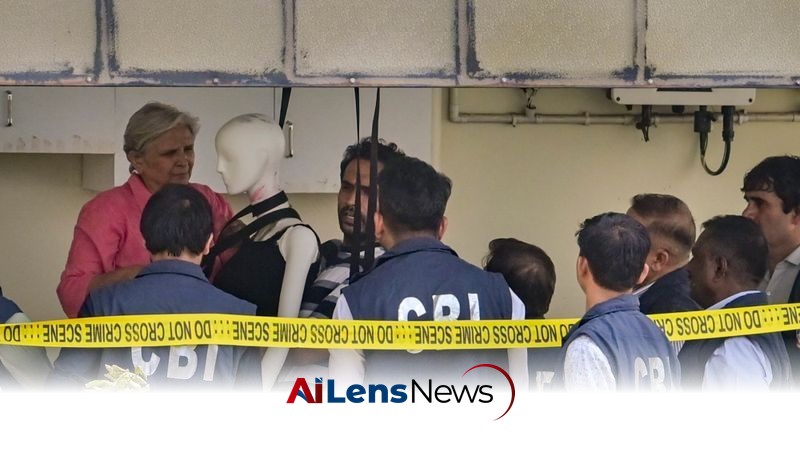


The AIIMS-Delhi report confirms the presence of skin tissue on the gym belt linked to Twisha's death, providing critical evidence for the CBI investigation.
Chandigarh, India Jul 12, 2026 ALN: The tragic case of Twisha Singh, who was found hanging at her marital home on May 12, has taken a significant turn with the final report from AIIMS-Delhi. This report, which has been submitted to the Central Bureau of Investigation (CBI), confirms the presence of skin tissue on the gym belt associated with her death. The implications of this finding could be profound, potentially altering the trajectory of the investigation into her untimely demise.
Twisha, who married Samarth Singh last December, was discovered in a distressing state, prompting immediate investigations into the circumstances surrounding her demise. The findings from AIIMS are pivotal, as they provide crucial forensic evidence that may shed light on the events leading up to her death. The case has raised numerous questions about domestic violence and the pressures faced by individuals in marital relationships, particularly among young couples.
Twisha's death raised numerous questions and sparked widespread media attention. The initial investigation suggested that her death could be linked to foul play, leading to the involvement of the CBI. This escalation to a federal investigation reflects the seriousness with which authorities are treating the case, particularly given the potential implications for domestic violence and marital discord. The CBI has been actively pursuing leads and gathering evidence to ascertain the truth behind this tragic incident, which has captured the public's attention and concern.
In the days following Twisha's death, various media outlets reported on the circumstances surrounding her marriage, exploring her relationship with her husband, Samarth Singh. Family members and friends have spoken out about Twisha's character and the dynamics of her marriage, with some suggesting that there may have been underlying issues that contributed to her death. This has led to a broader conversation about the pressures young women face in marriages, the societal expectations placed upon them, and the potential for domestic abuse.
Twisha's case is not isolated; it mirrors a disturbing trend in many societies where young women often find themselves trapped in abusive relationships. The societal pressures to maintain a facade of a perfect marriage can lead to tragic outcomes, as individuals may feel they have no option but to endure abuse in silence. The investigation into Twisha’s death is thus not only about uncovering the truth behind her demise but also about addressing the larger societal issues that contribute to domestic violence.
The AIIMS report is particularly significant as it confirms the presence of skin tissue on the gym belt found at the scene. This evidence could potentially indicate a struggle or altercation prior to Twisha's death, which may support theories of foul play. Forensic experts emphasize the importance of such findings in criminal investigations, as they can provide critical insights into the events that transpired before a death. The presence of skin tissue suggests that Twisha may have fought back against an assailant, raising further questions about what truly happened in her final moments.
Forensic science plays a crucial role in modern investigations, and the AIIMS findings highlight the intersection of science and law. The ability to analyze skin tissue can lead to DNA profiling, which could identify the individual involved in the altercation and potentially link them to the scene. Such advancements in forensic technology have revolutionized how investigations are conducted, allowing for more accurate and reliable conclusions.
As the investigation unfolds, the CBI is expected to delve deeper into Twisha's relationships and any possible motives that could have led to her tragic end. The agency's commitment to uncovering the truth remains steadfast, and the AIIMS report serves as a critical piece of evidence in their ongoing efforts. The investigation is likely to scrutinize not only the immediate circumstances of her death but also the broader context of her life, including her mental health, social relationships, and any previous incidents of domestic conflict.
The case has resonated deeply within the community, with many expressing their condolences and calling for justice for Twisha. Social media platforms have been abuzz with discussions surrounding the case, highlighting the need for thorough investigations in similar instances of domestic issues. Advocacy groups focusing on women's rights and domestic violence have seized upon this case to raise awareness about the dangers many women face in their own homes.
In response to Twisha's death, community leaders and activists have organized events to honor her memory and to advocate for stronger protections for women in abusive relationships. These gatherings serve not only as a tribute to Twisha but also as a platform for educating the public about the signs of domestic violence and the resources available to those in need. The mobilization of community support underscores the collective desire for change and the need to address systemic issues surrounding domestic violence.
As the CBI continues its investigation, the hope remains that justice will be served for Twisha Singh and her family, providing them with the closure they desperately seek. The case has also sparked a renewed discussion about the necessity of legal reforms to better protect individuals from domestic violence and to ensure that cases like Twisha's are thoroughly investigated and prosecuted. Legal experts and activists are calling for stronger laws that not only punish offenders but also provide support to victims.
In conclusion, the AIIMS-Delhi report marks a crucial development in the Twisha Singh case, reinforcing the importance of forensic evidence in unraveling the truth behind her untimely death. The presence of skin tissue on the gym belt not only raises serious questions about the circumstances leading to her death but also highlights the need for continued vigilance and advocacy regarding domestic violence. As the investigation progresses, all eyes will be on the CBI to see how they navigate the complexities of this case and whether they can bring justice to Twisha and her grieving family. Moreover, the case underscores the urgent need for societal change, legal reform, and increased awareness regarding domestic violence, ensuring that future generations do not face similar tragedies.
To learn more about the latest developments in Crime & Law, stay updated with our exclusive reports and analyses on AiLensNews.

