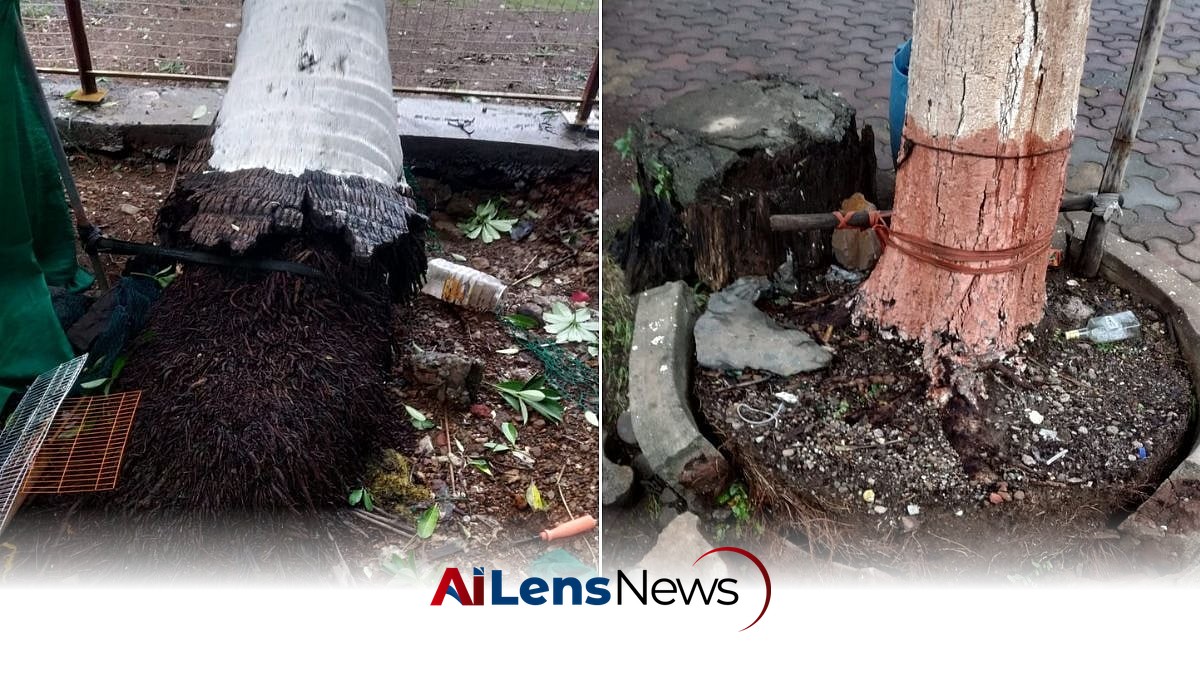


In response to fatal tree collapses during the monsoon, the BMC has mandated the removal of concrete around trees and will establish an expert panel for tree conservation.
New Delhi, India Jul 12, 2026 ALN: Mumbai: In a decisive response to a series of tragic incidents involving tree collapses that resulted in fatalities, the Brihanmumbai Municipal Corporation (BMC) has mandated that all road engineers conduct thorough inspections of roadside trees in their respective areas. This directive includes the immediate removal of any concrete encasements surrounding tree bases. The BMC's administration announced this initiative during an extensive civic house meeting held early Saturday morning, following a lengthy debate regarding the recent fatalities linked to tree collapses during the monsoon season.
Marathon Civic Debate Discusses 11 Monsoon-Related Deaths
The special general body meeting convened by the BMC began at 2:30 PM on Friday and concluded just before 2:30 AM on Saturday, marking one of the longest discussions within the civic house in recent memory. During this marathon session, 44 of the 227 corporators from various political factions—including the BJP-led Mahayuti alliance, Shiv Sena (UBT), Congress, Maharashtra Navnirman Sena (MNS), AIMIM, and the NCP—engaged in a detailed discourse. This extensive debate was triggered by the alarming toll of 11 deaths attributed to tree collapses, open manholes, and a building collapse during the monsoon.
In light of the tragic events, Additional Municipal Commissioner Vipin Sharma emphasized the urgency of addressing the safety of roadside trees. He referenced a circular issued by Municipal Commissioner Ashwini Bhide on July 3, which called for road engineers to inspect all roadside trees in their wards. "Officials have been instructed to immediately remove concrete encasing tree bases wherever found. We are also planning to constitute an expert panel under the Tree Authority to guide scientific tree pruning and conservation," Sharma stated. This initiative is part of a broader effort to enhance urban forestry management and ensure the safety of residents during the monsoon season when tree collapses are more prevalent due to heavy rains and strong winds.
Sharma further elaborated on the BMC's commitment to increasing Mumbai's green cover through a large-scale tree plantation drive. This initiative will target civic grounds, landfill sites, major infrastructure projects, and other BMC-owned properties. "Experts will be consulted to scientifically determine the species to be planted and the appropriate planting height. We have also begun a fresh tree census, which is expected to be completed by 2028. According to the 2018 census, Mumbai had 29.75 lakh trees, including 1.85 lakh roadside trees. We expect the city's tree cover to increase to around 40 lakh trees," he added. This ambitious plan aims not only to enhance the aesthetic appeal of the city but also to improve air quality and contribute to biodiversity.
Addressing the pressing issue of open manholes, Sharma clarified that the BMC had initiated a citywide drive in 2023 to install protective grills on all manholes. "It is an ongoing exercise as manhole covers are often stolen and new chambers are identified from time to time," he explained. This initiative is crucial for ensuring public safety, particularly during the monsoon when visibility is reduced and hazards can be easily overlooked. The BMC's proactive measures aim to mitigate risks associated with open manholes, which have contributed to accidents and fatalities in the past.
Moreover, regarding potholes, Sharma noted that the civic body had received 2,973 complaints following the recent heavy rainfall. Of these, around 250 cases are currently being addressed, while the remaining complaints have been resolved. Potholes are a recurring issue in Mumbai, exacerbated by the monsoon rains that often lead to road degradation. The BMC's response to these complaints is part of its ongoing commitment to maintaining road safety and infrastructure integrity.
The recent incidents and the subsequent BMC actions highlight the critical intersection of urban planning, environmental management, and public safety. The presence of concrete encasements around trees has been a longstanding concern among environmentalists and urban planners, as such encasements can inhibit tree growth and compromise their stability. The BMC's decision to remove these encasements reflects a growing recognition of the importance of trees in urban environments, particularly in mitigating urban heat and improving air quality.
The establishment of an expert panel under the Tree Authority also signifies a shift towards a more scientific approach to urban forestry management. This panel is expected to provide guidance on best practices for tree care, including pruning techniques and species selection that are better suited to Mumbai's unique climatic conditions. The integration of expert advice into municipal policy could lead to more effective management of the city's green spaces.
In a broader context, the BMC's initiatives align with global trends in urban sustainability, where cities are increasingly looking to enhance their green infrastructure as a means of combating climate change and improving urban resilience. As cities like Mumbai grapple with the impacts of extreme weather events, the role of trees and green spaces becomes ever more critical. The BMC's commitment to increasing tree cover is not merely an aesthetic endeavor; it is a public health and safety initiative that could have far-reaching implications for the city's inhabitants.
In conclusion, the BMC's recent directives regarding tree management and urban safety are a response to urgent public safety concerns and reflect a broader commitment to sustainable urban development. As the city moves forward with these initiatives, the focus will likely remain on balancing urban growth with environmental stewardship, ensuring that Mumbai remains a livable and vibrant city for its residents.
Furthermore, it is important to recognize the significance of urban forestry in combating climate change. Trees play a vital role in absorbing carbon dioxide, releasing oxygen, and providing shade, which helps to cool urban areas. They also contribute to the overall aesthetic of the city, making it more appealing to residents and visitors alike. The BMC's initiatives may also serve as a model for other urban centers facing similar challenges, showcasing the importance of proactive measures in urban planning and environmental conservation.
As the BMC embarks on this ambitious plan, it will be essential to monitor the effectiveness of these measures and ensure that they are implemented efficiently. Community involvement and public awareness campaigns may also play a crucial role in the success of these initiatives, fostering a sense of responsibility among residents to care for their urban environment. The collaboration between the BMC, environmental experts, and the community could lead to a more sustainable and resilient Mumbai, capable of withstanding the challenges posed by climate change and rapid urbanization.
In light of the ongoing challenges posed by urbanization and climate change, the BMC's actions represent a significant step towards creating a safer, greener, and more sustainable Mumbai. As the city continues to develop, the integration of green spaces and effective urban management practices will be essential in ensuring the well-being of its residents and the preservation of its natural resources.
To learn more about the latest developments in Science & Environment, stay updated with our exclusive reports and analyses on AiLensNews.

