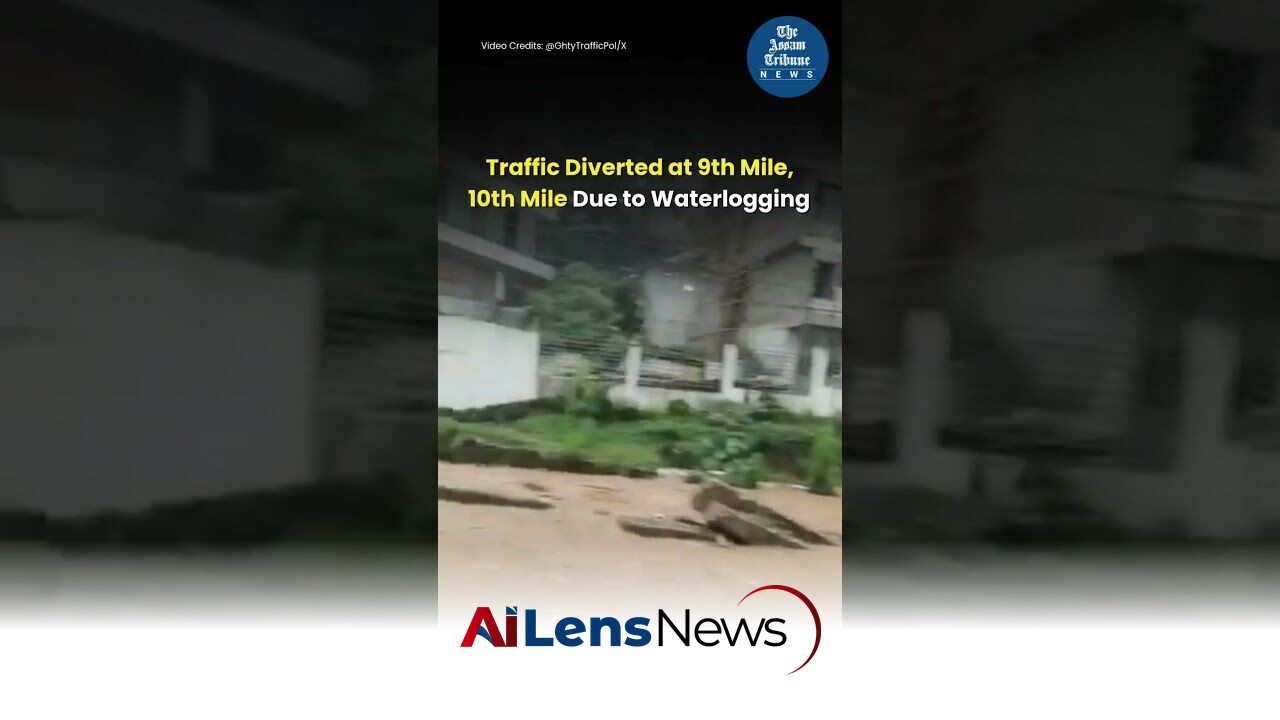


Heavy rainfall has led to significant waterlogging at 9th and 10th Mile, causing traffic diversions and delays.
Itanagar, India Jul 12, 2026 ALN: Severe waterlogging has resulted from heavy rainfall in the region, leading to significant traffic disruptions at the 9th and 10th Mile areas. Authorities have implemented traffic diversions to ensure the safety of commuters and to manage the flow of vehicles. The impact of this waterlogging is not just limited to traffic; it extends to various sectors including local businesses, emergency services, and the overall quality of life for residents.
The waterlogged streets have made it difficult for vehicles to navigate, prompting local traffic management to reroute traffic away from the affected areas. Commuters are advised to seek alternative routes to avoid delays and potential hazards. In addition to the immediate inconvenience, prolonged waterlogging can lead to more severe issues such as road damage, increased wear and tear on vehicles, and potential accidents due to reduced visibility and slippery conditions.
Local residents have expressed concerns about the recurring issue of waterlogging during heavy rains, highlighting the need for improved drainage systems to prevent such occurrences in the future. This situation is not unique to the 9th and 10th Mile areas; many urban centers face similar challenges, particularly those with aging infrastructure or inadequate drainage systems. Waterlogging can be exacerbated by urbanization, where natural drainage patterns are altered by the construction of roads, buildings, and other structures, leading to increased runoff and reduced absorption of water into the ground.
The implications of this waterlogging extend beyond immediate traffic disruptions. It raises questions about urban planning and infrastructure resilience in the face of extreme weather events, which are becoming more frequent due to climate change. As global temperatures rise, the intensity and frequency of rainfall are also expected to increase, putting additional pressure on existing drainage systems. This has led urban planners and local governments to rethink their strategies for managing stormwater and ensuring that infrastructure can withstand such weather events.
In response to the current situation, local authorities are not only monitoring the waterlogged areas but are also assessing the long-term needs of the community. This includes evaluating the effectiveness of current drainage systems and considering upgrades or new projects to enhance water management capabilities. Some potential solutions may involve the implementation of green infrastructure, such as permeable pavements, rain gardens, and enhanced stormwater management systems that can help absorb and manage excess rainwater more effectively.
As the rain continues, authorities are monitoring the situation closely and are prepared to take further action if necessary. This may include deploying additional resources for emergency response, such as pumps to remove standing water, and increasing public communication efforts to keep residents informed about road conditions and safety measures. Commuters are urged to remain cautious and to stay updated on traffic advisories as conditions evolve. It is crucial for individuals to be proactive in planning their routes and to consider alternative transportation options, such as public transit, where available.
The ongoing waterlogging at 9th and 10th Mile serves as a reminder of the challenges posed by heavy rainfall and the importance of effective urban infrastructure to mitigate such issues. As cities grow and climate patterns shift, the need for robust and adaptive infrastructure becomes increasingly critical. Stakeholders, including government agencies, urban planners, and community members, must work together to develop comprehensive strategies that address both immediate needs and long-term sustainability.
Furthermore, public awareness and community engagement play a vital role in addressing these challenges. Residents are encouraged to participate in local discussions about urban planning and infrastructure improvements. By voicing their concerns and suggestions, they can contribute to a more resilient community that is better equipped to handle the impacts of severe weather events.
In conclusion, the current situation of waterlogging at the 9th and 10th Mile highlights not only the immediate disruptions caused by heavy rainfall but also the broader implications for urban infrastructure and community resilience. As authorities work to manage the current crisis, it is an opportune moment for reflection on how to improve urban planning and infrastructure to better withstand future challenges posed by climate change and extreme weather.
To provide additional context, it is essential to recognize that urban flooding, particularly in metropolitan areas, has been a growing concern for many years. The increasing frequency of heavy rainfall events has been linked to climate change, which has altered weather patterns globally. Cities that were once able to manage stormwater effectively are now struggling to cope with the volume of rainwater that falls within a short period. This is particularly evident in regions with a high level of impervious surfaces, such as asphalt and concrete, which do not allow water to be absorbed into the ground.
Moreover, the challenge of waterlogging is compounded by socio-economic factors. Low-income communities often bear the brunt of inadequate infrastructure, as they may lack the resources to advocate for improvements or to invest in flood-resistant measures. This disparity highlights the importance of inclusive urban planning that considers the needs of all residents, particularly those in vulnerable situations.
As cities continue to expand, the integration of nature-based solutions into urban planning has emerged as a promising approach. These solutions not only help manage stormwater but also enhance urban biodiversity and improve the aesthetic value of neighborhoods. For example, green roofs, which involve planting vegetation on rooftops, can help absorb rainwater while providing insulation and reducing urban heat. Similarly, the creation of urban wetlands can serve as natural sponges, absorbing excess rainwater and providing habitats for wildlife.
In light of the current waterlogging incident, it may also be beneficial for local authorities to engage in public education campaigns that inform residents about the importance of maintaining drainage systems and the role they can play in preventing blockages, such as keeping gutters clear of debris. Community involvement in environmental stewardship can foster a sense of ownership and responsibility among residents, leading to more sustainable practices.
In summary, the waterlogging at the 9th and 10th Mile not only disrupts daily life but also serves as a critical reminder of the pressing need for improved infrastructure and community resilience in the face of climate change. By addressing these challenges collaboratively and proactively, stakeholders can work towards creating a safer, more sustainable urban environment for all residents.
To learn more about the latest developments in Local & Regional, stay updated with our exclusive reports and analyses on AiLensNews.

