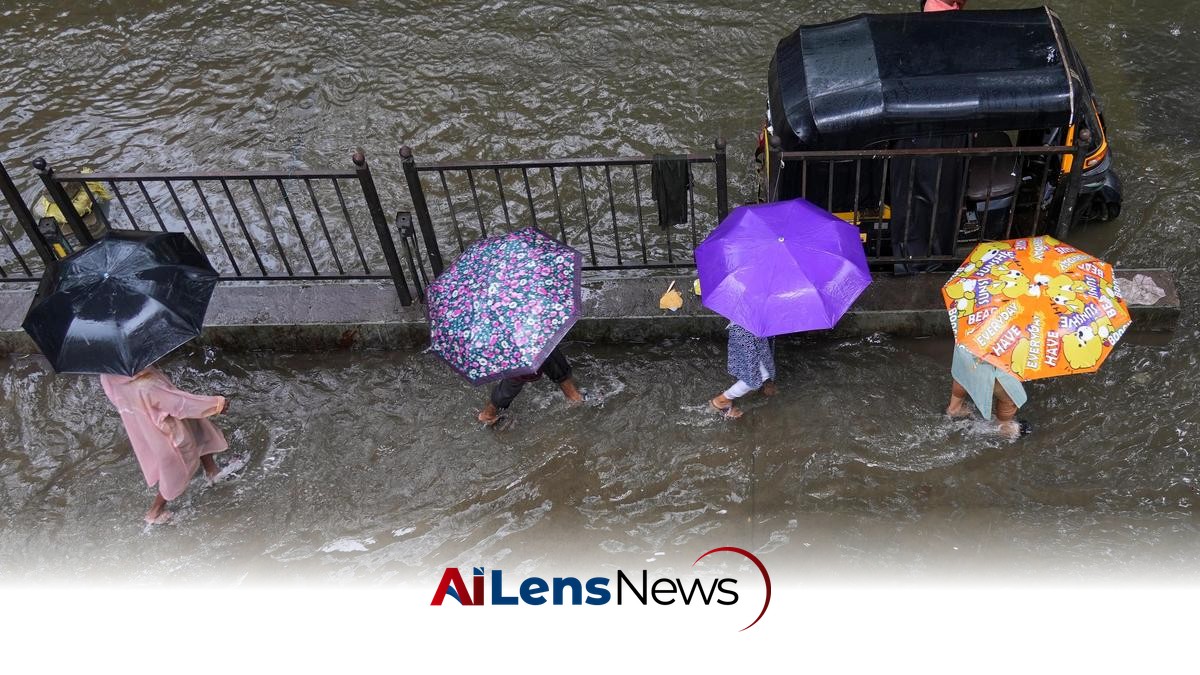


The IMD has issued a red alert for heavy rainfall in Odisha and Mumbai as weather conditions worsen, impacting transport and causing flash floods.
New Delhi, India Jul 4, 2026 ALN: The India Meteorological Department (IMD) has issued a ‘red’ warning for very heavy to extremely heavy rainfall in five districts of Odisha as of July 4, 2026. This warning is significant, as it indicates severe weather conditions that could lead to dangerous situations for residents in the affected areas. The warning comes in response to a low-pressure area over the Bay of Bengal that has intensified into a well-marked system. The IMD's proactive measures aim to ensure public safety and preparedness ahead of the anticipated downpours.
The districts affected by the red warning include Kandhamal, Boudh, Angul, Sambalpur, and Sonepur. These regions are known for their varied topography and agricultural activities, which can be significantly impacted by heavy rainfall. The topography of Odisha features a mix of hills, plains, and rivers, which can exacerbate flooding risks. Residents in these areas are advised to stay alert and prepare for severe weather conditions, including potential flooding and landslides. The IMD has recommended that people avoid unnecessary travel and stay indoors during the peak rainfall hours.
In addition to the warnings in Odisha, the IMD has also issued a red alert for Mumbai, predicting heavy to very heavy rainfall across the city and its suburbs. The forecast includes the possibility of extremely heavy showers accompanied by gusty winds reaching speeds of up to 60 km/h in isolated areas. Given Mumbai's dense population and urban infrastructure, such weather conditions can lead to significant disruptions, including waterlogging, traffic snarls, and impacts on local businesses. However, civic officials have reported that public transport remains operational at this time, which is crucial for the daily commuters in this bustling metropolis. The resilience of Mumbai's infrastructure will be tested as the city braces for the predicted downpours.
Recent heavy rains have already had a considerable impact across various regions in India. Flash floods and landslides caused by heavy rains a week ago have severely affected several remote villages in Arunachal Pradesh, isolating them from the rest of the state. The challenging topography of Arunachal Pradesh, characterized by hilly terrains and narrow roads, makes it particularly vulnerable to such natural disasters. In response to the crisis, the administration has deployed a commercial helicopter to deliver emergency food and medical supplies to the affected areas, highlighting the urgent need for effective disaster management strategies in remote regions.
The situation in Arunachal Pradesh underscores the importance of timely and effective disaster response mechanisms. The isolation of villages due to landslides can hinder relief efforts, making it imperative for the government to have contingency plans in place. The deployment of helicopters for emergency supplies, while effective, is often limited by weather conditions and the availability of aircraft. As such, ground-level infrastructure improvements are also essential to ensure that remote areas can be accessed during emergencies.
Moreover, environmentalists are raising concerns about the increasing frequency and intensity of such weather events. They are urging the Tamil Nadu government to establish a dedicated El Niño monitoring cell. El Niño is a climate pattern that can significantly influence weather conditions across the globe, including India, leading to unpredictable rainfall patterns. By closely monitoring these patterns, authorities can better prepare for future weather events and mitigate their impact on vulnerable populations. The implications of El Niño and its counterpart, La Niña, on monsoon patterns are critical for agricultural planning and disaster preparedness.
As heavy rains continue to pose challenges, infrastructure in many regions has come under strain. Recent heavy rains have led to collapsed bridges and road blockades due to landslides in multiple locations. Areas such as Rotte, Rame, Loglu, Lipin, Mane, Tene, Sipu, Kakki, Kadu, Rina, Sido, and Korang in Lower Siang have become completely isolated. This situation underscores the urgent need for infrastructure improvements and robust disaster response strategies. The isolation of these areas not only hampers immediate relief efforts but also affects long-term recovery and development.
The challenges faced by local governments and agencies in responding to such disasters are compounded by the need for comprehensive planning and investment in resilient infrastructure. Stakeholders emphasize the importance of building roads, bridges, and communication networks that can withstand extreme weather events. Furthermore, educating communities about disaster preparedness and response can play a crucial role in minimizing the impact of such natural disasters. Community engagement in disaster preparedness initiatives can foster a culture of resilience that is vital in times of crisis.
In light of these developments, it is critical for both state and central governments to collaborate on disaster management initiatives. This includes enhancing forecasting capabilities, improving early warning systems, and ensuring timely dissemination of information to the public. As climate change continues to exacerbate weather extremes, proactive measures will be essential in safeguarding lives and livelihoods. The integration of technology in weather forecasting and disaster management can lead to more effective responses and better resource allocation during emergencies.
The current situation serves as a reminder of the interconnectedness of weather patterns and the importance of regional cooperation in disaster management. As the IMD continues to monitor the evolving weather conditions, it remains imperative for residents in affected areas to stay informed and prepared. The coming days will be crucial as the impact of the predicted heavy rainfall unfolds, and the response from local authorities will be closely observed by both residents and experts alike.
As the situation develops, authorities and citizens alike are encouraged to remain vigilant and responsive to updates from the IMD and local government agencies. The importance of community resilience and preparedness cannot be overstated, especially in regions prone to extreme weather events. By fostering a culture of preparedness and collaboration, communities can enhance their ability to withstand and recover from the impacts of severe weather.
In conclusion, the red alerts issued by the IMD for Odisha and Mumbai signify a critical juncture in India's monsoon season. With the potential for severe weather, it is essential for all stakeholders to prioritize safety, preparedness, and effective response to mitigate the impacts of heavy rainfall and its associated challenges. The coordination between government agencies, local communities, and disaster management organizations will be vital in ensuring that the risks posed by extreme weather events are managed effectively, ultimately contributing to the resilience and sustainability of affected regions.
Follow for LIVE updates
To learn more about the latest developments in Science & Environment, stay updated with our exclusive reports and analyses on AiLensNews.

