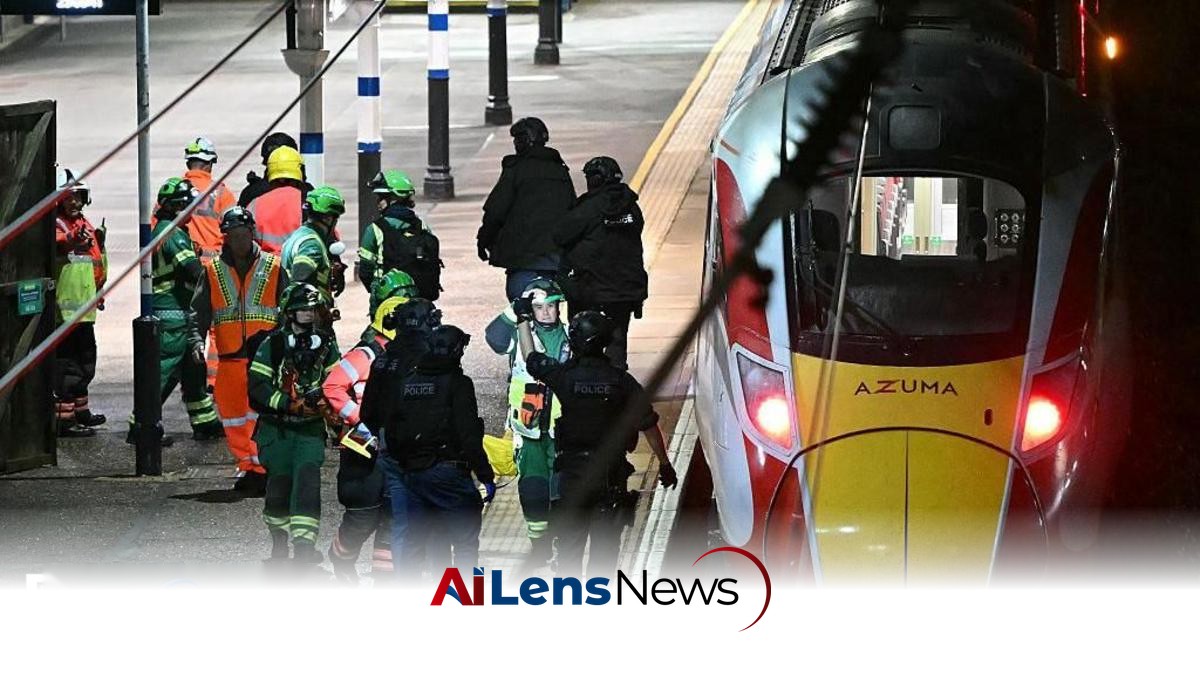


Anthony Williams pleads not guilty to multiple charges after passengers were stabbed onboard a train traveling from Doncaster to London.
New Delhi, India Jul 9, 2026 ALN: A man has denied the attempted murder of 10 people who were stabbed on a train.
Passengers were seriously injured on the LNER service which was travelling from Doncaster to London King's Cross, shortly after it called at Peterborough on 1 November. The incident has raised significant concerns regarding safety on public transport and the potential for violent crime in seemingly secure environments. The attack was particularly shocking as it occurred in a setting that many commuters consider safe, drawing attention to the vulnerabilities that exist even in everyday travel.
Anthony Williams, 33, from Langford Road in Peterborough, appeared at Cambridge Crown Court, where he entered his pleas via video link. This method of appearance is increasingly common in the UK legal system, especially due to the ongoing impacts of the COVID-19 pandemic, which has necessitated changes in how court proceedings are conducted. The use of video links has allowed courts to continue functioning while adhering to public health guidelines, but it also raises questions about the accessibility of justice for defendants and victims alike.
During the court session, Williams also pleaded not guilty to 11 other offences, including four more attempted murder charges related to other attacks in Peterborough and east London prior to the train incident. These additional charges suggest a pattern of violent behavior that has alarmed local communities and law enforcement agencies alike. The fact that Williams is facing multiple charges of attempted murder indicates a troubling trend of escalating violence that authorities may need to address more comprehensively.
Williams appeared via video link from Rampton Hospital, a secure psychiatric facility in Nottinghamshire, which indicates that he may be undergoing mental health evaluations. He was wearing a white T-shirt, and his demeanor was described as hunched, as he consistently replied "not guilty" to each of the charges. This response is a legal standard in the UK, where defendants have the right to plead not guilty and contest the evidence presented against them. The choice of Rampton Hospital as his location also suggests that mental health considerations are central to his case, potentially influencing both the legal proceedings and public perception.
On the day of the incident, the 18:25 service from Doncaster was diverted and stopped at Huntingdon, where Williams was arrested. This swift action by law enforcement was crucial in preventing further harm and ensuring the safety of the other passengers on board. Multiple 999 calls had been made from the train, highlighting the urgency and severity of the situation as passengers sought immediate assistance. The rapid response of emergency services not only helped to contain the situation but also highlighted the importance of effective communication and emergency protocols in public transport settings.
Williams faces a total of 21 charges, which encompass a range of violent and serious offenses. He is charged with attempting to murder Jonathan Gjoshe, Sachin Balakrishnan, David Presland, Scott Bletcher, Scott Green, Kevin Deely, Stephen Crean, Raza Aslam, Michael Paffett, and Samir Zitouni on the train near Huntingdon on 1 November 2025. The sheer number of attempted murder charges reflects the gravity of the situation and the potential loss of life that could have occurred had the attacks not been thwarted. This incident serves as a stark reminder of the potential for random acts of violence in public spaces, prompting discussions about how to better protect civilians in transit.
In addition to the attempted murder charges related to the train incident, Williams is also charged with attempting to murder Dawid Taborski, William Ogelby, and a 14-year-old boy in Peterborough the day before, as well as attempting to murder a 17-year-old boy in East London in the early hours of 1 November. These additional incidents suggest a disturbing escalation in violent behavior, raising questions about the motivations behind such attacks and the effectiveness of existing measures to prevent them. The pattern of violence displayed in these events may indicate deeper societal issues that are contributing to such behavior, including potential influences from mental health crises, societal instability, or other underlying factors that require attention.
The other seven charges against Williams include three counts of possessing a bladed article, which is a serious offense under UK law, as it relates to the unlawful possession of knives or other sharp objects that can be used to cause harm. Additionally, he faces one charge of assaulting a police officer and one of common assault on another train. The inclusion of these charges underscores the broader implications of his alleged actions, not only on the victims but also on law enforcement personnel who are often first responders in such violent situations. The presence of weapons in these incidents raises alarms about the accessibility of dangerous items in public areas and the need for stricter regulations and preventive measures.
Williams' trial is scheduled for 26 October, and it is expected to draw significant media attention due to the nature of the charges and the public interest in safety on public transport. The trial will likely examine the evidence presented by the prosecution, including witness testimonies from those who were on the train during the attack, as well as any forensic evidence that may have been collected. Given the high-profile nature of the case, it is anticipated that the proceedings will be closely monitored by both the public and media, shedding light on the complexities of the legal system and the challenges faced by those seeking justice.
The implications of this case extend beyond the courtroom. The incident has sparked discussions about the effectiveness of security measures on public transport systems, particularly in the wake of previous high-profile attacks in various cities around the world. Authorities may need to reassess their strategies for ensuring passenger safety, including the potential for increased surveillance, the presence of security personnel, and public awareness campaigns aimed at preventing violence. As public transport systems continue to evolve, ensuring the safety and security of passengers remains a top priority for both operators and law enforcement agencies.
Furthermore, the case raises important questions about mental health and its intersection with criminal behavior. If Williams is found to have been experiencing mental health issues at the time of the attacks, it may prompt discussions about the adequacy of mental health support services and the need for a more compassionate approach to dealing with individuals who may be struggling with such challenges. The intersection of mental health and crime is a complex issue that requires careful consideration from policymakers, mental health professionals, and society at large.
As the trial date approaches, the community and the families of the victims will be closely watching the proceedings, hoping for justice and a sense of closure. The outcome of this case could have lasting effects on public perception of safety in transportation systems and may influence future policy decisions aimed at preventing similar incidents from occurring. The emotional and psychological toll on the victims and their families cannot be understated, as they grapple with the aftermath of such a traumatic event.
In summary, the charges against Anthony Williams are serious and multifaceted, reflecting a complex interplay of violence, mental health, and public safety. The upcoming trial will not only determine his legal fate but may also serve as a catalyst for broader conversations about how society addresses issues of violence and the protection of vulnerable individuals in public spaces. The implications of this case are profound, as communities seek to understand and address the underlying factors contributing to such violent acts, while also striving to enhance safety measures that protect innocent lives in transit.
To learn more about the latest developments in Crime & Law, stay updated with our exclusive reports and analyses on AiLensNews.

