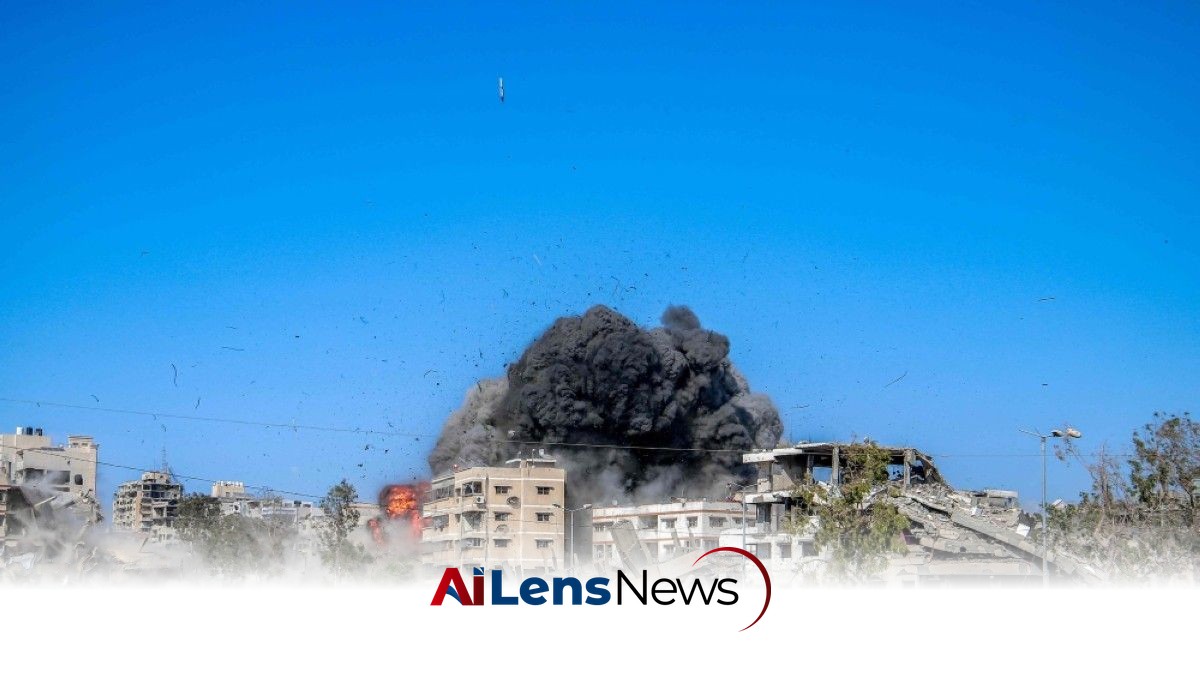


Recent Zionist attacks in Gaza resulted in the deaths of six individuals, including a 9-year-old girl, amid ongoing ceasefire negotiations.
Kuwait City, Kuwait Jul 13, 2026 ALN: Zionist attacks killed at least six people in the Gaza Strip on Sunday, including a 9-year-old girl, Palestinian health officials reported. The attacks occurred as mediators continued discussions to maintain the US-brokered ceasefire, which has been a focal point in the ongoing conflict between Israel and Hamas.
Medics indicated that gunfire from Zionist forces targeted a tent encampment on the eastern side of the Al-Bureij refugee camp, resulting in the death of 9-year-old Tala Abu Matar. The tragic death of a child in a conflict zone often underscores the human cost of military operations and raises international concerns regarding the protection of civilians. The Zionist military stated it was unaware of the incident, a claim that reflects the complexities and chaotic nature of warfare in densely populated areas like Gaza.
In a separate incident, an airstrike on a metal foundry in Gaza City’s Sabra neighborhood resulted in four fatalities. Witnesses reported that the site was struck by three missiles, further highlighting the destructive power of air strikes in urban settings. The Zionist military claimed it targeted “terrorist” infrastructure but did not provide further details. This raises questions about the criteria used to designate targets and the measures taken to minimize civilian casualties, which are often a point of contention in military operations.
Additionally, the military reported that since Thursday, its forces had killed at least two Hamas fighters in northern Gaza who were allegedly planning attacks on its troops. This assertion reflects the ongoing hostilities and the military's focus on eliminating perceived threats. Later on Sunday, another strike on a tent encampment in the Mawasi area of Khan Younis killed at least one person and injured several others, including children. The Zionist military did not immediately comment on this incident, which adds to the narrative of ongoing violence and the challenges of achieving lasting peace in the region.
The ceasefire established in October 2025 between the Zionist entity and Hamas halted major hostilities in the enclave but has not prevented ongoing Zionist attacks, which have resulted in over 1,000 Palestinian deaths since its implementation. This statistic highlights the fragility of the ceasefire and raises concerns about the effectiveness of diplomatic efforts to establish lasting peace. During the same period, four Zionist soldiers have been killed by militants in Gaza, indicating that the conflict is far from resolved and that both sides continue to suffer losses.
The recent violence coincides with Hamas leaders visiting Cairo for further discussions regarding the second phase of US President Donald Trump’s Gaza peace plan. These discussions reportedly include topics such as Hamas disarmament and the withdrawal of Zionist forces, although sources indicate that no breakthroughs have been achieved. The stalled negotiations reflect the deep-seated mistrust between the parties involved and the complexities of addressing the underlying issues that fuel the conflict.
Currently, nearly all of Gaza’s 2 million residents, many of whom have been displaced multiple times, reside in a narrow strip of land along the coast, primarily in makeshift tents or damaged buildings, under the control of Hamas. The humanitarian situation in Gaza has been dire, with limited access to essential services such as clean water, healthcare, and education. The ongoing blockade and military actions have exacerbated the plight of the civilian population, leading to widespread suffering and desperation.
According to Zionist reports, Hamas-led fighters killed 1,200 individuals during their cross-border attack into the Zionist entity on October 7, 2023. This attack marked a significant escalation in violence and prompted a strong military response from Israel. The Gaza health ministry has reported that over 73,000 Palestinians have died in the territory since that date, a staggering figure that underscores the devastating impact of the conflict on the civilian population.
The ongoing violence and the high number of casualties have drawn international attention and condemnation. Human rights organizations have called for investigations into potential war crimes and have urged both sides to adhere to international humanitarian law. The situation remains complex, with both sides entrenched in their positions, making it challenging to find common ground for peace.
In light of the recent attacks and the stalled ceasefire negotiations, the prospects for peace in the region appear bleak. The cycle of violence continues to perpetuate a climate of fear and instability, affecting not only those directly involved in the conflict but also the broader Middle East. As mediators work to revive dialogue, the urgent need for a sustainable resolution that addresses the root causes of the conflict becomes increasingly apparent.
As the situation develops, the international community watches closely, hoping for a resolution that can bring about an end to the suffering of civilians caught in the crossfire. The tragic events of recent days serve as a stark reminder of the human cost of war and the urgent need for effective diplomacy to bring about lasting peace in the region.
The ongoing conflict between Israel and Hamas is rooted in decades of territorial disputes, political tensions, and historical grievances. The Gaza Strip, a densely populated area with a high level of poverty, has been a focal point of these tensions. The blockade imposed by Israel and Egypt since Hamas took control of Gaza in 2007 has led to severe economic hardships for the residents, limiting access to essential goods and services.
The international community has often been divided in its response to the conflict, with various nations taking sides based on geopolitical interests, historical alliances, and humanitarian concerns. Efforts to broker peace have been complicated by the lack of trust between the parties, the presence of militant groups, and the differing visions for the future of the region. The cycle of violence perpetuates a sense of hopelessness among the civilian population, who bear the brunt of the conflict.
As the situation evolves, there is a pressing need for renewed diplomatic efforts that prioritize the protection of civilians and the establishment of a framework for lasting peace. The voices of those affected by the violence, particularly women and children, must be amplified in discussions of peace and reconstruction. Only through a comprehensive approach that addresses the humanitarian crisis, security concerns, and political aspirations can a sustainable resolution be achieved.
The tragic loss of life, particularly of innocent children like Tala Abu Matar, serves as a poignant reminder of the urgent need for a resolution to the conflict. The international community's response to these events will be crucial in shaping the future of the region and in determining whether a path towards peace can be forged amidst the ongoing violence.
To learn more about the latest developments in World News & International Affairs, stay updated with our exclusive reports and analyses on AiLensNews.

