

As US-Iran tensions escalate, UAE residents face disrupted flights and heightened maritime security. Stay informed on the latest developments affecting travel and shipping.
Kuwait City, Kuwait Jul 31, 2026 ALN: Heightened maritime security and air travel snags amid diplomatic uncertainty remain the biggest concerns for the region on Friday as the US and Iran continue their military confrontation. The geopolitical landscape in the Middle East has been fraught with tension for decades, with the US and Iran often at odds over various issues, including nuclear capabilities, regional influence, and support for proxy groups. This situation has escalated in recent months, leading to increased military posturing and economic sanctions that have further strained relations.
There have been no reports of direct attacks on the UAE, which has been a relatively stable and prosperous nation in the Gulf region. However, the ongoing conflict is affecting regional aviation, commercial shipping through the Strait of Hormuz, and global energy markets, which are critical to the UAE’s economy. The Strait of Hormuz is a vital waterway, with a significant percentage of the world's oil supply passing through it, making any disruption a cause for concern not only for the UAE but for the global economy as a whole.
Airlines, shipping companies, and governments across the Gulf are closely monitoring developments as tensions remain high. The potential for miscalculation or an accidental escalation is ever-present, and the consequences could be dire, affecting not only the immediate region but also global trade and energy supplies.
Multiple airlines have extended flight cancellations, rerouted aircraft, or suspended services to avoid airspace over Iran, Iraq, and other conflict-affected areas. This has led to a significant impact on travel plans for many passengers who rely on these routes. UAE carriers, which play a crucial role in connecting international travelers, continue operating many international routes but have warned passengers that schedules may change at short notice. This unpredictability can lead to increased frustration among travelers, as they navigate the complexities of travel in a time of heightened tension.
Travelers are advised to check their flight status before leaving for the airport, arrive earlier than usual, and expect possible delays due to enhanced security measures. The increased security protocols are a direct response to the heightened risks associated with the ongoing conflict, and they reflect the broader concerns of governments and airlines about the safety of their passengers and crews.
Washington announced additional sanctions targeting companies and individuals in China, India, and Russia accused of helping Iran's Islamic Revolutionary Guard Corps (IRGC) finance its operations and circumvent international sanctions. The IRGC has been a focal point of US criticism, as it plays a significant role in Iran's military and paramilitary activities across the region. The sanctions are intended to restrict Iran's access to global financial networks, oil revenues, and dual-use technologies, which can be used for both civilian and military purposes.
These sanctions are part of a broader strategy by the US to isolate Iran economically and diplomatically, hoping to compel Tehran to change its behavior regarding its nuclear program and regional activities. However, such measures can also have unintended consequences, potentially harming ordinary citizens and creating further resentment towards the US and its allies in the region.
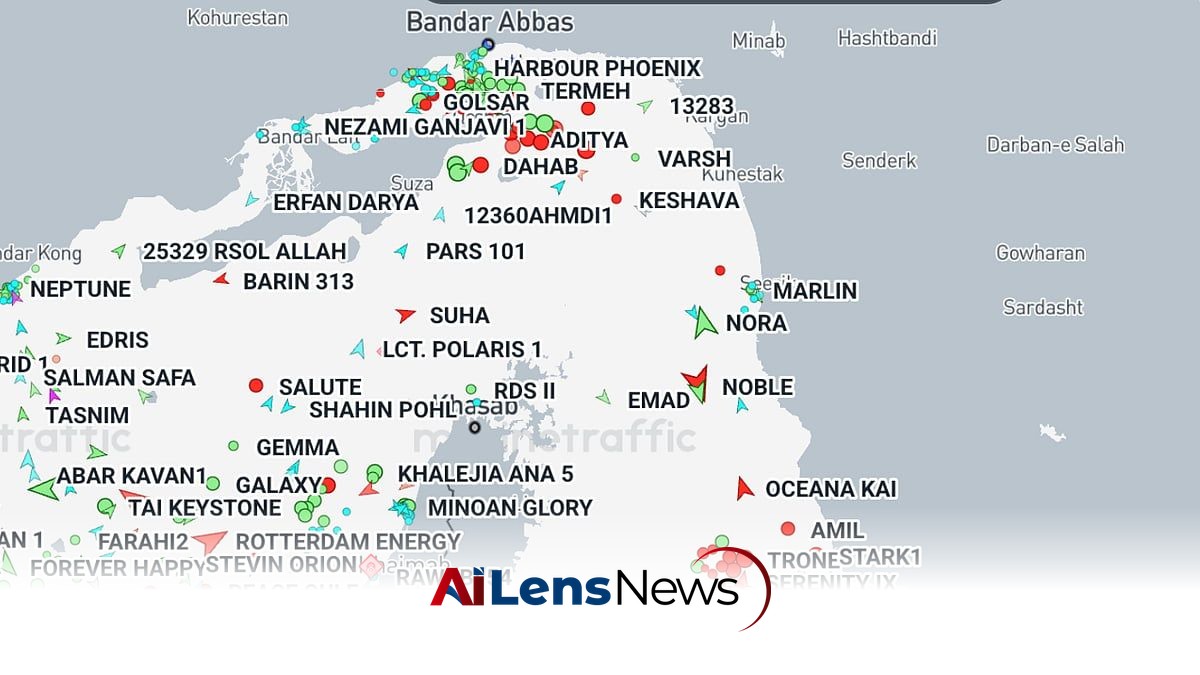
The Strait of Hormuz remains at the center of the crisis. The US Navy has increased maritime operations in the Gulf, reporting that 24 vessels had been turned back and two others disabled. Iran has maintained that it is challenging what it describes as a US-led blockade, which it claims is an infringement on its sovereignty and a threat to its national security. The situation in the Strait is particularly precarious, as any military confrontation could have catastrophic implications for global oil markets.
Washington, however, disputes Iranian claims that commercial shipping has been effectively blocked, saying international trade continues despite heightened security operations. This assertion is crucial for maintaining confidence among global markets, as disruptions in oil supply can lead to significant price fluctuations and economic instability.
Commercial tankers are still transiting the waterway, but shipping companies face higher insurance costs, longer voyage times, and increased naval escorts. These added expenses can ultimately be passed on to consumers, leading to higher prices for goods and services. The UAE sits just south of the Strait of Hormuz, making it one of the countries most exposed to disruptions in Gulf shipping and regional air traffic. This geographical reality places the UAE in a vulnerable position, as any escalation in the conflict could have dire economic consequences.
Dubai and Abu Dhabi serve as major global aviation and logistics hubs linking Europe, Asia, and Africa. Any escalation in the conflict could ripple through tourism, trade, aviation, and supply chains, even if the UAE itself is not directly involved. The economic implications of such disruptions could be profound, affecting everything from tourism to the availability of goods in local markets.
Pakistan has stepped up efforts to encourage direct talks between Washington and Tehran, reflecting growing concern that continued fighting could destabilize the wider Middle East. Diplomatic engagement is crucial in de-escalating tensions, but the path to dialogue is fraught with challenges, particularly given the deep-seated mistrust between the two nations. The involvement of third-party nations like Pakistan highlights the complexity of the situation and the need for collaborative efforts to address the crisis.
Meanwhile, regional security concerns intensified after reports of a drone strike in Egypt underscored the potential vulnerability of U.S. interests beyond the immediate conflict zone. Such incidents can serve as a reminder of the broader implications of the US-Iran conflict, as regional actors may feel emboldened to act in ways that further complicate the security landscape.
Separately, U.S. President Donald Trump announced what he described as an agreement aimed at securing Hamas' disarmament in Gaza. While the proposal is part of broader regional diplomacy, its direct impact on the U.S.-Iran conflict remains uncertain. The intersection of various conflicts in the region can create a complex web of diplomatic challenges, making it difficult to achieve lasting peace.
For most residents, daily life in the UAE remains largely normal. However, authorities and industry experts advise remaining alert to rapidly changing travel conditions. The UAE government has been proactive in addressing potential risks, implementing measures to ensure the safety and security of its residents and visitors.
If you're flying today:
Check your airline's website or mobile app before heading to the airport.
Expect possible delays, cancellations, or rerouting.
Arrive early to allow additional time for check-in and security screening.
If you work in shipping or logistics:
Disruptions to freight schedules may happen.
Shipping insurance and transport costs are likely to remain elevated while tensions persist.
Oil prices dropped on Friday (as of 9.24am GST, July 26, 2026) as traders weighed continued energy exports against the risk of further military escalation. The fluctuations in oil prices can have far-reaching consequences, not only for the economies of oil-exporting nations but also for global markets that rely heavily on stable energy prices.
WTI Crude dropped nearly 2% to $81.96, Brent Crude fell 1.53% to $87.67 while Murban Crude shed $2.29 or 2.60% to $85.71. These price movements reflect the uncertainty in the market as traders react to news and developments related to the US-Iran conflict.
While crude shipments have so far continued through the Gulf, analysts warn that any attack on energy infrastructure or shipping lanes could trigger another sharp spike in global oil prices. The interconnectedness of global markets means that disruptions in one region can have cascading effects worldwide, leading to increased costs for consumers and businesses alike.
The most immediate effects of the US-Iran conflict remain flight disruptions, tighter maritime security, and uncertainty. Officials continue to monitor developments closely, while airlines, ports, and businesses adapt to rapidly evolving conditions. Residents are urged to follow official airline advisories and government announcements as the situation develops. The importance of staying informed cannot be overstated, as the consequences of the ongoing conflict can impact daily life in the UAE and beyond.
To learn more about the latest developments in World News & International Affairs, stay updated with our exclusive reports and analyses on AiLensNews.

