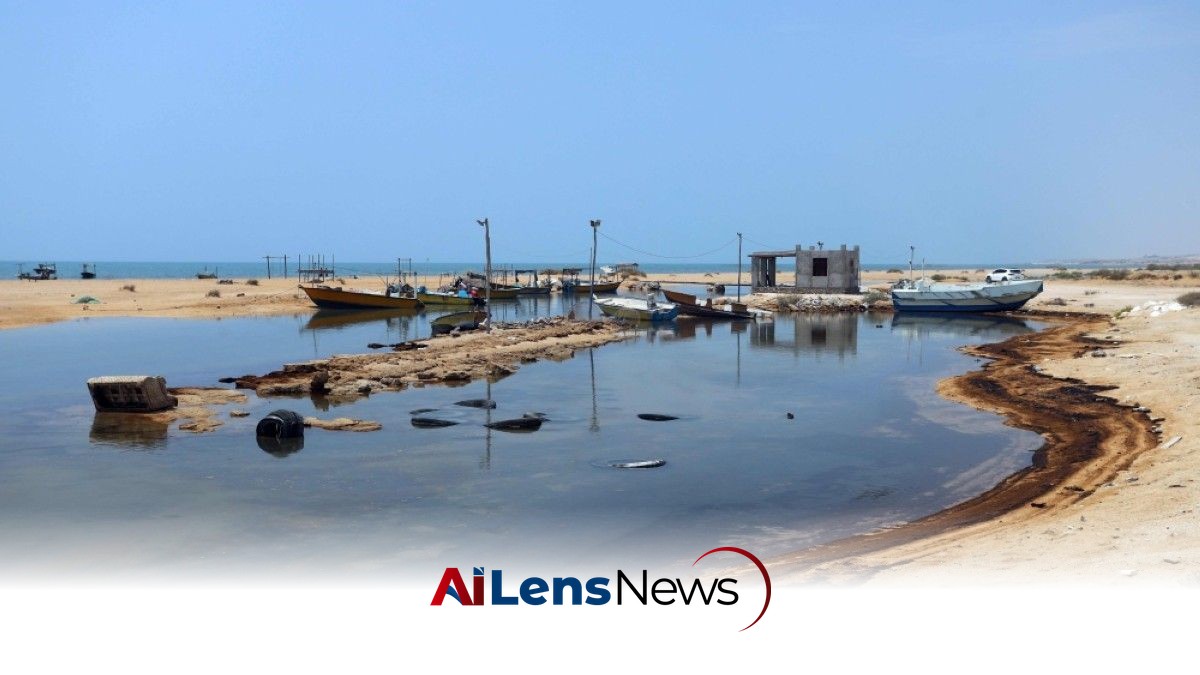


The UAE has blamed Iran for attacking an ADNOC vessel in the Strait of Hormuz, escalating tensions in the region and raising concerns over maritime security.
Kuwait City, Kuwait Aug 16, 2026 ALN: The recent accusation by the United Arab Emirates (UAE) against Iran for attacking a vessel belonging to the state-owned oil giant Abu Dhabi National Oil Company (ADNOC) has intensified the already high tensions in the strategically significant Hormuz Strait. This incident, which marks a significant escalation in the ongoing maritime conflict, highlights the fragile security situation in the region, particularly in light of the broader geopolitical struggles involving the United States and Iran.
The Hormuz Strait is a crucial maritime corridor, responsible for the transit of a substantial portion of the world’s oil supply. It connects the Persian Gulf with the Gulf of Oman and the Arabian Sea, making it a vital route for energy exports from the Gulf states, including Saudi Arabia, the UAE, and Kuwait. The strait has been a focal point of regional tensions, particularly since the onset of the conflict in February, which has seen Iran engaging in aggressive naval tactics, including attacks on commercial shipping.
Following the attack on the ADNOC vessel, the UAE’s foreign ministry condemned what it described as a "hostile Iranian attack" and emphasized that such actions amount to piracy, particularly when conducted by Iran’s Revolutionary Guard Corps (IRGC), the elite military unit responsible for protecting the Islamic Republic's interests. The IRGC has been involved in various military and paramilitary operations across the region and has been designated by the U.S. as a terrorist organization. The UAE's strong condemnation reflects not only its immediate concern for the safety of its maritime operations but also a broader apprehension about Iran's increasing assertiveness in the Gulf.
ADNOC confirmed the attack occurred while one of its vessels was transiting the strait on the evening of August 14, although fortunately, no injuries were reported. The company has reiterated its commitment to safeguarding maritime security and protecting seafarers, indicating that such attacks threaten not only the UAE's national interests but also the stability of global energy markets.
In light of this incident, Anwar Gargash, a senior advisor to the UAE president, emphasized the country’s commitment to defending its rights to freedom of navigation in the strait. He articulated a broader strategy that encompasses deterrence, diplomacy, and adherence to international law, suggesting that the UAE aims to navigate the crisis through a balanced approach while strengthening regional alliances. Gargash's statements underscore the importance of a unified Gulf response to Iranian aggression, which could be pivotal in maintaining regional security and stability.
The UAE's allegations against Iran come at a time when maritime security in the Gulf has deteriorated, with multiple attacks on vessels linked to ADNOC reported in recent weeks. These incidents have raised alarms about the safety of maritime navigation in a strait that has historically been a free passage for international shipping. The escalation of hostilities has also led to the collapse of a ceasefire agreement that was previously established between the United States and Iran, further complicating the diplomatic landscape.
In a related context, a June agreement had been initiated to explore future arrangements for the Strait of Hormuz, involving discussions between Iran and Oman, which also borders the strait. This agreement was intended to lay the groundwork for a more permanent resolution to the ongoing tensions, but the recent attacks have undermined such diplomatic efforts. Iranian officials, including Mohammad Bagher Zolghadr, have articulated a series of conditions for fully reopening the strait, which include demands for an end to what they perceive as a war against Iran and its allies, the lifting of sanctions, and compensation for wartime damages.
Kuwait Condemns Attack
In a show of solidarity with the UAE, Kuwait has also condemned the Iranian attack on the ADNOC vessel, labeling it a clear violation of international law and UN Security Council Resolution 2817. The Kuwaiti Ministry of Foreign Affairs expressed concern over the implications of such attacks on maritime security and global energy supplies, emphasizing the need for all nations to adhere to international law principles that ensure freedom of navigation. Kuwait's response indicates a broader regional consensus against Iranian aggression, reflecting the interconnectedness of Gulf states in addressing security threats.
Iran's response to the rising tensions has included strong rhetoric from its officials, particularly in reaction to comments made by U.S. President Donald Trump, who suggested that the Strait of Hormuz could be declared part of U.S. territory following a military defeat of Iran. Iranian Deputy Foreign Minister Kazem Gharibabadi firmly rejected this notion, asserting that the strait is intrinsically Iranian and would remain under Tehran's control. This statement underscores the deep-seated animosity and mistrust between the U.S. and Iran, which has been exacerbated by ongoing military engagements and sanctions.
Trump's remarks, which were later clarified by a White House official as a joke, nevertheless highlight the precarious nature of U.S.-Iran relations and the potential for miscommunication to escalate tensions further. The situation remains fluid, with both sides poised for potential military confrontation, should provocations continue.
The implications of these developments extend beyond the immediate region, as any disruption in the Strait of Hormuz could have significant ramifications for global energy markets. A substantial portion of the world's oil supply, including exports from major producers like Saudi Arabia and Iraq, transits through this narrow waterway. Consequently, disruptions could lead to increased oil prices and heightened economic instability worldwide.
As the situation evolves, the international community will be closely monitoring the actions of both Iran and the UAE, as well as the responses from other Gulf states and global powers. The potential for diplomatic resolution remains, but the pathway is fraught with challenges, particularly given the entrenched positions of both the U.S. and Iran. The ongoing maritime conflict in the Hormuz Strait serves as a reminder of the delicate balance of power in the region and the critical importance of diplomatic engagement to prevent further escalation.
To learn more about the latest developments in World News & International Affairs, stay updated with our exclusive reports and analyses on AiLensNews.

