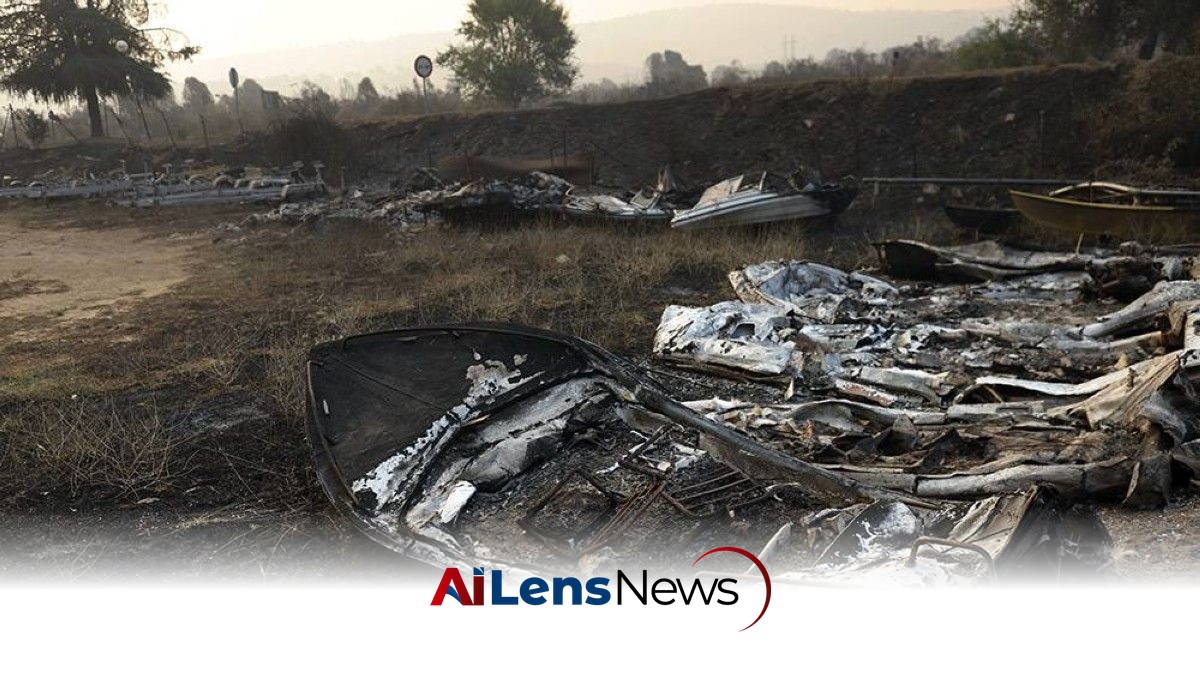


Firefighters in Spain are battling a new fire front near Valencia, leading to the evacuation of at least 15,000 residents amid worsening conditions.
Kuwait City, Kuwait Jul 26, 2026 ALN: Spanish firefighters on Sunday battled a new front of fires near the coastal city of Valencia, where at least 15,000 people were evacuated. This surge in wildfires has become a pressing issue for Spain, a country that is no stranger to seasonal blazes, yet the scale and intensity of recent fires have raised alarms across the nation.
Spain has already evacuated tens of thousands of people from villages west of the capital Madrid, where extremely dry conditions have been worsened by heatwaves and strong winds. These environmental factors have created a perfect storm for wildfires, as prolonged periods of drought combined with high temperatures and erratic weather patterns have rendered large swathes of land highly flammable.
In the Valencia region, on Spain’s eastern coast, authorities said they were struggling to contain fires. The region is known for its agricultural output, particularly citrus fruits and vegetables, and the ongoing fires threaten not only residential areas but also local farms and ecosystems. The economic implications of such devastation could be profound, impacting livelihoods and food supply chains.
“The fire is beyond our capacity to extinguish; it has a perimeter of about 21 kilometers (13 miles). It is still difficult to determine the number of hectares burned,” Juanfran Perez Llorca, Valencia regional president, told reporters late Saturday. His comments reflect the dire situation on the ground, where firefighters are facing not only the flames but also logistical challenges, including access to affected areas and the availability of resources needed for firefighting efforts.
“We have evacuated around 15,000 people,” he added, highlighting the scale of the emergency. Evacuations are not just a matter of moving people from danger; they also involve coordinating with local authorities, providing shelter, and ensuring the safety of vulnerable populations, including the elderly and those with disabilities.
Spanish authorities also ordered new evacuations Saturday around Toledo, southwest of Madrid, describing the situation as complex with wind gusts pushing the blaze southward. The unpredictability of wind patterns complicates firefighting efforts, as flames can spread rapidly and change direction without warning. Firefighters are often forced to make split-second decisions to protect lives and property, which can lead to difficult choices about where to focus their efforts.
Fires in southwest France have forced 250,000 people to flee homes and campsites—one of the country’s biggest-ever peacetime evacuations. This regional crisis underscores the broader challenge of wildfires in Southern Europe, where countries are grappling with similar climatic conditions. The scale of evacuations in France highlights the interconnected nature of these disasters; as one country faces devastation, neighboring nations are often not far behind in experiencing their own crises.
Around 60,000 have already been evacuated from around Madrid, where Portuguese, Italian, and other firefighting planes are helping Spanish teams on the ground. This international cooperation is crucial in combating wildfires, as it allows for the sharing of resources, expertise, and manpower. The use of aerial firefighting units, which can drop water and fire retardants from above, is particularly effective in reaching areas that are difficult to access by ground crews.
Spanish Prime Minister Pedro Sanchez has said firefighters were working to save lives. His government has faced criticism in the past regarding its preparedness for natural disasters, and the current crisis may prompt discussions about investment in emergency services and infrastructure. One person has been reported killed by a separate fire in the east of Spain, a tragic reminder of the human cost of these disasters.
As the wildfires rage on, the implications extend beyond immediate safety concerns. There is a growing recognition of the role climate change plays in exacerbating such events. Rising global temperatures are leading to more frequent and severe heatwaves, altering precipitation patterns, and increasing the likelihood of droughts. These changes not only affect the frequency of wildfires but also their intensity and duration.
In addition to the immediate danger posed by fires, there are long-term environmental impacts to consider. Wildfires can lead to soil erosion, loss of biodiversity, and the destruction of habitats for countless species. The recovery process for affected ecosystems can take years, if not decades, to restore. Moreover, the carbon released into the atmosphere during such fires contributes to global warming, creating a vicious cycle that further threatens the planet's climate stability.
In response to the increasing frequency of wildfires, many regions are reevaluating their land management practices. This includes controlled burns, forest thinning, and other strategies aimed at reducing fuel loads in vulnerable areas. However, these measures require careful planning and community engagement to be effective, as they can also be controversial among local populations.
The current crisis in Spain serves as a wake-up call for many European nations, prompting discussions about preparedness and resilience in the face of climate change. As countries grapple with the realities of wildfires and other natural disasters, the need for coordinated efforts, both locally and internationally, becomes ever more apparent. The situation in Spain is not just a national issue but part of a larger global challenge that requires collective action and innovative solutions to mitigate the impacts of climate change and protect vulnerable communities.
As the firefighting efforts continue, the focus remains on protecting lives and property while also considering the broader implications of these devastating events. The resilience of affected communities will be tested, and the lessons learned from this crisis will likely shape future policies and practices regarding disaster management and climate adaptation.
To learn more about the latest developments in Crime & Law, stay updated with our exclusive reports and analyses on AiLensNews.

