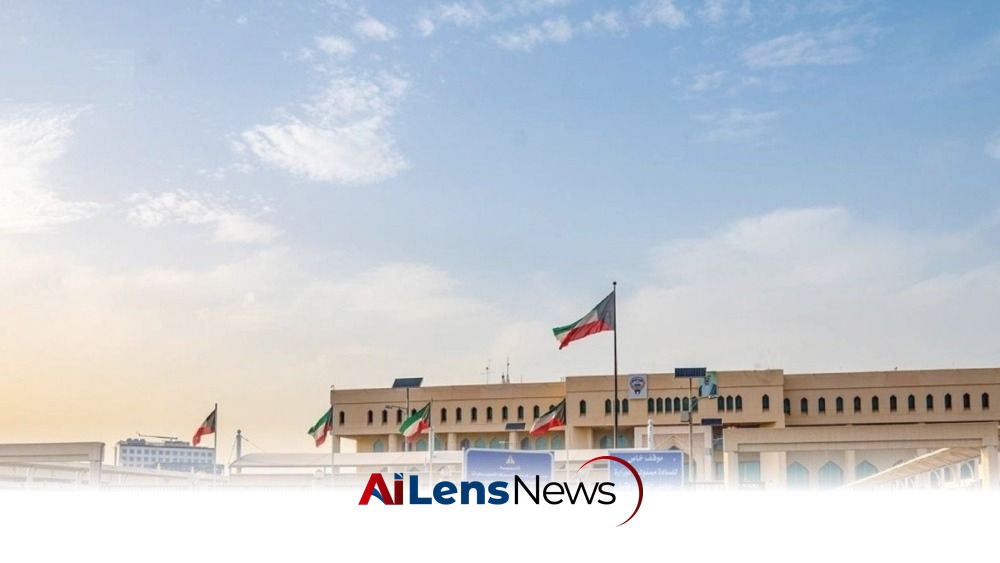


A technical fault at the Hawally (G) main substation led to a power outage in part of Hawally Block 8. Emergency teams are on-site to restore power.
Kuwait City, Kuwait Jul 14, 2026 ALN: A technical malfunction at the Hawally (G) main substation has led to significant disruptions in the power supply, affecting residents and businesses in a limited part of Hawally Block 8. The incident occurred when two sub-feeders, which are critical components of the electrical distribution network, went out of service. Such malfunctions can stem from a variety of causes, including equipment failure, overload conditions, or environmental factors. In this case, the exact cause of the technical malfunction has not been disclosed, but investigations are likely underway to determine the underlying issues.
The Hawally region is a densely populated area in Kuwait, known for its vibrant community and economic activities. Power outages in urban settings can have a ripple effect, impacting not only residential life but also local businesses, healthcare facilities, and essential services that rely on a stable electricity supply. Given the reliance on electrical power for daily operations, even temporary outages can cause significant inconvenience and disruptions. In Hawally Block 8, where many residents depend on electricity for heating, cooling, and cooking, the impact can be particularly acute.
In response to the outage, the Ministry of Electricity, Water and Renewable Energy has reported that emergency teams were immediately dispatched to the site of the malfunction. These teams are tasked with diagnosing the problem and implementing necessary repairs to restore power as swiftly as possible. The urgency of the situation is underscored by the need to minimize the impact on residents and businesses, particularly during peak hours when electricity demand is high. Peak demand times are often associated with increased use of air conditioning during the hot summer months, making the reliability of the power supply even more critical.
The process of restoring power after an outage involves several steps. First, technicians must assess the extent of the damage and identify the specific components that have failed. This may require specialized equipment and expertise, particularly for substations that handle high voltage electricity. Once the issue is diagnosed, repairs can begin, which may involve replacing faulty equipment or making adjustments to the electrical grid to ensure stability and safety. The time required for restoration can vary widely based on the complexity of the issue and the availability of replacement parts. In some instances, if the damage is severe, temporary measures may be implemented to restore power while permanent repairs are planned and executed.
Power outages can also have broader implications, especially in a region where electricity is critical for various sectors. For instance, businesses may face losses due to interrupted operations, while healthcare facilities may struggle to maintain essential services without reliable power. In some cases, hospitals and clinics have backup generators, but these systems are not always able to handle the full load of a facility's requirements. This situation can pose risks, particularly for patients requiring critical care. Moreover, the inability to perform essential operations can lead to delays in medical procedures and treatments, further exacerbating the challenges faced by healthcare providers during outages.
In addition to the immediate effects of the outage, there may be longer-term consequences for the electrical infrastructure in the area. Frequent outages or malfunctions can lead to a loss of public confidence in the reliability of the power supply, prompting calls for upgrades and improvements to the electrical grid. Authorities may need to consider investing in modern technologies and infrastructure to enhance the resilience of the power system, especially as demand for electricity continues to grow with urban development. The increasing population density in areas like Hawally Block 8 places additional strain on existing infrastructure, necessitating careful planning and investment to ensure that systems can cope with future demands.
Community response to such outages is often a mix of frustration and understanding. Residents may express concerns over the reliability of their power supply, particularly if they have experienced similar issues in the past. Social media platforms often become a channel for residents to share their experiences and seek updates on the situation. In many cases, the public also recognizes that technical malfunctions can occur and appreciates the efforts of emergency teams working to resolve the issue. However, sustained outages can lead to increased scrutiny of the Ministry's performance and the overall state of the electrical infrastructure.
The Ministry of Electricity, Water and Renewable Energy plays a crucial role in ensuring the stability and reliability of the power supply in Kuwait. The ministry is responsible for overseeing the generation, distribution, and management of electricity and water resources across the country. In recent years, there has been a growing emphasis on the integration of renewable energy sources into the national grid, which aims to diversify energy sources and reduce dependence on fossil fuels. However, as the country transitions to more sustainable energy solutions, the existing infrastructure must also be maintained and upgraded to support these changes. This dual focus on modernization and sustainability is critical for ensuring that Kuwait can meet its future energy needs without compromising service reliability.
In conclusion, the technical malfunction at the Hawally (G) main substation highlights the vulnerabilities present in urban electrical systems and the importance of prompt response measures. As emergency teams work to restore power to the affected area of Hawally Block 8, the situation serves as a reminder of the critical role that reliable electricity plays in daily life and the ongoing need for investment in infrastructure to ensure resilience against future disruptions. The Ministry of Electricity, Water and Renewable Energy will likely provide updates to the public as the situation evolves, reinforcing the importance of communication during such incidents to keep residents informed and reassured. Furthermore, this incident may catalyze discussions about long-term strategies to enhance the reliability and resilience of Kuwait's electrical grid, ensuring that it can withstand both current and future challenges.
To learn more about the latest developments in Local & Regional, stay updated with our exclusive reports and analyses on AiLensNews.

