

A small aircraft carrying tourists to view the Nazca Lines crashed in Peru, resulting in the deaths of all 13 individuals on board, including foreign nationals.
Kuwait City, Kuwait Aug 3, 2026 ALN: A small plane carrying foreign tourists to view Peru’s famed Nazca Lines archaeological site crashed Saturday, killing all 13 people on board, police said. Seven Italians, two Germans, and two Spaniards were among the deceased, along with two crew members, a spokesman for the transport ministry confirmed, adding that the victims were aged between 24 and 78.
The incident occurred shortly after 1:00 pm (1800 GMT) after the Cessna 208 Caravan aircraft took off from the airport in Pisco, located about 240 kilometers (150 miles) south of the capital Lima. The Cessna 208 Caravan is a single-engine turboprop aircraft commonly used for short-haul flights, including tourism operations. Known for its versatility, it is often employed in various roles, including cargo transport, skydiving, and sightseeing flights, making it a popular choice for operations in scenic areas such as the Nazca Lines.
“We have information that 11 passengers and two crew members have died,” Police Major Jorge Andrade told reporters at the crash site. “Given the severity of the accident, there are no survivors. We have recovered four bodies so far,” Andrade said, without identifying the victims or providing further details about the cause of the crash. The rapid response by police and emergency services highlights the urgency and gravity of the situation, as they worked to recover the remains and assess the site of the crash.
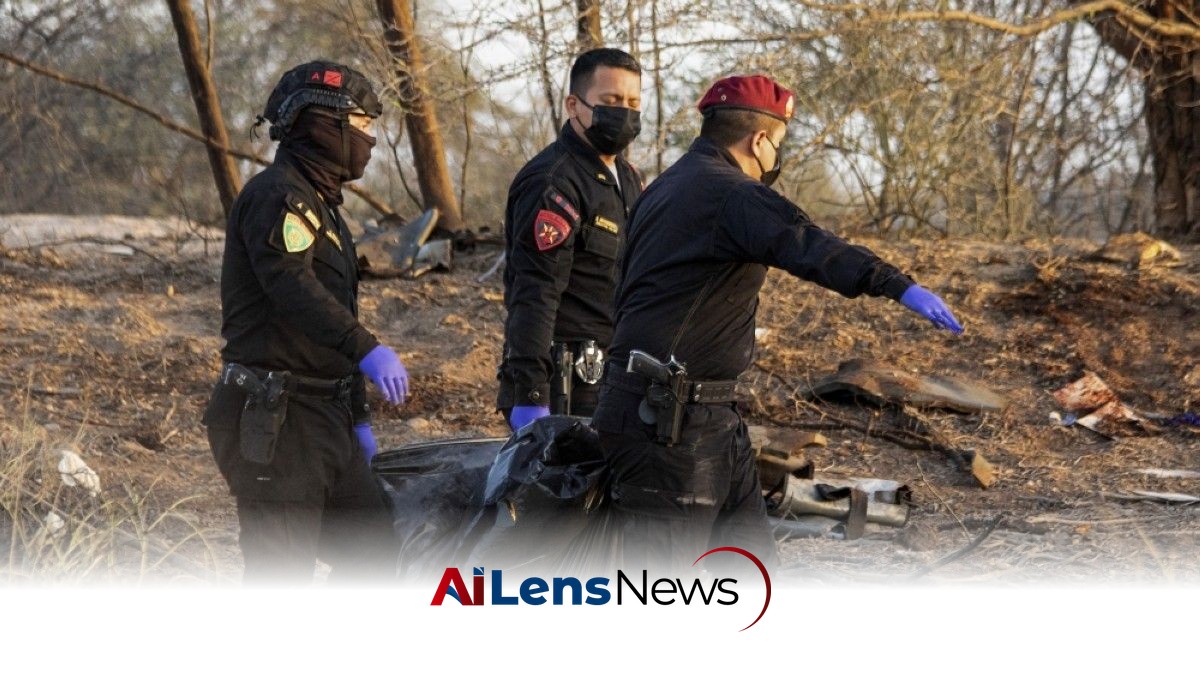
Overnight, police recovered the charred bodies and placed them in black bags for transport to the regional morgue. Firefighters and police, some wearing face masks, pored over the twisted, smoldering wreckage of the aircraft. The sight of the wreckage, with one wheel of the plane lying detached from the main structure, paints a grim picture of the force of the crash and the challenges faced by emergency responders in such tragic circumstances.
Peru’s civil aviation authority and the air accident agency will investigate the accident, the transport ministry stated. Investigations into aviation accidents typically involve a thorough examination of the aircraft's maintenance records, pilot qualifications, and the flight's operational procedures. In this case, the involvement of both the civil aviation authority and the air accident agency underscores the seriousness with which aviation safety is treated in Peru.
Peruvian President Keiko Fujimori mentioned that her government was considering the possible closure of the Pisco airport. The decision to close an airport, particularly one that serves as a hub for tourism, is complex and can have significant implications for local economies. Pisco airport is vital for the tourism industry, primarily due to its proximity to the Nazca Lines, which attract thousands of visitors annually. Any potential closure could lead to a substantial decrease in tourist traffic, affecting local businesses and the livelihoods of those who depend on tourism.
‘In-flight emergency’
The plane was operated by AeroDiana, which offers sightseeing trips lasting 30 minutes to an hour over the Nazca Lines, best seen from the air. The archaeological site features a group of geoglyphs etched into the desert sands that date back to between 500 BC and 500 AD. These geoglyphs, which include various geometric shapes and animal outlines, are believed to have been created by the Nazca culture, and their exact purpose remains a subject of debate among archaeologists and historians. Some theories suggest that they may have had ritual or astronomical significance, serving as markers for celestial events or as part of religious ceremonies.
UNESCO recognized the importance of the Nazca Lines and declared the area a World Heritage site in 1994, ensuring that it receives protection and attention for preservation. The cultural and historical significance of the Nazca Lines has made them a focal point for both tourism and academic research, drawing interest from around the globe.
AeroDiana stated it would soon release more information about the crash. Airlines typically conduct internal investigations following incidents to gather data that can assist in understanding the circumstances that led to the accident. This information is crucial for improving safety protocols and preventing future tragedies.
Municipal officials in Vista Alegre, where the plane crashed, indicated in a statement that preliminary information suggested an “in-flight emergency” was to blame, without offering more details. The term "in-flight emergency" can encompass a range of issues, including mechanical failures, adverse weather conditions, or other unforeseen complications that arise during flight. Understanding the specific nature of the emergency will be critical for the ongoing investigation.
One resident of Vista Alegre reported that the plane exploded on impact. Eyewitness accounts of aviation accidents can provide valuable insights into the events leading up to a crash, but they can also vary widely in accuracy and detail. The report of an explosion suggests a catastrophic failure, which could be linked to various factors, including fuel ignition or structural failure.
Dozens of small planes operate from the airport in Pisco, handling a large volume of primarily foreign tourists hoping to visit the Nazca Lines. The popularity of these flights has grown significantly over the years, as more travelers seek to experience the unique geoglyphs from the air. However, this increased demand also raises concerns about aviation safety, particularly in a region where past accidents have occurred.
Accidents have occurred before near the site. In 2022, seven people were killed in a plane crash, including two Chileans and three Dutch nationals. Similarly, in October 2010, four British tourists and two Peruvian crew members died when an AirNasca plane crashed after taking tourists to view the site. These incidents highlight ongoing safety challenges within the aviation sector in Peru, particularly in relation to small aircraft operating in tourist-heavy areas. The history of accidents raises questions about regulatory oversight, pilot training, and the maintenance of aircraft used for commercial purposes.
As the investigation into this latest tragedy unfolds, it will likely prompt discussions about aviation safety regulations in Peru, particularly concerning tourist flights. The government may face pressure to implement stricter safety measures to prevent future accidents, which could include enhanced training for pilots, regular inspections of aircraft, and stricter operational protocols for airlines operating in high-risk areas. The implications of this crash extend beyond the immediate loss of life; they touch upon broader issues of safety, regulation, and the responsibilities of the aviation industry to protect its passengers.
To learn more about the latest developments in Crime & Law, stay updated with our exclusive reports and analyses on AiLensNews.

