

Kuwait's Armed Forces intercepted ballistic missiles and drones from Iran, injuring several soldiers and damaging critical infrastructure, according to the Ministry of Defense.
Kuwait City, Kuwait Jul 18, 2026 ALN: Kuwait’s Armed Forces successfully intercepted hostile ballistic missiles and drones that entered the country’s airspace early Friday, amidst an Iranian attack targeting military, civilian, and critical infrastructure. This incident has raised significant concerns regarding regional security and the ongoing tensions between Iran and its neighbors, particularly in the Gulf region. The Ministry of Defense reported that several Kuwaiti soldiers were injured during the attack, highlighting the potential dangers posed by such military confrontations.
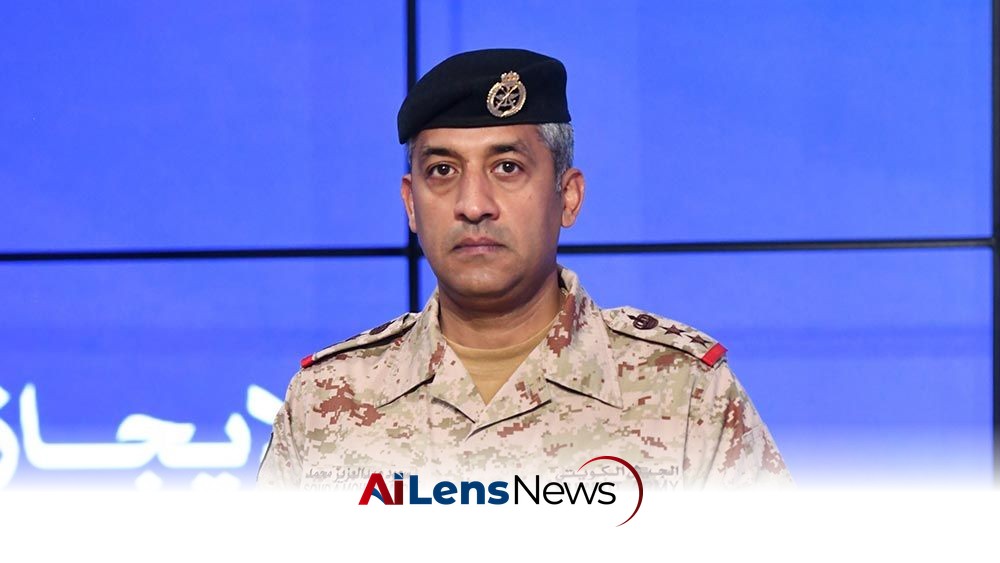
The official spokesman for the Ministry of Defense, Major General Saud Abdulaziz Al-Otaibi, provided details about the incident, stating that the Armed Forces detected the incoming missiles and drones at dawn. The swift response of Kuwaiti defense systems was crucial in preventing further damage and ensuring the safety of both military personnel and civilians. The interception of these threats underscores the effectiveness of Kuwait’s air defense capabilities, which have been a focal point of the country’s military strategy in recent years.
Iran’s military actions appear to be part of a broader pattern of aggression that has been observed in the region, particularly in relation to its neighbors. The attack specifically targeted several Kuwaiti Army facilities and camps, utilizing hostile drones, which reflects a growing trend in modern warfare where unmanned aerial vehicles are increasingly employed to conduct military operations. The incident resulted in injuries to a number of Kuwaiti Land Force personnel who were performing their duties at the time. Fortunately, the injured soldiers received prompt medical treatment and are reported to be in stable condition, mitigating the potential for a more catastrophic outcome.
The implications of this attack extend beyond immediate military concerns, as it also affected several vital civilian facilities. Among the impacted sites were a power station and a water distillation plant, critical infrastructure that supports the daily lives of Kuwaiti citizens. The attack caused a fire and inflicted damage on multiple station facilities and electricity generation units, raising alarms about the vulnerability of essential services in the face of military aggression. Such disruptions can have cascading effects on the economy and public safety, making it imperative for the government to restore normalcy as quickly as possible.
In addition to the damage to infrastructure, the incident also resulted in shrapnel falling in various areas across the country, leading to material damage in several locations. Fortunately, no civilian casualties were reported, which is a significant relief given the potential for civilian harm in such military confrontations. The absence of civilian casualties, however, does not diminish the seriousness of the attack or the need for enhanced protective measures to safeguard the population in the future.
In response to the attack, the Kuwaiti Armed Forces have emphasized their commitment to maintaining a high state of alert. They continue to execute their missions with full operational readiness, demonstrating their preparedness to respond to any further threats. The military's proactive stance is essential in a region marked by instability and conflict, where the balance of power can shift rapidly. The Armed Forces are coordinating with relevant authorities to ensure the safety of citizens and residents, reinforcing the importance of a united front in the face of external threats.
The regional context surrounding this incident is critical to understanding its significance. Tensions between Iran and its Gulf neighbors have been escalating in recent years, particularly in light of Iran’s nuclear ambitions and its support for various militant groups across the region. The ongoing geopolitical rivalry, coupled with various incidents involving maritime security and proxy conflicts, has created an environment of heightened alertness among Gulf states.
Kuwait, situated strategically along the Persian Gulf, has historically maintained a delicate balance in its foreign relations, seeking to foster good ties with both Western powers and neighboring countries. However, the recent Iranian attack may compel Kuwait to reassess its defense posture and consider strengthening its military alliances, particularly with the United States and other Gulf Cooperation Council (GCC) states. Such developments could lead to increased military cooperation and joint exercises aimed at enhancing regional security.
Furthermore, this incident raises questions about the effectiveness of existing defense agreements and the need for enhanced missile defense systems throughout the region. As the threat landscape evolves, countries may need to invest in advanced technologies and capabilities to protect against aerial threats, including both drones and ballistic missiles. The successful interception by Kuwaiti forces may serve as a catalyst for discussions on defense modernization and collaborative security initiatives among GCC members.
The broader implications of this incident also touch on international relations and the role of external powers in the region. The United States, which has a significant military presence in the Gulf, may be prompted to reassess its strategic posture in light of this attack. Increased Iranian aggression could lead to a reevaluation of U.S. military commitments and support for regional allies, with the aim of deterring future threats and ensuring stability.
In conclusion, the interception of ballistic missiles and drones by Kuwaiti forces amid an Iranian attack underscores the fragility of security in the Gulf region. The incident not only highlights the immediate risks posed to military and civilian infrastructure but also raises broader questions about regional defense strategies, international alliances, and the ongoing geopolitical tensions that define the Middle East. As Kuwait navigates these challenges, the focus will likely remain on enhancing its military readiness and fostering cooperation with allies to safeguard its sovereignty and protect its citizens from future threats.
To learn more about the latest developments in World News & International Affairs, stay updated with our exclusive reports and analyses on AiLensNews.

