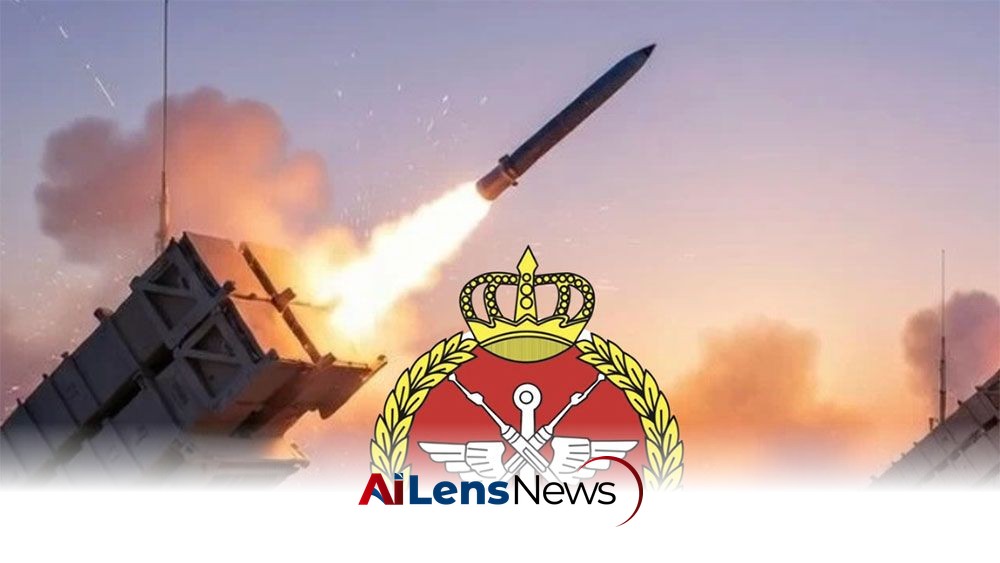


Kuwait's armed forces have intercepted hostile drones in response to Iranian aggression, ensuring public safety and security.
Kuwait City, Kuwait Jul 23, 2026 ALN: Kuwait’s armed forces are currently intercepting hostile drones amid the heinous Iranian aggression, the General Staff of the Kuwaiti Army announced at 1 AM on Thursday. This announcement marks a significant moment in the ongoing regional tensions that have escalated in recent months, particularly regarding Iran’s military activities and its implications for Gulf security.
The press statement from the Kuwaiti military further elaborated on the situation, indicating that any explosions heard are the result of air defense systems successfully intercepting these hostile drones. This proactive approach underscores Kuwait’s commitment to maintaining its sovereignty and protecting its airspace from potential threats. The military urged the public to adhere to safety and security instructions issued by relevant authorities, emphasizing the importance of community cooperation during such crises.
The interception of hostile drones is not an isolated incident but rather part of a broader pattern of increasing drone usage in military conflicts around the world. Drones have become a pivotal tool for many nations, including Iran, which has been accused of employing these unmanned aerial vehicles (UAVs) to extend its influence and capabilities across the region. The use of drones allows for precision strikes and surveillance, making them a strategic asset in modern warfare.
Iran’s aggressive posture in the region has raised alarms among its neighbors, particularly in the Gulf Cooperation Council (GCC) states, which include Kuwait, Saudi Arabia, the United Arab Emirates, Qatar, Oman, and Bahrain. The GCC countries have historically been wary of Iranian intentions, especially given Iran's support for various militant groups and its contentious nuclear program, which many in the region view as a direct threat to their national security.
In recent years, there have been numerous incidents involving Iranian drones targeting not only military assets but also civilian infrastructure. The attacks have often been carried out through proxies in the region, complicating the response for nations like Kuwait that seek to avoid direct confrontation while still ensuring their defense capabilities are robust enough to deter aggression.
The military's proactive measures in intercepting these drones are part of a larger strategy to safeguard national security and maintain peace within the region. This strategy includes enhancing air defense systems, increasing military readiness, and conducting regular training exercises to prepare for potential threats. Kuwait has invested in advanced defense technologies and has sought cooperation with international allies to bolster its military capabilities.
Furthermore, the Kuwaiti government has been working closely with the United States and other Western allies, who have a vested interest in maintaining stability in the Gulf region. The U.S. has extensive military presence in the area, and its partnership with Kuwait includes arms sales, training, and intelligence sharing, all aimed at countering Iranian influence and ensuring the security of vital shipping lanes in the Persian Gulf. This military collaboration is critical, as the U.S. continues to reinforce its commitment to the security of its allies in the region, particularly in light of the evolving threats posed by Iran.
Authorities are closely monitoring the situation and will provide updates as necessary to ensure public awareness and safety. This vigilance is crucial, as misinformation can spread rapidly in times of conflict, leading to panic among the civilian population. By keeping the public informed, the Kuwaiti government aims to maintain order and prevent any potential unrest that could arise from fear or uncertainty regarding national security.
The implications of this incident extend beyond Kuwait’s borders. The regional dynamics in the Middle East are complex, and actions taken by one nation can have ripple effects throughout the region. For instance, if Kuwait's interception of hostile drones is perceived as a successful deterrent, it may embolden other GCC states to adopt similar measures or to enhance their military capabilities in response to perceived threats from Iran. This could lead to an arms race in the region, with countries seeking to bolster their defense systems to counteract the growing capabilities of their adversaries.
Conversely, if the situation escalates into a broader confrontation, it could lead to significant geopolitical consequences, including potential military engagements that draw in various international actors. The United States, for instance, has made it clear that it supports its allies in the region and would likely respond to any aggressive actions taken by Iran against Gulf states. This support is crucial as it provides a security umbrella for smaller nations like Kuwait, which may feel vulnerable in the face of Iranian aggression.
Moreover, the interception of drones may prompt Iran to reassess its military strategies and tactics, potentially leading to a new phase of escalation in the ongoing conflict between Iran and its adversaries. The use of drone warfare is likely to continue evolving, with both sides exploring new technologies and methods to gain an advantage. Iran has shown a willingness to adapt its military tactics, utilizing drones not only for reconnaissance but also for offensive operations, which complicates the security landscape in the region.
In conclusion, the recent actions taken by the Kuwaiti armed forces in intercepting hostile drones highlight the ongoing tensions in the region and the need for vigilance in the face of potential threats. As the situation develops, it will be crucial for all parties involved to navigate this complex landscape carefully, balancing the need for security with the imperative of avoiding unnecessary escalation. The international community will be watching closely, as the outcomes of these events could significantly shape the future of security and stability in the Gulf region.
Additionally, the situation also raises questions about the broader implications for global security. The Middle East has long been a focal point of international attention, with various global powers having vested interests in the region. The potential for conflict escalation could disrupt global oil supplies, given that the Persian Gulf is a critical route for oil transportation. Any military confrontation could lead to increased tensions not only in the Middle East but also in global markets, affecting economies far beyond the region.
As nations like Kuwait continue to bolster their defense capabilities in response to perceived threats, the need for diplomatic solutions becomes increasingly urgent. Engaging in dialogue with Iran and addressing the underlying issues that contribute to regional instability may provide a pathway toward a more secure and peaceful future. However, such efforts must be approached with caution, as the complexities of regional politics and the history of mistrust can complicate diplomatic initiatives.
In summary, the interception of hostile drones by Kuwaiti forces serves as a stark reminder of the fragile security situation in the Gulf. The actions taken by Kuwait reflect a broader trend of militarization in response to perceived threats, underscoring the need for a balanced approach to security that includes both military readiness and diplomatic engagement. The coming weeks and months will be critical in determining the direction of regional stability and the potential for conflict resolution in the Middle East.
To learn more about the latest developments in Crime & Law, stay updated with our exclusive reports and analyses on AiLensNews.

