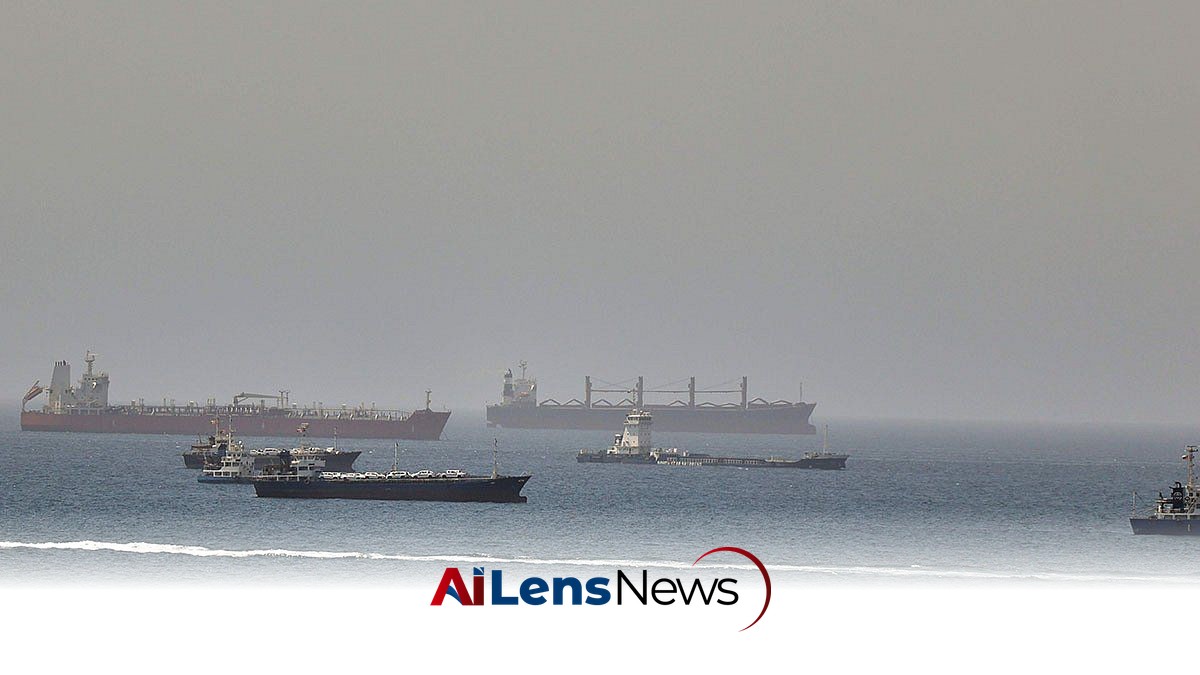


Kuwait's air defenses intercept Iranian drones as US-Iran tensions escalate, prompting Bahrain to activate air raid sirens and the US to reimpose a naval blockade.
Kuwait City, Kuwait Jul 15, 2026 ALN: Kuwait's air defense systems successfully intercepted Iranian drones on Wednesday, marking a significant escalation in tensions between the United States and Iran. This incident comes as Bahrain activated air raid sirens, urging residents to seek shelter amid fears of further conflict in the region. The interception of the drones is not merely a local security issue; it is emblematic of the broader geopolitical strife that has been brewing in the Gulf for years, particularly as the United States and Iran have engaged in a series of tit-for-tat actions that have heightened fears of military confrontation.
The backdrop to these developments is the U.S.'s recent reimposition of a naval blockade targeting Iranian oil and gas exports, which has heightened concerns about shipping security in the Strait of Hormuz, a critical transit route for global oil supplies. The Strait of Hormuz is one of the most vital chokepoints in the world, with a significant portion of the world's oil passing through it. Any disruption in this area can have far-reaching implications for global energy markets and international trade.
In response to the naval blockade, Iran has issued warnings that it may close other oil and gas export routes that serve the interests of the U.S. and its allies. The Iranian Revolutionary Guards have stated that the Strait of Hormuz will remain closed until the U.S. ceases its aggressive actions against Iran. This threat is not new; Iran has previously indicated that it would take measures to protect its interests in the region, including potentially blocking the Strait of Hormuz, a move that would have severe implications for global oil prices and international relations.
The Iranian government has long viewed U.S. sanctions and military presence in the region as acts of aggression. The tensions have escalated significantly since the U.S. withdrew from the Joint Comprehensive Plan of Action (JCPOA) in 2018, which was an agreement aimed at curbing Iran's nuclear program in exchange for sanctions relief. Following the U.S. withdrawal, Iran began to incrementally roll back its commitments under the agreement, leading to a cycle of provocation and retaliation.
The interception of Iranian drones by Kuwait is a clear signal of the growing military readiness among Gulf states, which are increasingly concerned about Iranian military capabilities and the potential for conflict. The Gulf Cooperation Council (GCC), which includes Kuwait, Bahrain, Saudi Arabia, the UAE, Qatar, and Oman, has been on high alert due to the perceived threat from Iran. The GCC states have strengthened their military cooperation and have sought closer ties with the United States, particularly in terms of defense and security.
Moreover, Bahrain's activation of air raid sirens indicates a heightened state of alert among Gulf nations, reflecting their fears of a broader conflict that could spill over from Iran's actions. The sirens serve as a reminder of the precarious security situation in the region, where military exercises and the presence of foreign troops have become commonplace. The GCC states are increasingly investing in their defense capabilities, often with U.S. assistance, to deter potential Iranian aggression.
The international community is closely monitoring the situation, as any escalation could have significant implications for global stability. The United States has reaffirmed its commitment to ensuring freedom of navigation in the Strait of Hormuz and has called for international cooperation to counter Iranian threats. The U.S. Navy frequently conducts patrols in the region to deter hostile actions and to reassure allies.
Meanwhile, European nations have expressed concerns about the rising tensions and the potential for military confrontation. They have been advocating for a diplomatic resolution to the crisis, emphasizing the importance of dialogue between the U.S. and Iran. The European Union has attempted to mediate in the conflict, seeking to bring both parties back to the negotiating table to address the underlying issues that have led to the current standoff.
In addition to direct confrontations, the tensions between the U.S. and Iran have also played out through proxy conflicts in the region. Iran has supported various militant groups across the Middle East, including Hezbollah in Lebanon and Houthi rebels in Yemen, which have engaged in conflicts that indirectly challenge U.S. interests and those of its allies. These proxy conflicts complicate the security landscape, as they create additional layers of tension and potential for escalation.
For instance, the Houthis have launched missile attacks against Saudi Arabia, which has led to retaliatory strikes by the Saudi-led coalition. Such actions have the potential to draw in the U.S. and other regional powers into a wider conflict, further destabilizing the region. The use of drones by Iran and its proxies has become a common tactic, allowing for asymmetric warfare that poses a challenge for traditional military responses.
Looking ahead, the situation in the Gulf remains fluid and uncertain. The potential for further military confrontations exists, especially if either side miscalculates or misinterprets the other's actions. Diplomatic efforts will be crucial in de-escalating tensions, but the path to dialogue is fraught with challenges, particularly given the deep-seated mistrust between the U.S. and Iran.
Moreover, domestic political factors in both countries can influence the trajectory of their relations. In the U.S., the upcoming elections may shift foreign policy priorities, while in Iran, internal pressures and the economy's reliance on oil exports may compel the government to adopt a more aggressive stance to rally domestic support.
In conclusion, the interception of Iranian drones by Kuwait, coupled with Bahrain's activation of air raid sirens, underscores the precarious security situation in the Gulf. As the U.S. and Iran continue to navigate their complex relationship, the potential for conflict remains, necessitating careful monitoring and proactive diplomatic engagement to avoid a broader confrontation that could have dire consequences for the region and the world.
To learn more about the latest developments in World News & International Affairs, stay updated with our exclusive reports and analyses on AiLensNews.

