

Kuwait launches a $3 million initiative to strengthen Lebanon's electricity supply through solar power, benefiting over 500,000 people.
Kuwait City, Kuwait Jul 24, 2026 ALN: Kuwait has reinforced its commitment to sustainable development and regional cooperation by launching a $3 million clean energy initiative to help strengthen electricity supplies at key public institutions in Lebanon. This initiative comes at a critical time for Lebanon, which has been grappling with a severe energy crisis exacerbated by economic instability and political challenges. The energy sector in Lebanon has been under significant strain, with frequent power outages and a heavy reliance on diesel generators, which not only increase operational costs but also contribute to environmental pollution.
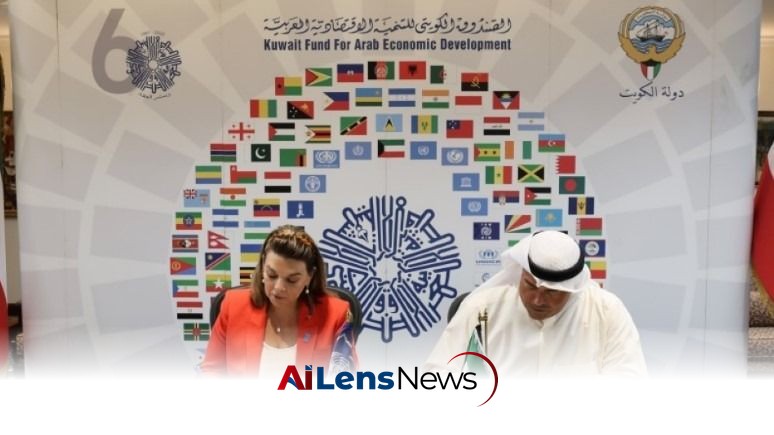
The Kuwait Fund for Arab Economic Development (KFAED) and the United Nations Development Programme (UNDP) signed the grant agreement to finance a two-year project that will introduce solar power systems and energy-efficiency measures across priority public facilities. The project aims to reduce reliance on diesel generators while improving the delivery of essential public services, which are vital for the functioning of the state and the well-being of its citizens.
The agreement was signed by KFAED Acting Director General Rashid Al-Bader and UNDP Resident Representative in Kuwait Emma Morley, marking a significant collaboration between the two entities. This partnership is particularly important as it aligns with global efforts to transition towards renewable energy sources and combat climate change, which has become a pressing issue for many countries, including Lebanon.
The project is designed to provide a more reliable and sustainable energy supply for public institutions by installing photovoltaic solar systems, implementing energy-saving technologies, and upgrading existing infrastructure. The initiative is also expected to reduce operating costs, lower carbon emissions, and improve the continuity of critical services for communities across Lebanon. By transitioning to solar energy, public institutions can not only enhance their operational efficiency but also contribute to national efforts aimed at reducing greenhouse gas emissions.
More than 500,000 people are expected to benefit directly from the project, while over 50 public-sector professionals will receive specialized training in operating, maintaining, and managing solar energy systems. This training is crucial for ensuring the long-term sustainability of the initiative, as it empowers local professionals with the skills needed to manage and maintain the new systems effectively. The capacity-building aspect of the project highlights the importance of investing in human resources alongside infrastructure development.
Speaking on the occasion, Al-Bader said the grant reflects the Kuwait Fund’s continued commitment to supporting sustainable development in Arab countries through investments that strengthen infrastructure, improve public services, and build institutional capacity. This commitment is particularly significant given the ongoing challenges faced by Lebanon, which has struggled with political instability, economic downturns, and social unrest in recent years.
He noted that the project goes beyond providing renewable energy by creating a long-term framework for energy management and maintenance, helping Lebanese public institutions become more resilient while advancing environmentally sustainable practices. This resilience is vital in a country where energy shortages have led to widespread frustration among the population, impacting daily life and economic activities.
Al-Bader also highlighted the enduring strategic partnership between KFAED and UNDP, reaffirming Kuwait’s continued support for Lebanon during a period of significant economic and infrastructure challenges. The collaboration between these two organizations exemplifies how international partnerships can play a crucial role in addressing local issues and fostering sustainable development.
UNDP Resident Representative Emma Morley said the agreement demonstrates the importance of international partnerships in addressing development and climate challenges. She emphasized that collaboration between UNDP and the Kuwait Fund continues to strengthen public institutions while delivering lasting economic, social, and environmental benefits. This partnership reflects a broader trend in international development, where collaborative efforts are increasingly recognized as essential for achieving sustainable outcomes.
Morley added that UNDP and KFAED have worked together for many years to support sustainable development and build more resilient communities across the region. Their joint efforts have included various initiatives aimed at enhancing infrastructure, improving public services, and promoting sustainable practices, all of which are critical in a region facing numerous challenges.
The Kuwait Fund and UNDP have jointly contributed approximately $15 million to development projects in several countries, underscoring Kuwait’s longstanding role in financing humanitarian and sustainable development initiatives throughout the Arab world. This financial commitment highlights Kuwait's strategic vision of supporting its neighbors and fostering regional stability through development cooperation.
The implications of this initiative extend beyond immediate energy solutions. By investing in solar energy, Lebanon can reduce its dependence on imported fossil fuels, which have been a significant burden on its economy. Furthermore, the project aligns with Lebanon's commitments to international climate agreements, such as the Paris Agreement, by promoting renewable energy and reducing carbon emissions.
In conclusion, the $3 million grant from Kuwait represents a significant step towards enhancing Lebanon's energy security and improving public services. As Lebanon continues to navigate its complex socio-economic landscape, initiatives like this one are crucial for building a more sustainable and resilient future. The collaboration between KFAED and UNDP not only addresses immediate energy needs but also lays the groundwork for long-term development and stability in the region.
To learn more about the latest developments in Crime & Law, stay updated with our exclusive reports and analyses on AiLensNews.

