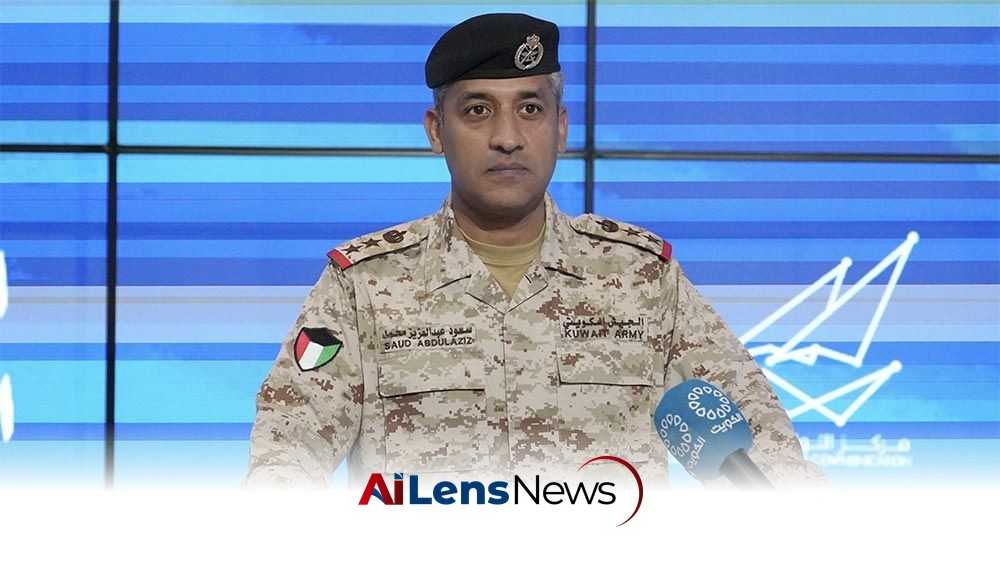


Kuwait's armed forces have urged citizens to stay away from missile and drone debris following ongoing attacks, emphasizing safety and security.
Kuwait City, Kuwait Jul 14, 2026 ALN: Kuwait’s armed forces are actively responding to and intercepting ongoing hostile attacks targeting the country, according to the Defense Ministry’s official spokesperson, Col. Saud Abdulaziz Al-Atwan. During a press briefing on Tuesday, he emphasized the importance of public safety in light of these threats. The situation has escalated in recent weeks, with various regional conflicts spilling over into broader geopolitical tensions, prompting nations in the Gulf region to bolster their defenses.
Col. Al-Atwan urged citizens and residents to refrain from approaching, touching, or photographing any missile or drone debris. He highlighted the potential dangers associated with such materials, which may contain unexploded ordnance or hazardous substances. These remnants pose serious risks not only to personal safety but also to the integrity of ongoing investigations and military operations. The public is advised to report any sightings immediately by calling the emergency number (112), which is a critical step in ensuring that the authorities can respond swiftly and effectively to any potential threats.
In addition to these precautions, he requested that individuals avoid publishing images or videos of damaged sites or remnants of interceptions on social media. The dissemination of such information could inadvertently compromise ongoing security operations and provide valuable intelligence to hostile entities. The military's ability to respond effectively relies on maintaining operational security, and the public’s cooperation is essential in this regard.
Col. Al-Atwan affirmed that the armed forces are fully prepared to carry out their duties, ensuring the security of the nation and the safety of its citizens and residents. He reassured the public that the military remains vigilant and ready to respond to any further threats, highlighting the importance of readiness in the face of evolving security challenges. The Kuwait Army has been conducting regular training exercises and simulations to ensure that personnel are equipped to handle a range of scenarios, from missile interceptions to civil defense operations.
The backdrop to these developments is a complex web of regional tensions that have been exacerbated by various factors, including political instability in neighboring countries, the rise of militant groups, and ongoing conflicts in the Middle East. Kuwait, situated strategically in the Gulf, has historically been a focal point for both diplomatic dialogues and military engagements, making its security a top priority for the nation’s leadership.
As tensions continue, the Kuwait Army's proactive measures aim to protect the community and maintain order during this challenging time. The government’s focus on public safety and security is paramount, especially given the high stakes involved in regional security dynamics. Kuwait’s leadership has been keen to reassure both citizens and expatriates that their safety is a priority, and that the armed forces are equipped and ready to address any threats that may arise.
Moreover, the implications of these warnings extend beyond immediate safety concerns. The potential for escalation in military engagements could have significant repercussions not only for Kuwait but for the entire Gulf region. The presence of missile debris in populated areas could lead to increased anxiety among the populace and could strain relations with neighboring countries if there is a perception that security measures are inadequate.
In light of these developments, it is also important to consider the broader implications for international relations in the region. Kuwait has historically maintained a neutral stance in regional conflicts, often acting as a mediator. However, the current situation may necessitate a reevaluation of its defense posture and diplomatic strategies. The involvement of external powers in the region, particularly those with vested interests in the Gulf, adds another layer of complexity to the security landscape.
Furthermore, the military's focus on public safety and the call for vigilance among citizens reflect a growing recognition of the role that civilian participation plays in national security. Engaging the public in security measures not only enhances situational awareness but also fosters a sense of community responsibility. This approach aligns with global trends where governments increasingly rely on public cooperation to bolster national security efforts.
As Kuwait navigates these turbulent waters, the emphasis on communication between the armed forces and the public will be crucial. Clear and timely information can help mitigate panic and ensure that citizens are informed about the risks they face. The armed forces' commitment to transparency, within the bounds of operational security, can also help build trust and confidence among the population.
In conclusion, the warning issued by the Kuwait Army serves as a reminder of the precarious security situation in the region. The call for caution regarding missile debris and the emphasis on public cooperation highlight the need for a collective approach to security in a time of heightened tensions. As Kuwait continues to face external threats, the resilience and preparedness of its armed forces, coupled with the vigilance of its citizens, will be vital in maintaining stability and safety in the country.
The heightened military activity and public advisories come against a backdrop of increased military operations in the region, particularly involving neighboring countries that have experienced civil unrest or conflict. The geopolitical landscape is fraught with complexities, including the ongoing tensions between Iran and Saudi Arabia, the situation in Iraq, and the humanitarian crises in Yemen and Syria. These factors contribute to an environment where military preparedness is essential for national security.
In recent years, Kuwait has invested significantly in modernizing its military capabilities, reflecting a broader trend among Gulf Cooperation Council (GCC) nations to enhance defense readiness amid regional threats. This modernization includes acquiring advanced weaponry, improving intelligence capabilities, and increasing joint training exercises with allied nations. Such efforts aim to ensure that Kuwait can effectively deter threats and respond to any military aggression.
Additionally, Kuwait's strategic geographic position—bordering Iraq and situated across the Gulf from Iran—places it at the center of various military and diplomatic considerations. The country's leadership has historically sought to balance relationships with powerful neighbors while also fostering ties with Western nations, particularly the United States, which has a significant military presence in the region. This balancing act is crucial for Kuwait's security strategy, as it navigates the complexities of regional politics.
As the situation evolves, the role of international alliances and partnerships will be critical. Kuwait's participation in joint military exercises with other GCC countries and its cooperation with Western military forces underscores the importance of collective security arrangements in addressing shared threats. The security of the Gulf region is intertwined, and developments in one country can have ripple effects across borders, making collaboration essential.
In summary, the warnings issued by the Kuwait Army regarding missile debris and the call for public vigilance reflect a multifaceted approach to national security in a time of heightened tensions. The interplay of regional conflicts, military preparedness, and public cooperation underscores the complexities of ensuring safety and stability in Kuwait and the broader Gulf region. As the situation continues to unfold, the resilience of Kuwait's armed forces, combined with the active participation of its citizens, will be paramount in addressing the challenges ahead.
To learn more about the latest developments in Health & Public Safety, stay updated with our exclusive reports and analyses on AiLensNews.

