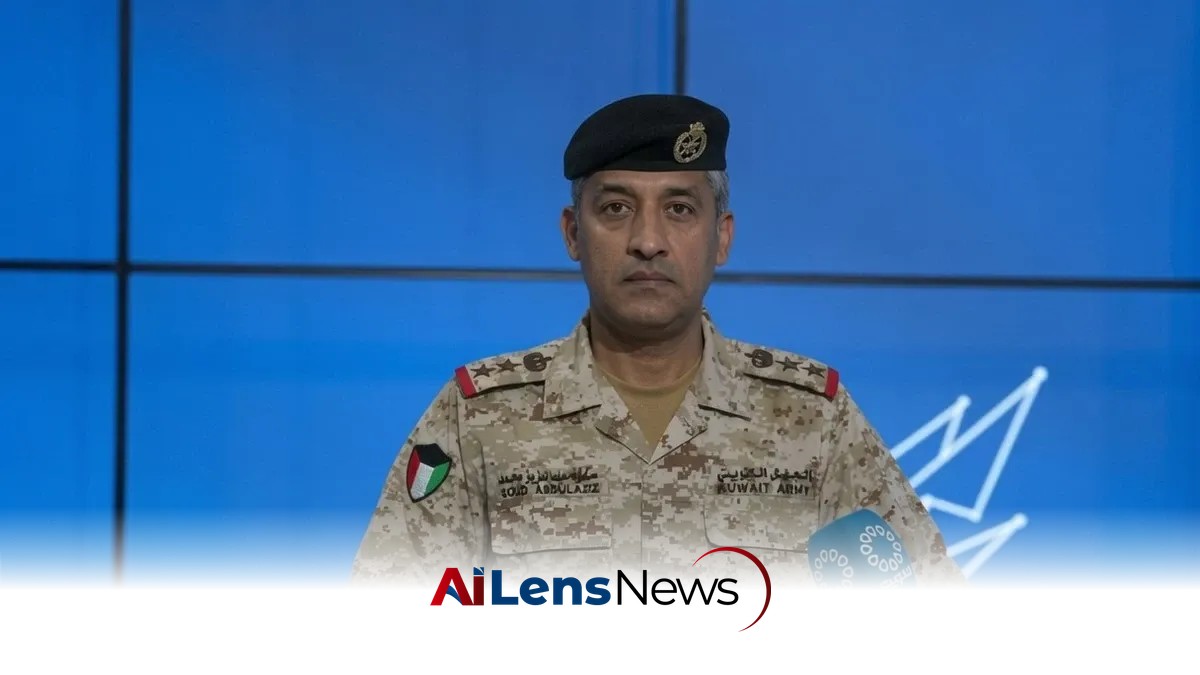


Kuwait's Ministry of Defense reports successful interception of missiles and drones, citing ongoing Iranian aggression targeting vital infrastructure.
Kuwait City, Kuwait Jul 20, 2026 ALN: Kuwait’s Ministry of Defense announced that the Armed Forces detected and intercepted hostile ballistic missiles and drones entering Kuwaiti airspace early Sunday. This incident highlights the ongoing tensions in the region, particularly concerning the activities of Iran and its perceived threats to neighboring countries.
In Statement No. 77, the ministry stated that the threats were successfully dealt with as part of ongoing defensive operations. The interception of these missiles and drones is a significant achievement for Kuwait’s military capabilities, reflecting their preparedness and advanced technological systems designed to protect the nation from aerial threats. The importance of such operations cannot be overstated, as they not only safeguard the immediate safety of Kuwaiti citizens but also serve as a deterrent to future aggressions.
The ministry added that what it described as “heinous Iranian aggression” continues to target civilian and vital installations in Kuwait. This assertion underscores the heightened concerns in Kuwait regarding Iran's military posture and its implications for regional security. The Iranian regime has been accused of employing various forms of asymmetric warfare, including missile strikes and drone attacks, against its neighbors, raising alarms in countries such as Kuwait, Saudi Arabia, and the United Arab Emirates. The evolving nature of these threats has prompted a reevaluation of defense strategies across the Gulf region, with nations increasingly focused on enhancing their military capabilities to counteract such aggressions.
In this particular incident, attacks reportedly struck facilities affiliated with the Ministry of Electricity, Water and Renewable Energy, causing fires and significant damage to several key facilities and infrastructure sites. The targeting of such critical infrastructure not only poses a direct threat to national security but also endangers the essential services that citizens rely on daily. It raises questions about the resilience of these infrastructures and the preparedness of the Kuwaiti government to respond to such threats. The implications of damaging critical infrastructure extend beyond immediate physical damage; they also affect public perception of government efficiency and the overall stability of the nation.
The Armed Forces reaffirmed their readiness to carry out their duties with the highest level of efficiency, stressing that all necessary measures are being taken to protect Kuwait’s sovereignty, security, and stability. This statement is particularly important as it reflects the military's commitment to maintaining peace and security within the nation amidst external threats. The Kuwaiti military has been modernizing its forces in recent years, focusing on enhancing its air defense systems and overall military readiness to respond to such aggressive actions. This modernization effort is not only a response to the current threats but also a proactive measure to ensure long-term national security.
The ministry indicated that military units are operating in coordination with relevant authorities to safeguard the safety of citizens and residents across the country. This collaborative approach is crucial in ensuring a comprehensive defense strategy that encompasses not only military responses but also civil defense measures to protect the population in case of further escalations. The integration of military and civil defense efforts is particularly important in a region characterized by volatility and uncertainty, as it enhances the overall resilience of the state.
The geopolitical landscape of the Middle East has been increasingly complex, with various state and non-state actors influencing regional dynamics. Iran’s activities, particularly its missile and drone capabilities, have been a focal point of concern for many Gulf states. The use of drones in warfare has become more prevalent, allowing for precision strikes that can inflict damage while minimizing the risk to the attacking forces. This shift in military strategy necessitates a reevaluation of defense tactics among nations in the region. Countries are now investing in advanced surveillance and interception technologies to counter the growing threat posed by drone warfare.
Furthermore, the interception of these missiles and drones serves as a reminder of the importance of international alliances and defense partnerships. Kuwait, as part of the Gulf Cooperation Council (GCC), has engaged in joint military exercises and collaborated with allies, including the United States, to enhance its defense capabilities. The presence of U.S. military forces in the region plays a crucial role in deterring potential aggressions from Iran and ensuring the security of Gulf nations. This partnership is vital not only for immediate security concerns but also for fostering long-term stability in the region.
This incident also raises broader implications for regional stability. The ongoing tensions between Iran and its neighbors have the potential to escalate into larger conflicts, which could destabilize the entire Gulf region. The international community has expressed concerns about Iran's missile program and its support for proxy groups in the region, which further complicates the security situation. The potential for miscalculation or unintended escalation is a constant threat, necessitating careful diplomatic engagement alongside military preparedness.
In response to these threats, Kuwait’s government may need to reassess its defense strategies and consider investing in advanced defense technologies, including missile defense systems, to enhance its deterrence capabilities. The need for robust defense measures is underscored by the fact that the region has witnessed a series of attacks on oil facilities, shipping lanes, and infrastructure, which could have severe economic implications. Ensuring the security of these critical assets is essential not only for Kuwait but also for the global economy, given the strategic importance of Gulf oil supplies.
As Kuwait continues to navigate these challenges, the government's communication with the public regarding security measures and potential threats will be crucial. Transparency in addressing these issues can help maintain public confidence in the government's ability to protect its citizens and infrastructure. Public awareness campaigns and community engagement initiatives could play a significant role in fostering a sense of security among the population, thereby contributing to national cohesion during times of crisis.
In conclusion, the successful interception of ballistic missiles and drones by Kuwait’s Armed Forces is a testament to the nation's military preparedness and response capabilities. However, the underlying tensions with Iran and the potential for further hostilities necessitate a continuous evaluation of defense strategies and international collaborations to ensure the long-term security and stability of Kuwait and the broader Gulf region. As the situation evolves, it will be critical for Kuwait to remain vigilant, adaptive, and proactive in its defense posture, while also pursuing diplomatic avenues to mitigate tensions and foster regional cooperation.
To learn more about the latest developments in World News & International Affairs, stay updated with our exclusive reports and analyses on AiLensNews.

