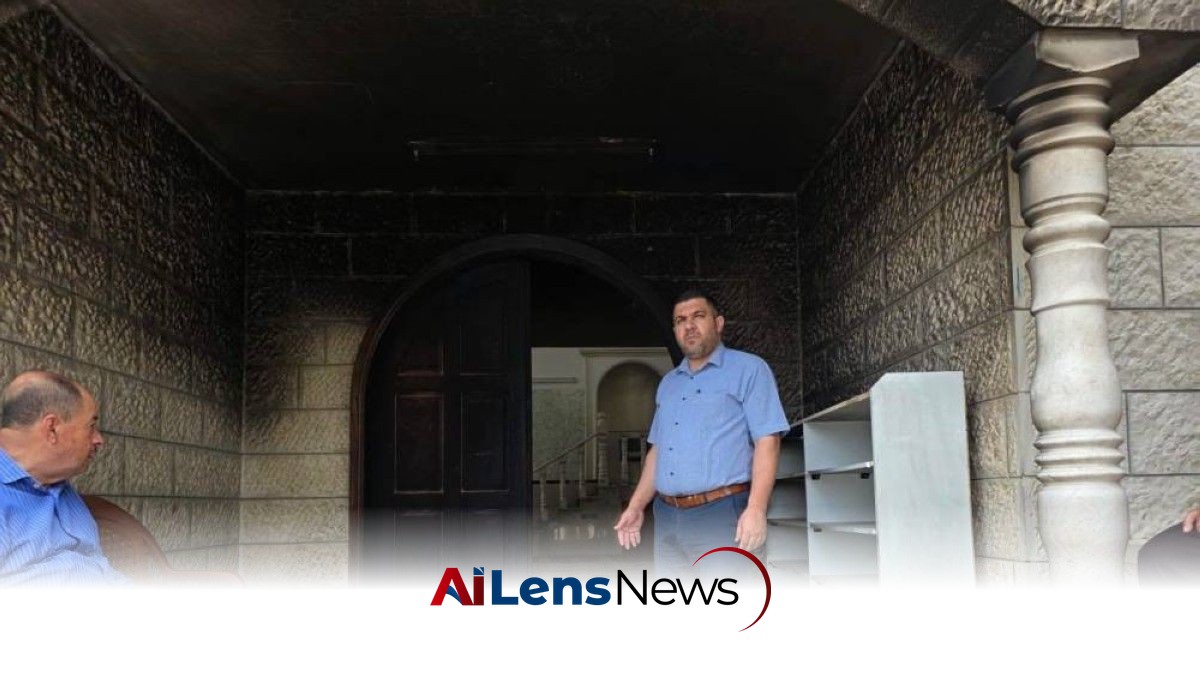


Israeli settlers have torched two mosques and a Palestinian home in the West Bank, escalating tensions and drawing condemnation from Palestinian authorities.
Kuwait City, Kuwait Jul 26, 2026 ALN: Israeli occupation settlers set fire early Sunday to two mosques, one of them under construction, and a Palestinian home in the occupied West Bank as attacks against Palestinians continue to escalate, an act condemned by Palestinian authorities.
Palestinian local sources reported that settlers torched a mosque under construction in the town of Qusra, located south of Nablus, causing significant material damage to the building. In the village of Kour, south of Tulkarm, settlers set fire to the village mosque and sprayed racist graffiti on its walls, leaving parts of the building burned. These incidents are part of a broader pattern of violence that has been increasingly evident in the region, raising concerns among local and international observers.
The Palestinian Ministry of Awqaf and Religious Affairs strongly condemned the attacks, describing the targeting and burning of mosques as a systematic campaign against the Palestinian presence and religious rights carried out under the protection and tolerance of Israeli occupation forces. This statement reflects a growing frustration among Palestinian authorities regarding the perceived lack of accountability for such acts of violence. The ministry's condemnation underscores the sensitivity surrounding religious sites in the region, which are often seen as symbols of cultural and national identity for Palestinians.
According to ministry data, Kour mosque is the twelfth mosque to be targeted by Israeli occupation forces and settlers since the beginning of the year. This statistic highlights a worrying trend of attacks on places of worship, which not only have religious significance but also serve as community centers for Palestinians. The destruction of mosques can have profound implications for local communities, leading to a loss of communal spaces and further exacerbating tensions between Israeli settlers and Palestinian residents.
In the town of Beit Furik, east of Nablus, settlers also set fire to parts of a Palestinian home before the blaze was brought under control. They sprayed racist graffiti on its walls, calling for revenge against Arabs. Such acts of vandalism and violence contribute to an atmosphere of fear and insecurity among Palestinian communities, who often feel vulnerable to attacks without adequate protection from Israeli security forces.
The ongoing violence in the West Bank is not occurring in isolation. It is part of a larger context of Israeli-Palestinian relations that have been strained for decades. The Israeli occupation of Palestinian territories, which began in 1967, has led to numerous conflicts and a complex web of grievances on both sides. Settler violence has been a recurring issue, often exacerbated by political rhetoric and actions from both Israeli and Palestinian leaders.
Settlements in the West Bank, which are considered illegal under international law, have expanded over the years, leading to increased tensions between settlers and Palestinians. The presence of Israeli settlers in Palestinian territories often leads to confrontations, as settlers sometimes view their actions as part of a religious or nationalist duty, while Palestinians see them as an infringement on their rights and land.
Human rights organizations have documented numerous incidents of violence against Palestinians by settlers, including physical assaults, property damage, and harassment. These groups argue that the Israeli government has not done enough to protect Palestinian civilians from such violence, which often occurs in the presence of Israeli security forces who are criticized for their inaction.
The implications of these attacks extend beyond immediate physical damage. They contribute to a cycle of violence that can escalate into broader conflicts, impacting the prospects for peace in the region. The destruction of religious sites can inflame tensions, as these places are not only places of worship but also serve as symbols of identity and resilience for the Palestinian people.
International reactions to such incidents vary. Some countries and organizations have condemned the violence, calling for accountability and protection for Palestinian communities. Others, however, may downplay the significance of these events, focusing instead on the broader context of the Israeli-Palestinian conflict, which often leads to polarized views on the issue.
The recent arson attacks have prompted calls for increased international attention to the situation in the West Bank. Advocates for Palestinian rights argue that the international community must take a more active role in addressing the violence and ensuring the protection of civilians, regardless of their nationality or religion. This includes holding those responsible for attacks accountable and promoting dialogue between the two sides to foster understanding and coexistence.
As the situation continues to evolve, it remains crucial for both local and international stakeholders to monitor developments in the West Bank closely. The cycle of violence and retaliation can have far-reaching consequences, not only for the immediate communities affected but also for the broader quest for peace and stability in the region. Understanding the underlying causes of such violence is essential for addressing the grievances of both Palestinians and Israelis, and for working towards a sustainable resolution to the conflict.
In conclusion, the recent attacks on mosques and homes in the West Bank are emblematic of the ongoing tensions and violence that characterize the Israeli-Palestinian conflict. These incidents not only reflect the challenges faced by Palestinian communities but also highlight the need for a concerted effort to address the root causes of the conflict and to promote a peaceful coexistence between Israelis and Palestinians. As the international community watches closely, the hope remains that dialogue and understanding can pave the way for a more peaceful future in the region.
To learn more about the latest developments in Crime & Law, stay updated with our exclusive reports and analyses on AiLensNews.

