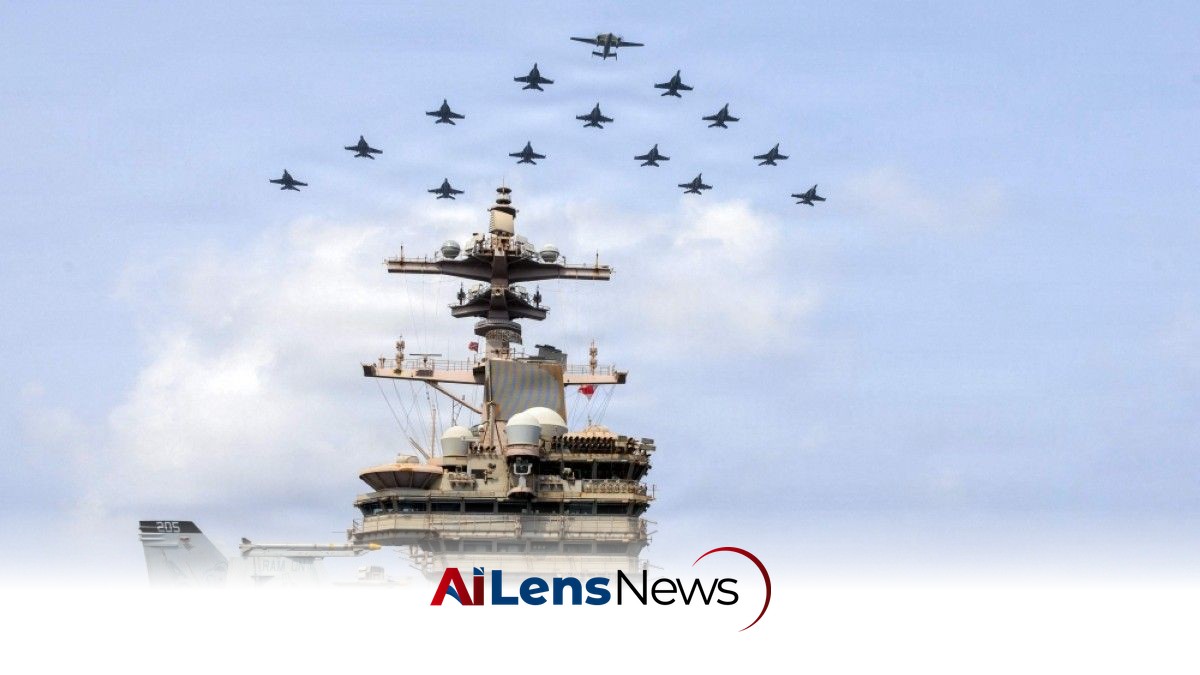


As the US intensifies military actions against Iran, Tehran responds with threats of energy export closures, declaring an 'existential war' with America.
Kuwait City, Kuwait Jul 16, 2026 ALN: TEHRAN/WASHINGTON: The ongoing conflict between Iran and the United States has reached a critical juncture, with both nations engaging in aggressive military actions in the strategically significant Strait of Hormuz. On Wednesday, the U.S. military conducted targeted strikes against Iranian coastal defenses and missile sites, following the reimposition of a naval blockade on Iranian ports. This escalation comes on the heels of Iran's declaration of an "existential war" against the United States, signaling a significant deterioration in relations and raising concerns over the potential for further conflict in the region.
The U.S. Central Command reported that the military operations began at 6 a.m. ET (1100 GMT), aimed at degrading Iran's military capabilities that have been employed to threaten commercial shipping in the Strait of Hormuz. This maritime corridor is critical for global energy supplies, as it carries approximately one-fifth of the world's oil and gas shipments. The recent strikes were described as part of a broader strategy to ensure the safety of international shipping lanes, which have been increasingly jeopardized by Iranian military actions.
According to U.S. officials, the strikes targeted coastal defense systems and cruise missile storage and launch sites on Greater Tunb Island, a strategic location in the Persian Gulf. The U.S. military indicated that the wave of strikes was completed within approximately 90 minutes, following an extensive seven-hour operation on Tuesday that reportedly hit dozens of military targets in Iranian coastal areas. This rapid escalation reflects a marked shift in U.S. military strategy, which has increasingly focused on direct engagements rather than mere deterrence.
In a swift response, Iran's Islamic Revolutionary Guard Corps (IRGC) claimed responsibility for retaliatory strikes against U.S. military targets in the region. Furthermore, Iranian officials issued stark warnings regarding the potential for broader disruptions to regional energy exports, suggesting that the U.S. should prepare for the closure of additional export corridors that serve American interests and those of its allies. This rhetoric underscores the heightened tensions and the potential for a wider conflict that could affect global energy markets.
Compounding the situation is the backdrop of a recent interim ceasefire agreement that was intended to pave the way for further negotiations, including discussions on Iran's nuclear program. However, these talks have stalled, with Iranian officials indicating that they currently have no plans to engage in negotiations. Esmaeil Baghaei, spokesperson for the Iranian Foreign Ministry, conveyed a focus on defense rather than diplomacy, reflecting the prevailing sentiment among Iranian leadership that national security must be prioritized amidst escalating hostilities. This shift in focus from diplomacy to defense illustrates the deepening rift between the two nations and the challenges that lie ahead for any potential negotiations.
Mohammad Bagher Ghalibaf, Iran's top negotiator and speaker of the parliament, articulated the Iranian stance, stating that if the country does not derive benefits from its agreements with the U.S., it sees no reason to adhere to them. He emphasized that while Iran has historically preferred diplomatic solutions, it must remain prepared to defend its interests vigorously. Ghalibaf's comments highlight the dual approach that Iran is attempting to navigate, balancing the need for defense with the potential for future negotiations. This duality in strategy indicates a complex interplay of military readiness and diplomatic overtures that could evolve depending on future developments.
The conflict has intensified significantly since Iran's recent announcement regarding the closure of the Strait of Hormuz, a move that the U.S. has condemned. The U.S. has accused Iran of attacking multiple commercial vessels in the past week, resulting in casualties among crew members. The situation is further complicated by U.S. President Donald Trump's recent threats to target Iranian infrastructure, including power plants and bridges, if Iran does not return to the negotiating table. Trump's rhetoric reflects a hardline stance that could provoke further escalation, as it signals a willingness to engage in more aggressive military actions should Iran continue its current trajectory.
The ramifications of this conflict extend beyond military engagements. The ongoing war has already resulted in significant humanitarian crises, with thousands of casualties and millions displaced, particularly in Iran and neighboring Lebanon. Iranian government spokesperson Fatemeh Mohajerani reported that recent U.S. strikes have led to civilian casualties, including at least 30 deaths in southern Iran. The toll on civilians underscores the broader implications of military actions in populated areas and raises concerns about potential violations of international humanitarian law. The international community has expressed alarm over the humanitarian situation, urging both parties to exercise restraint and prioritize the protection of civilians.
The geopolitical landscape surrounding the Strait of Hormuz is fraught with complexity, given its importance as a maritime chokepoint for oil transport. Any sustained military conflict in this region could have dire consequences for global oil prices and energy security. The U.S. and its allies have historically sought to maintain freedom of navigation in the strait, viewing Iranian actions as a direct threat to international trade and regional stability. The potential for a blockade or significant disruption in this critical shipping lane could lead to spikes in oil prices, affecting economies worldwide and potentially leading to broader economic repercussions.
As both nations continue to engage in military posturing, the international community watches closely, concerned about the potential for a wider conflict that could draw in other regional players and destabilize the already volatile Middle East. The situation remains fluid, with both sides appearing entrenched in their positions, leaving little room for immediate diplomatic resolution. The coming days and weeks will be critical in determining whether the conflict will escalate further or whether there will be an opportunity for dialogue to resume in pursuit of a more stable and peaceful resolution. The role of international mediators and regional allies will be crucial in shaping the trajectory of this conflict, as the stakes continue to rise for all parties involved.
To learn more about the latest developments in World News & International Affairs, stay updated with our exclusive reports and analyses on AiLensNews.

